



The Joy of a Rainy-Day Harvest
Gardening during the Indian monsoon might seem counterintuitive. With heavy downpours and overcast skies, you'd think plants would struggle. But the opposite is often true. The rainy season offers a natural, consistent water supply, cooler temperatures,
and high humidity that many of our favourite Indian vegetables absolutely love. The key is choosing the right plants and ensuring proper drainage to prevent waterlogging. A small garden on your terrace, balcony, or windowsill not only provides you with fresh, pesticide-free produce but also serves as a rewarding, therapeutic activity. Forget the woes of wilted market greens; this is your chance to taste vegetables at their absolute peak.
Lady's Finger (Bhindi)
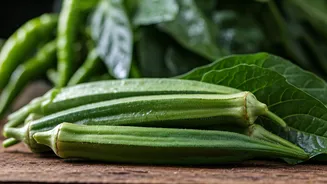
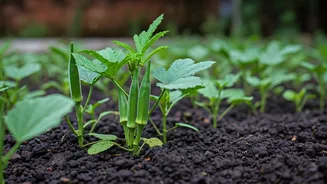
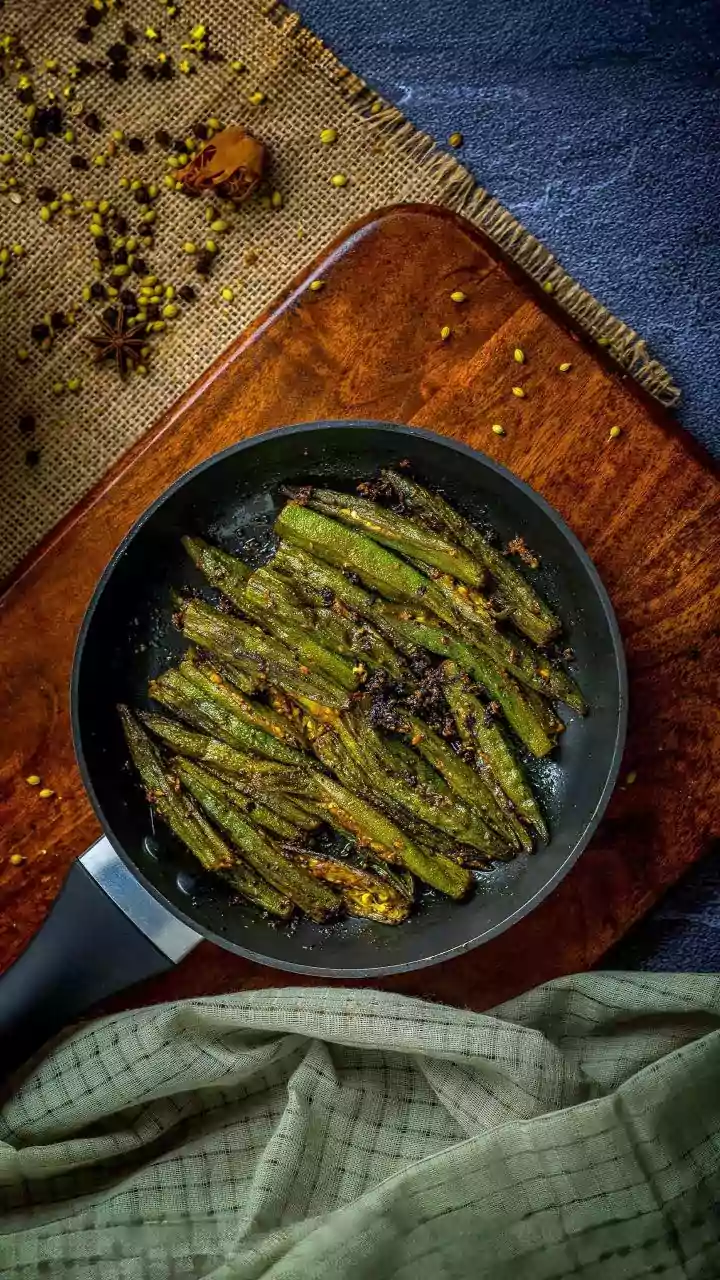
No monsoon vegetable list is complete without Bhindi. This hardy plant is a staple in Indian cuisine and, luckily, one of the easiest to grow at home. It loves the warm, humid conditions of the rainy season. Plant the seeds directly in a pot or a raised bed with well-draining soil. A mix of cocopeat, compost, and garden soil works wonders. Bhindi plants need about 5-6 hours of sunlight, so place them in your sunniest spot. You'll see beautiful yellow flowers bloom in about 45 days, which will soon turn into tender okra. The secret is to harvest them when they are still young and tender (about 3-4 inches long) for the best flavour and texture.
Bottle Gourd (Lauki)
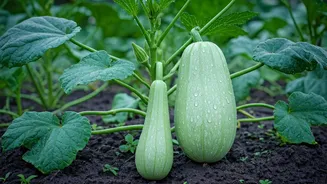
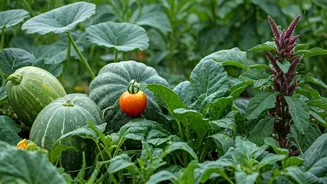
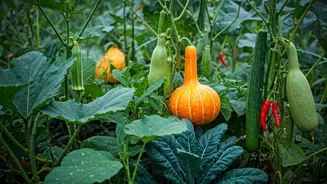
Lauki is a prolific vine that thrives during the monsoon. Its cooling properties make it a seasonal favourite, and growing your own is incredibly satisfying. Because it's a climber, it’s perfect for homes with vertical space. You can train it up a trellis, a fence, or even strings running up a wall. Sow 2-3 seeds in a large container (at least 12-15 inches deep) to give the roots ample space. Ensure the pot has plenty of drainage holes. Lauki vines are thirsty and grow fast, but the monsoon rains will handle most of the watering. Just be prepared for an abundant harvest; one healthy vine can produce numerous gourds throughout the season.
Brinjal (Baingan)
From bharta to bagara baingan, this versatile vegetable is a kitchen hero. Growing brinjal during the monsoon is a great choice as the plant enjoys the warmth and moisture. You can grow them from seeds, but for beginners, picking up a few saplings from a local nursery is a much easier start. Plant them in medium-sized pots with rich, well-draining soil. One common issue during the monsoon is pests, so regularly check the underside of leaves for any insects. A simple neem oil spray can act as a natural deterrent. With regular care and adequate sunlight, you’ll soon be harvesting glossy, purple brinjals right from your home.
Green Chillies (Hari Mirch)
A dash of spice is essential in almost every Indian dish, and what’s better than having an endless supply of fresh green chillies? Chilli plants are compact, resilient, and perfectly suited for container gardening on a balcony. They don't demand much space but do require at least 4-5 hours of sunlight. The monsoon provides the ideal moist environment for them to flourish. You can easily grow them from the seeds of a dried red chilli from your own kitchen spice box! Just ensure the pot has good drainage, as they don't like 'wet feet'. Once the plant starts producing, you can keep harvesting for months.
Spinach (Palak)
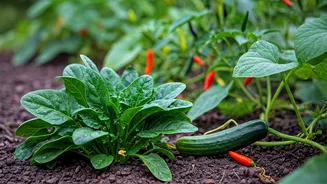
If you want quick results, look no further than spinach. This leafy green grows incredibly fast and you can get your first harvest in just over a month. Palak doesn't require deep pots, making it perfect for shallow trays or window boxes. The key to growing spinach in the monsoon is to protect it from torrential downpours, which can damage the tender leaves, and to ensure excellent drainage to prevent root rot. A partially shaded spot is often better than one with direct, harsh sunlight. You can harvest the outer leaves as needed, and the plant will continue to produce fresh ones from the centre, giving you a continuous supply for your dals and sabzis.