
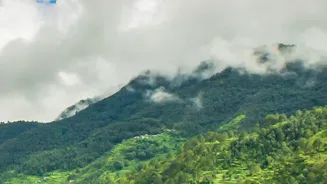

Embracing the Emerald Season
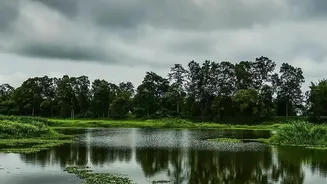
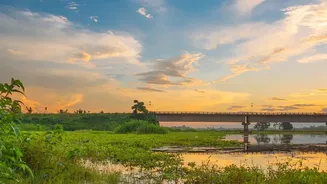
The monsoon breathes new life into Assam. The season, running from June to September, washes away the dust and heat of summer, unveiling a world that is intensely green and full of life. The air smells of wet earth and fresh leaves, and a mystical mist
clings to the hills and valleys, creating dreamlike landscapes. This isn't a time of hurried, harsh rain; it's a season of gentle, persistent showers that soften the world, encouraging a slower, more soulful pace of travel. From the rustle of bamboo groves to the chorus of birdsong after a shower, the entire state feels rhythmically alive.
The Magic of Monsoon Tea Gardens
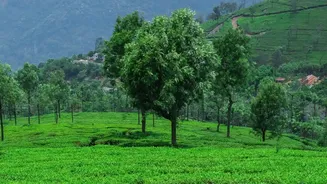
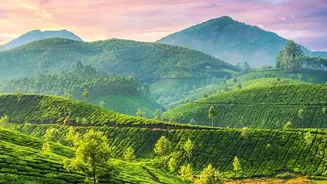
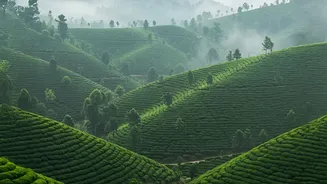
Assam's tea gardens, famous worldwide, are never more beautiful than during the monsoon. Sprawling estates around Jorhat and Dibrugarh become vast carpets of glistening, emerald-green leaves. The rain enhances the earthy aroma of the tea plants, creating a deeply sensory experience. While the quality of tea harvested during the heavy monsoon is different from the celebrated first and second flushes, the visual splendour is unparalleled. Many heritage tea bungalows offer stays where you can wake up to views of rain-swept gardens, watch workers pluck leaves with incredible skill, and sip a fresh brew while the mist rolls in.
The Mighty, Moody Brahmaputra
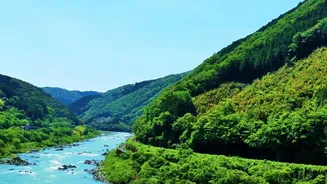
The Brahmaputra River, the lifeline of Assam, is a powerful and majestic sight during the monsoon. Swelled by rain and snowmelt, the river asserts its dominance over the landscape. While this power brings the risk of annual floods, which travellers must be mindful of, it also showcases nature's raw force. In areas that are safe and accessible, a river cruise or even a simple walk along the riverfront in cities like Guwahati offers a profound experience. Watching the mist-shrouded river flow, with traditional boats navigating its currents, is a quintessential monsoon memory.
Wildlife and Misty Hills
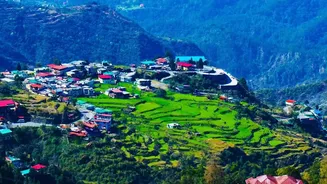
A crucial point for visitors is that major wildlife sanctuaries like Kaziranga National Park and Manas National Park are typically closed to tourists from around June to October. This is due to flooding, which makes safari routes inaccessible and allows the ecosystem to regenerate. However, the monsoon still offers unique wildlife experiences. Parks like Dibru-Saikhowa, a wetland haven, can be explored by boat, offering sightings of migratory birds. For a different perspective, head to Haflong, Assam's only hill station. During the monsoon, it becomes a misty wonderland of cascading waterfalls and lush hills, perfect for trekking and enjoying the serene atmosphere.
A Time of Faith and Festivals
The monsoon season also coincides with one of the most significant spiritual gatherings in India, the Ambubachi Mela. Held annually in June at the Kamakhya Temple in Guwahati, the festival celebrates the menstruation of the goddess, symbolising the earth's fertility. It draws thousands of devotees and tantrics, transforming the temple complex into a vibrant spectacle of faith. Experiencing this festival offers a deep dive into the region's spiritual and cultural fabric, which is intrinsically linked to the life-giving cycles of nature celebrated by the monsoon.
A Practical Guide to Monsoon Travel
Travelling in Assam during the monsoon requires some planning. Flooding is a serious annual reality, so it's essential to monitor weather forecasts and local news, especially for road conditions and river levels. Pack lightweight, quick-drying clothes, a reliable raincoat, and sturdy waterproof footwear. Mosquito repellent is a must. While some areas might be inaccessible, the rewards are fewer crowds, off-season discounts, and the chance to see Assam in its most beautiful and authentic state. Keep your itinerary flexible and embrace the journey.