




Why Bin Placement Is a Game-Changer
In classic kitchen design, the “work triangle” connects the sink, stove, and refrigerator to maximize efficiency. However, modern cooking generates a significant amount of waste, from vegetable peels to packaging, making waste management a crucial fourth
element. When your bins are awkwardly placed, you’re forced to interrupt your flow, carry dripping scraps across the floor, and create unnecessary mess. An accessible bin system, on the other hand, allows you to dispose of waste in one smooth motion, keeping your counters clear and your mind focused on the task at hand. This isn't just about tidiness; it's about creating a seamless, less stressful cooking environment where every action is efficient.
The Prep Zone: Your First Line of Defense
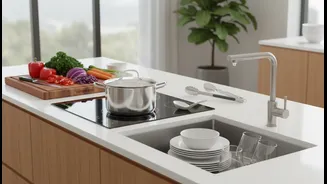
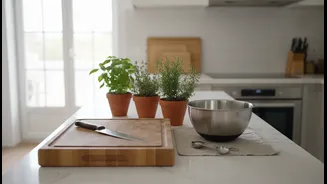
The vast majority of kitchen waste is created during food preparation. Peeling vegetables, trimming meat, and opening packages all happen here. Therefore, the most logical place for your primary waste and compost bins is within arm's reach of your main prep area, which is typically the counter space next to the sink. Countertop compost caddies are excellent for collecting food scraps as you chop, preventing a pile-up on your cutting board. For a more integrated solution, consider a pull-out cabinet with separate compartments for trash and recycling. These systems keep waste completely hidden but glide out smoothly when needed, maintaining a clean aesthetic.
The Cooking Zone: Handling Waste Mid-Flow
While you're actively cooking at the stove, you still generate waste—think empty spice jars, eggshells, and packaging. Taking several steps to a far-off bin can disrupt your cooking rhythm, especially when you're managing multiple pots and pans. If your primary bin system is far from your cooktop, a small, secondary bin can be incredibly helpful. A simple hanging bin on a nearby cabinet door or a small, freestanding can with a foot pedal allows for quick disposals without leaving your station. This ensures your focus remains on the food, preventing spills or overcooking while you deal with trash.
The Cleanup Zone: Making the Final Step Effortless
After a meal, the last thing anyone wants is a complicated cleanup process. Scraping plates before loading the dishwasher becomes a messy chore if the bin isn't nearby. The ideal placement for this phase is near the sink and dishwasher. If your main pull-out system is located here, you’re already set. If not, this is another scenario where a small, moveable compost caddy proves its worth. You can place it next to the sink while you rinse and load, then store it away. This simple step streamlines the end-of-meal routine and helps ensure food scraps are properly composted instead of being washed down the drain.
Choosing the Right Tools for the Job
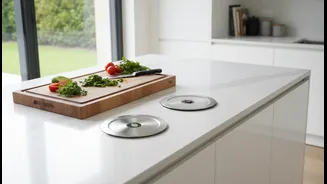
Modern waste solutions are designed for convenience and hygiene. Pull-out systems often come with dual compartments for easy sorting of trash and recyclables. Many countertop compost bins are designed to be stylish and feature charcoal filters to control odors. For an even sleeker look, some kitchens incorporate recessed countertop bins with a lid, allowing you to sweep scraps directly into an under-counter container. Hands-free options, like cabinets that open with a push from your knee or foot, are another great feature, especially when your hands are full or messy. Ultimately, the best system is one that fits your space and daily habits.