





The Problem with Diesel in the Hills
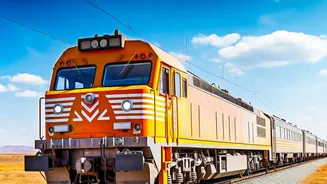
For decades, the familiar chug of diesel engines has echoed through the valleys of the Darjeeling Himalayas, the Kalka-Shimla route, and the Nilgiri Mountains. While iconic, these locomotives come at a significant environmental cost. Diesel combustion
releases harmful pollutants, including particulate matter (soot), nitrogen oxides, and sulphur oxides. In the pristine and sensitive ecosystems of the mountains, these emissions do more than just cloud the air. They contribute to acid rain, which can damage forests and soil, and the black soot that settles on glaciers can accelerate melting. The constant noise and vibrations from these heavy engines also disrupt wildlife. Furthermore, the very geography that makes these lines so breathtaking—with sharp curves and steep gradients—makes electrification difficult and visually intrusive, as it would require extensive poles and overhead wires that mar the natural beauty.
Enter Hydrogen: A Clean Alternative
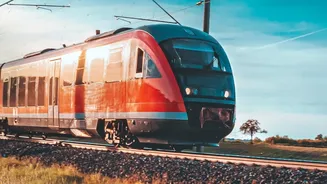
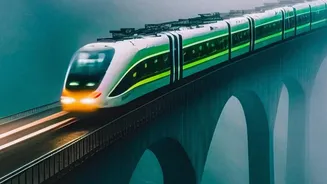
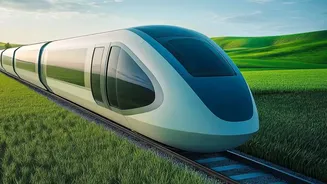
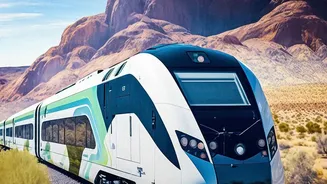
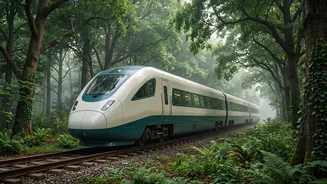
Indian Railways' solution is the 'Hydrogen for Heritage' initiative, a forward-thinking project to run 35 hydrogen-powered trains on these iconic routes. So, how does it work? Instead of burning fuel, a hydrogen train uses a fuel cell. Inside this cell, hydrogen stored safely in onboard tanks reacts with oxygen taken from the air. This electrochemical reaction generates electricity to power the train's motors. The most remarkable part is the byproduct: the only emission from the tailpipe is clean, breathable water vapour. This means no soot, no smog-forming gases, and a significant reduction in noise, as the trains are powered by quiet electric motors.
Zero Emissions for Cleaner Air and Water
The most immediate and impactful benefit of switching to hydrogen is the complete elimination of trackside pollutants. This is a game-changer for the fragile Himalayan and Nilgiri environments. With zero carbon emissions, these new trains will help preserve the crisp mountain air that draws tourists from around the world. By removing the source of sulphur and nitrogen oxides, the risk of acid rain damaging the region's unique flora is greatly reduced. It also protects the purity of the countless streams and rivers that originate in these mountains, which are vital water sources for communities downstream. This move aligns with India's broader goal of achieving Net Zero Carbon Emitter status for its railways by 2030.
Preserving a UNESCO World Heritage Legacy
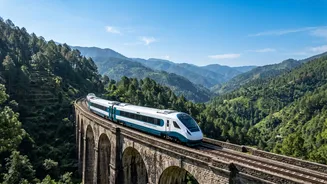
Several of India's mountain railways, including the Kalka-Shimla, Darjeeling Himalayan, and Nilgiri Mountain Railways, are collectively designated as a UNESCO World Heritage Site. This status comes with a responsibility to preserve not only the tracks and trains but also their surrounding environment. In the past, UNESCO has raised concerns about environmental threats, illegal encroachments, and the need for better conservation of these railway lines. The introduction of non-polluting hydrogen trains is a powerful statement of commitment. It shows that modernization can go hand-in-hand with preservation, ensuring these historic lines can be enjoyed by future generations without compromising the ecological integrity of their settings. The project helps protect the 'outstanding universal value' that earned these railways their prestigious global recognition.
The Road Ahead for 'Hydrogen for Heritage'
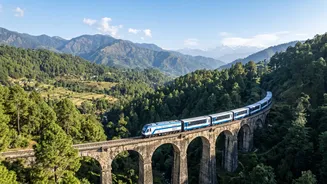
The transition is already underway. Indian Railways has been testing a prototype, retrofitting an existing Diesel Electric Multiple Unit (DEMU) to run on a hydrogen fuel cell, with trials taking place on the Jind-Sonipat section of Northern Railway. The 'Hydrogen for Heritage' plan includes deploying trains on eight key routes, including Matheran Hill Railway, Kangra Valley, and Marwar-Goram Ghat, alongside the famous UNESCO lines. While the initial costs for the trains and the ground infrastructure for hydrogen production and refuelling are high, the long-term benefits are immense. This initiative not only reduces fossil fuel dependency but also positions India as a leader in green transportation technology, boosting the National Green Hydrogen Mission.