





The Rise of the Meticulous Traveller
Recent industry reports, including Skyscanner's 'India Culture Travel Index', highlight a major evolution in how we approach travel. A growing majority of Indian travellers are now planning trips specifically around cultural experiences like heritage
sites, festivals, and culinary exploration. According to the data, a remarkable 84% of Indian travellers say their interest in domestic cultural travel has surged, moving away from simple sightseeing towards more immersive experiences. This desire for more meaningful journeys is a key reason why advance planning is becoming essential. To guarantee a spot at a popular festival or a tour of a historic landmark, booking ahead is no longer just an option; it's a necessity.
Why Planning Ahead Is the New Spontaneity
Several factors are driving this trend. After years of travel uncertainty, people are seeking control and security over their holiday plans. Locking in flights and accommodation provides a sense of certainty and something to look forward to, which studies show can boost happiness and well-being long before the trip begins. Economics also play a huge role. With rising travel costs being a primary concern for many, planning ahead is a proven strategy to manage budgets effectively. Booking flights and hotels six months or more in advance can lead to significant savings and access to early bird deals that disappear closer to the travel date. This foresight allows travellers to spread out costs and save up for special experiences, turning a standard trip into a memorable one.
The Tangible Benefits of Early Booking
The perks of being an early planner extend beyond just saving money. One of the biggest advantages is choice. When you book well in advance, you get the first pick of everything, from the best-located hotels and unique homestays to prime tour slots and coveted restaurant reservations. This is especially critical for 'once-in-a-year' experiences, like attending a major cultural festival, where availability is inherently limited. Furthermore, advance planning reduces the stress associated with last-minute scrambles. Instead of spending precious vacation time debating what to do next, a well-researched itinerary allows you to relax and immerse yourself in the moment. You'll have more time to learn about your destination, from its history and customs to a few phrases in the local language, making the experience richer and more rewarding.
How to Master the Art of Advance Planning
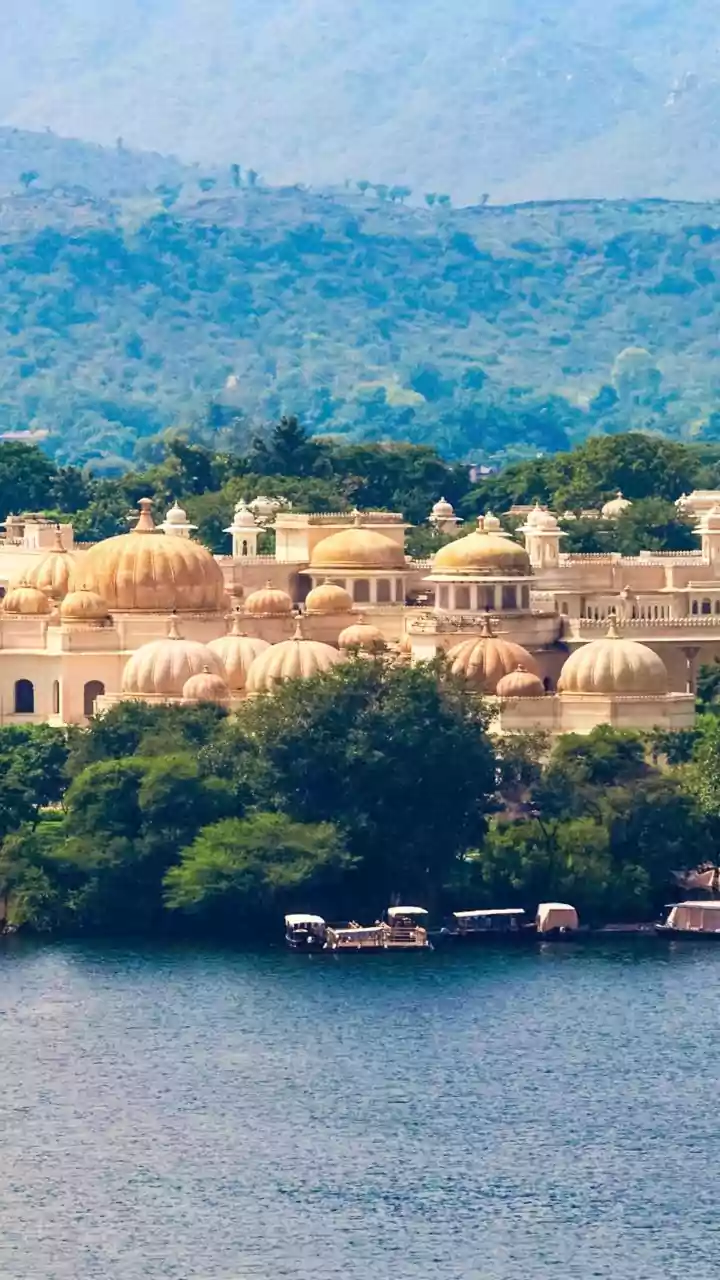
Embracing advance planning doesn't mean your trip has to be rigid. The key is to build a framework, not a minute-by-minute schedule. Start by identifying the primary cultural driver of your trip—be it a heritage trail in Rajasthan, a food tour in Kerala, or a festival overseas. Book your non-negotiables first: flights and accommodation. These are often the biggest expenses and benefit most from early booking. Next, secure any must-do activities that are known to sell out, like tickets to a major museum or a specific guided tour. Leave the days in between flexible. This 'structured flexibility' approach gives you the best of both worlds: the security and savings of a planned trip, with ample room for spontaneous discoveries, like wandering into a local market or taking a recommendation from a new friend.