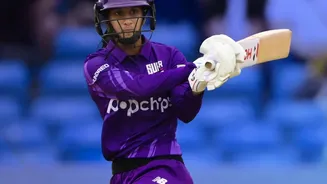









The Science of Focus
One of the primary reasons athletes chew gum is to enhance concentration. The simple, repetitive act of chewing increases blood flow to the brain. Studies have shown this can lead to heightened alertness and improved cognitive function. For a batsman
facing a fast bowler or a fielder waiting under a high catch, every split-second of added focus counts. The rhythmic motion helps keep the brain active and engaged, preventing mental fatigue during long spells on the field, especially in the drawn-out format of Test cricket. This isn't just a feeling; the increased blood flow delivers more oxygen to the brain, which helps maintain attention and mental clarity.
A Tool for Calming Nerves
Cricket is a game of immense pressure. Chewing gum can be a surprisingly effective tool for stress management. The repetitive physical action can have a calming effect, helping to regulate breathing and lower levels of cortisol, the body's primary stress hormone. In high-stakes situations, like a tense run chase or the fall of a key wicket, this can be invaluable. Indian batsman Suryakumar Yadav famously mentioned that he starts chewing his gum harder to handle the pressure, especially after a partner gets out. This physical outlet helps to channel nervous energy, allowing the player to stay composed and make clearer decisions when it matters most.
Combating Dry Mouth
Spending hours under the hot sun inevitably leads to dehydration and a dry mouth, which can be distracting and uncomfortable. Chewing gum provides a simple solution by stimulating saliva production. Increased saliva helps keep the mouth moist, providing a degree of comfort and hydration between drinks breaks. This is more than a minor convenience; a dry mouth can be a significant distraction that impacts a player's ability to focus entirely on the game. For players who spend entire days on the field, managing this basic physical need is a crucial part of maintaining performance levels from the first ball to the last.
Faster Reactions and Alertness
Some research suggests that the act of chewing can lead to slight improvements in reaction time. The theory is that the movement stimulates nerves and keeps the brain cortex more alert, which can shorten the body's response time. For a player like Suryakumar Yadav, known for his innovative, 360-degree batting, or a legendary slip fielder like Ricky Ponting, quicker reactions are a massive advantage. While the effect may be marginal, in a sport where a fraction of a second can be the difference between a boundary and a dismissal, players will take every edge they can get. This heightened state of arousal can make the difference in a quick single or a diving catch.
The Power of Ritual and Swag
Beyond the science, for many players, chewing gum is simply part of their pre-game or on-field ritual. It’s a habit that helps them get into the right mindset to compete. The tradition was famously popularised by West Indian legend Sir Vivian Richards, whose confident, gum-chewing swagger became iconic. For many who followed, including Australia's Ricky Ponting, it became an unmistakable part of their on-field persona. This psychological anchor can provide a sense of normalcy and control amidst the chaos of a professional cricket match. It's a small, consistent action that signals to the brain that it's time to perform.