



Every December, the hills of Nagaland come alive with a rhythm that is ancient yet vibrant. The Hornbill Festival is more than an event; it's a brilliant display of culture that makes the state a must-visit winter destination.
The 'Festival of Festivals'
Aptly called the 'Festival
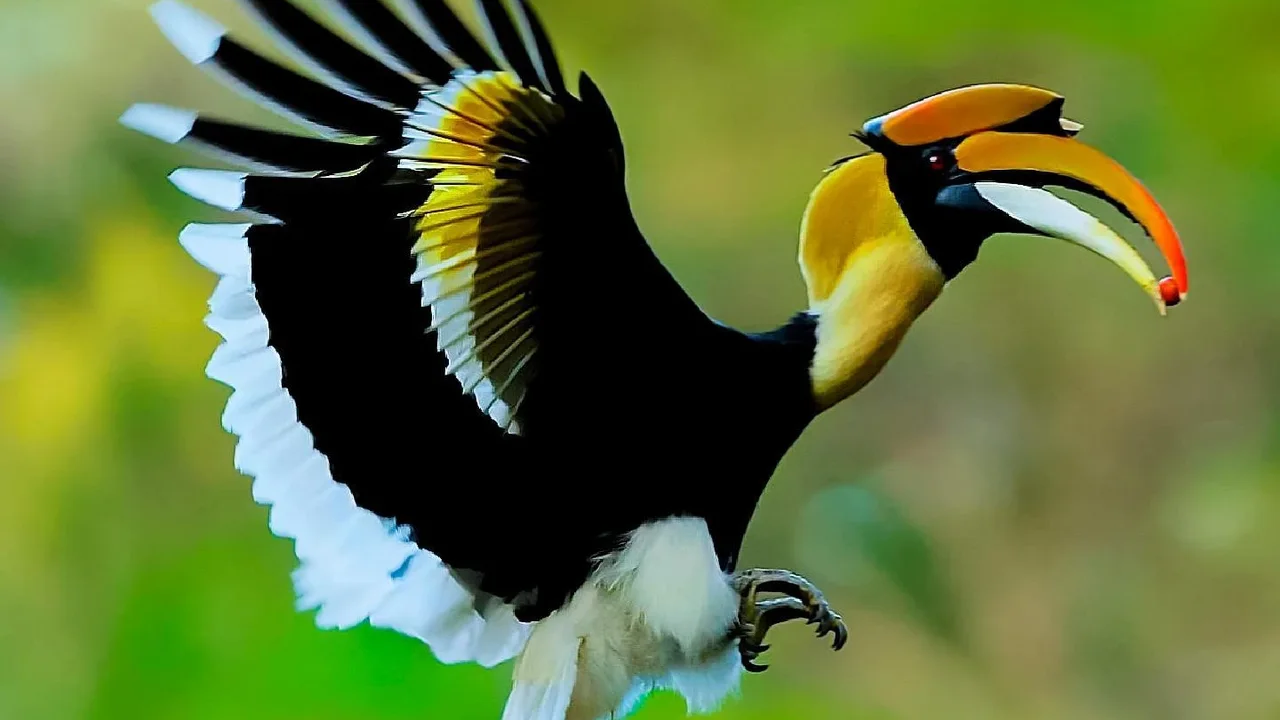
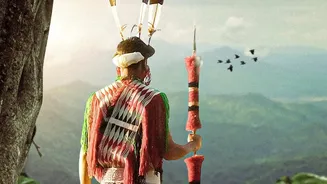
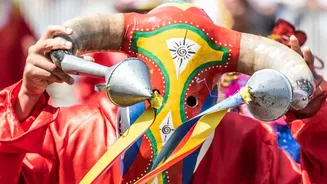
of Festivals', the Hornbill Festival is Nagaland's biggest annual cultural event, taking place from December 1st to 10th. Conceptualised in 2000 by the state government, its aim was to create a single platform to showcase the rich, diverse heritage of all Naga tribes and encourage inter-tribal interaction. It is held at the Naga Heritage Village in Kisama, about 12 kilometres from the capital, Kohima. This purpose-built venue brings together the traditions of the state's 16 major tribes, offering visitors an unparalleled opportunity to experience the soul of Nagaland in one place. The festival is named after the revered hornbill bird, a symbol of courage and honour that features prominently in the folklore and traditional attire of most Naga tribes.
A Kaleidoscope of Naga Culture
The heart of the festival is the main arena at Kisama, where a rolling programme of cultural performances runs daily. From around 10 AM, visitors can witness a spectacular showcase of tradition as different tribes perform war dances, harvest songs, and folk tales in their distinctive, colourful attire. The air fills with the sound of log drums, rhythmic chanting, and battle cries, creating a deeply immersive experience. Beyond the arena, the festival grounds are a living museum. Each tribe has its own morung, a traditional communal house or bachelor dormitory, built in its unique architectural style. Visitors can wander through these morungs, interact with elders in full regalia, see demonstrations of traditional weaving, and witness customs that have been passed down for generations.
More Than Just Performances
While dance and music are central, the Hornbill experience extends to every aspect of Naga life. Food is a major attraction, with stalls run by each tribe offering a chance to sample authentic Naga cuisine. Dishes like smoked pork with bamboo shoot, fermented soybean preparations (axone), and dishes flavoured with the fiery Naga king chilli (Raja Mircha) are festival staples. The festival also hosts a bustling crafts bazaar, where artisans from across the state sell handwoven shawls, intricate wood carvings, bamboo products, and tribal jewellery. For those interested in traditional sports, there are displays of Naga wrestling, a unique grip-and-throw style, alongside archery, and other indigenous games like climbing a greased bamboo pole.
A Blend of Tradition and Modernity
The Hornbill Festival masterfully bridges the ancient and the contemporary. As the sun sets on the cultural performances at Kisama, the energy shifts to Kohima for the Hornbill Music Festival. What was once the Hornbill International Rock Contest has evolved into a broader music festival that attracts bands and artists from across the country and beyond. This segment of the festival has become a major draw for younger audiences, showcasing everything from rock and pop to folk fusion. Events like the 'Ticket to Hornbill' band competition, with finals held in cities like New Delhi, build anticipation and connect Nagaland's creative scene to a national audience. This blend ensures the festival remains relevant and dynamic, celebrating living traditions while embracing new forms of expression.
The Perfect December Getaway
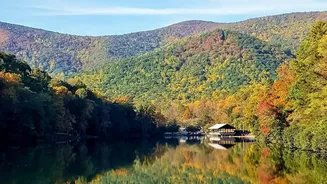
The timing of the Hornbill Festival is a key reason for Nagaland's popularity in December. The first week of the month coincides with pleasant, dry winter weather, with comfortable daytime temperatures perfect for exploring the festival grounds and surrounding areas. The festival itself provides a comprehensive cultural itinerary, making it easy for travellers to experience the best of the state. Beyond the festival, the season is ideal for other activities like trekking in the stunning Dzukou Valley, visiting the historic village of Khonoma, or paying respects at the Kohima War Cemetery. The festive atmosphere, combined with stunning landscapes and clear skies, makes Nagaland in early December a truly unique and compelling travel destination.