





Planning your year-end holiday travel is already a complex task, but 2026 is presenting a unique set of challenges. A combination of reduced airline capacity and persistent high demand means travellers may face fewer flight options and steeper prices.
Why Are Fewer Seats Available?
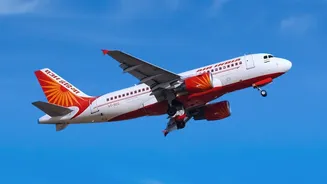
A primary factor is a noticeable reduction in airline capacity. According to aviation analytics, overall seat capacity in India for November 2026 was down 2.5% compared to the previous year, with domestic capacity shrinking by 3.3%. Several major airports, including Delhi, Mumbai, Bengaluru, and Hyderabad, have seen a year-on-year decline in available seats. This contraction is partly due to airlines scheduling fewer flights. For November and December, Indian carriers are expected to operate an average of 117 fewer domestic flights daily, a 3.5% year-on-year drop. While some airlines are using larger aircraft to compensate, the overall reduction in flights, particularly by major players like the Air India group, tightens the supply of available seats during the busiest travel season of the year.
The Economic Forces Driving Up Fares
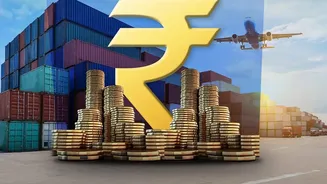
Several economic pressures are contributing to more expensive tickets. Aviation Turbine Fuel (ATF) remains a significant cost for Indian airlines, making up 40-50% of their operating expenses—nearly double the global average. This is largely due to high state-level taxes. Surging fuel costs, often linked to geopolitical conflicts, are quickly passed on to consumers. Furthermore, a weakening rupee can increase airlines' dollar-denominated costs, such as aircraft leases and maintenance, adding more upward pressure on fares. This environment of high operational costs, coupled with strong and resilient travel demand, creates a perfect storm for price hikes.
Sustained Demand Keeps Planes Full
Despite higher prices, the appetite for travel remains incredibly strong. Flight searches from India for December 2026 travel saw a massive week-on-week surge in October, indicating that many are still eager to take their year-end holidays. A 2026 survey revealed that 87% of Indians plan to go on holiday, significantly above the global average, with a strong preference for domestic travel. This sustained 'revenge travel' phenomenon means airlines can maintain high load factors—the percentage of seats filled on a flight. When planes are already nearly full, there is little incentive for carriers to offer discounts, keeping average fares elevated.
Strategy 1: Book Early and Be Decisive
The single most effective strategy in a high-demand market is to book as early as possible. For year-end holiday travel like Christmas and New Year's, the ideal booking window is often 16 to 20 weeks in advance. Prices tend to rise sharply in the final weeks leading up to departure. For example, fares for travel between December 28-31 have been reported to be double or triple those for dates just a week earlier. If your travel dates are fixed, waiting for a last-minute deal is a gamble that rarely pays off, especially on popular routes.
Strategy 2: Flexibility Is Your Best Friend
If you have flexibility, use it to your advantage. Shifting your travel dates by even a day or two can result in significant savings. Mid-week departures, such as on a Tuesday or Wednesday, are consistently cheaper than flying on a Friday or Sunday. Using a 'flexible dates' search function on booking portals can help you easily spot the price differences. Also, consider flying at off-peak hours, like early in the morning or late at night, which are often less expensive. Finally, look at alternative airports. If your destination city is served by more than one, a flight into a secondary airport could offer substantial savings.
Strategy 3: Let Technology Do the Work
Use modern tools to stay ahead of fare fluctuations. Set up price alerts for your desired routes on platforms like Google Flights or Skyscanner. These services will notify you when prices drop, allowing you to book at an opportune moment. Always compare fares across multiple booking sites before making a final decision, as prices for the same flight can vary. And when you search, consider using your browser's incognito or private mode. Some booking sites may use cookies to track your searches and potentially increase prices on routes you view repeatedly.