



The Problem with Popularity
For decades, places like Manali, Mussoorie, and Nainital have been the go-to destinations for a mountain getaway. However, their popularity has come at a cost. Today, these towns are often synonymous with overtourism—a situation where the sheer volume
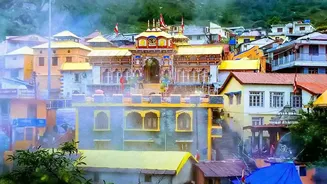
of visitors strains local infrastructure and degrades the very experience people come for. Social media is filled with images of kilometre-long traffic jams, overcrowded mall roads, and hotels booked to capacity. Beyond the inconvenience, this surge has severe environmental consequences. Unchecked tourism contributes to mounting garbage, with plastic waste choking fragile ecosystems. Water resources are stretched thin, sometimes leading to shortages for local residents while tourists have ample supply. This relentless pressure erodes the natural beauty and tranquility that made these places famous in the first place.
The Allure of the Unbeaten Path
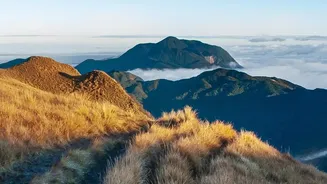
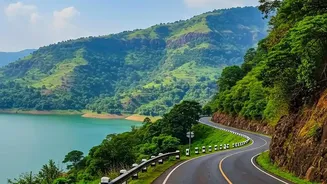
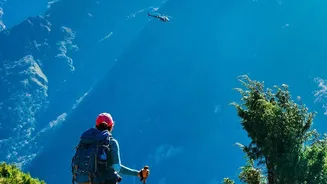
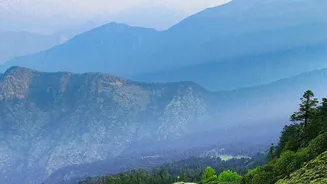
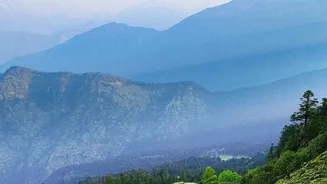
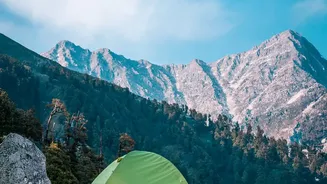
In response to the chaos of commercialised hill stations, travellers are now seeking something more genuine. They are venturing onto lesser-known trails in both Himachal and Uttarakhand, discovering a world away from the crowds. These quiet paths offer what the popular resorts have lost: peace, pristine nature, and a sense of solitude. Imagine walking through dense forests of oak and rhododendron, the only sounds being birdsong and your own footsteps. These trails lead to untouched alpine meadows, clear glacial streams, and panoramic views of Himalayan peaks without a single selfie stick in sight. This shift is not just about avoiding crowds, but about finding a deeper connection with nature and enjoying a more authentic cultural experience in remote villages.
A New Kind of Traveller
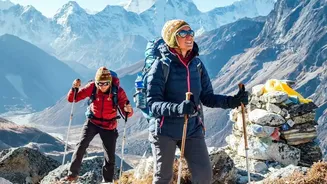
This trend is driven by a fundamental shift in the traveller's mindset. The modern nature lover is increasingly conscious of their environmental impact and seeks sustainable and responsible tourism options. They are trading the convenience of a resort for the rewarding experience of a homestay in a remote village, where hospitality feels personal, not professional. The focus is less on 'covering' attractions and more on 'experiencing' a place. This kind of travel prioritises mental well-being, offering a digital detox and a genuine escape from the stress of urban life. Government bodies and tourism operators are also starting to recognise this shift, promoting offbeat destinations to distribute tourist flow and support remote economies.
Where Serenity Can Be Found
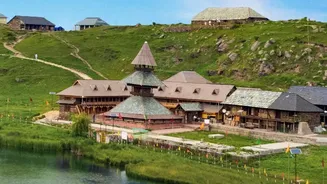
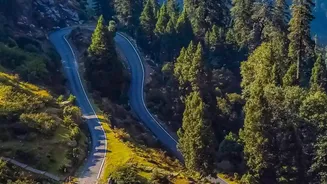
For those looking to make this switch, the options are plentiful. In Himachal Pradesh, the Tirthan Valley offers a tranquil escape with its riverside homestays and forest trails. The Miyar Valley, often called the 'Valley of Flowers of Himachal', is another remote gem perfect for those seeking solitude. In Uttarakhand, places like Chopta, the base for the Tungnath trek, provide stunning meadow landscapes and a profound sense of quiet. The Kumaon region, with trails around Munsiyari and the Ranthan Kharak trek, offers rugged beauty and an experience of the 'wild' Himalayas. Treks like Phulara Ridge and Dev Kyara are also gaining attention for offering spectacular scenery without the commercialisation of their more famous counterparts.