






What Exactly Is Zone 2?
Forget the 'no pain, no gain' mentality. Zone 2 training is all about moderate, sustainable effort. It's the second stage in a five-zone scale of exercise intensity, sitting at roughly 60-70% of your maximum heart rate. The easiest way to think about it is as 'conversational
cardio.' During a Zone 2 workout, you should be able to hold a full conversation without gasping for breath. If you can easily chat, you're in the zone. If you start to get breathless, you're pushing too hard. It’s the level of effort that feels comfortable and that you can maintain for a longer period, making it a perfect starting point for those new to exercise or looking for a sustainable routine.
The Engine Room: Why It Works for Desk Workers
The magic of Zone 2 lies in what it does for your cells, specifically your mitochondria. Think of mitochondria as the tiny power plants inside your cells. A sedentary lifestyle can make them less efficient. Zone 2 training, however, is the ideal intensity to stimulate the growth of new, healthy mitochondria. This process, known as mitochondrial biogenesis, is crucial for long-term health. More efficient mitochondria mean your body gets better at using fat for fuel instead of relying solely on carbohydrates. For a desk worker, whose metabolism may be sluggish from inactivity, this is a game-changer. It improves metabolic flexibility, which can help reduce the risk of insulin resistance and type 2 diabetes.
How to Find Your Zone
While the 'talk test' is the simplest guide, you can also use your heart rate for more precision. The most common formula is to estimate your maximum heart rate (MHR) by subtracting your age from 220. Your Zone 2 range is then 60% to 70% of that number. For example, for a 40-year-old, the estimated MHR is 180 beats per minute (bpm). Their Zone 2 would be between 108 and 126 bpm. Another simple estimation, popularized by Dr. Phil Maffetone, is the '180 Formula': subtract your age from 180 to find the top end of your aerobic training zone. While lab tests offer the most accuracy, these simple formulas and the talk test are more than enough to get you started.
Putting It Into Practice
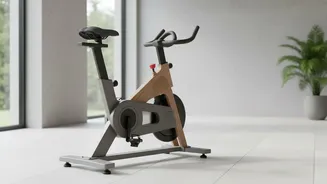
The beauty of Zone 2 is its accessibility. You don't need a fancy gym or complicated equipment. The key is controlled, steady movement, not speed. Excellent examples of Zone 2 activities include: brisk walking (covering a mile in about 15-20 minutes), light jogging, cycling on flat terrain, swimming at a relaxed pace, or using an elliptical or rowing machine. Many longevity experts, like Dr. Peter Attia, recommend aiming for three to four sessions of 45 to 60 minutes per week to reap the maximum benefits. This consistent, low-stress activity builds a robust aerobic base that supports all other physical activities and enhances overall health.
Building a Foundation, Not a Burnout
It's important to understand that Zone 2 is not a replacement for all other exercise. High-intensity interval training (HIIT) has its own benefits for building peak fitness (VO2 max). However, Zone 2 is the foundation. It builds the endurance and metabolic health that makes everything else easier and safer. Because it places less strain on your muscles and joints, the risk of injury is significantly lower, and recovery is quicker. You can do Zone 2 training more frequently without feeling worn down, making it the perfect antidote to a sedentary job and a sustainable pillar for lifelong wellness.