




The New Coffee Order
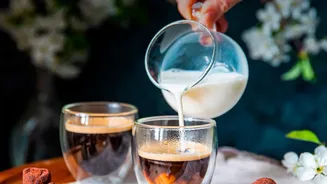
Walk into a bustling café in Bengaluru or Chennai today, and you will notice a change in the air. While the comforting aroma of traditional filter coffee still lingers, it now shares space with the complex notes of pour-overs, AeroPresses, and cold brews.
For decades, coffee in South India meant one of two things: a quick, convenient cup of instant, or the cherished ritual of a strong, milky filter coffee. But a growing number of young, urban consumers are now asking for more. They want to know where their coffee comes from, how it was processed, and the story behind the cup. This curiosity is driving the demand for specialty coffee, marking a significant evolution in the region's long-standing coffee culture.
What is Single-Origin Coffee, Anyway?
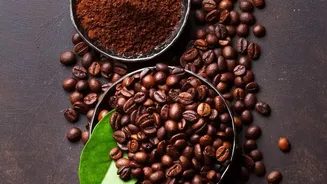
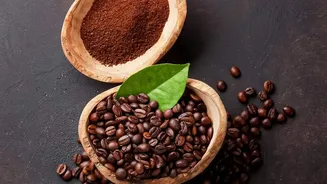
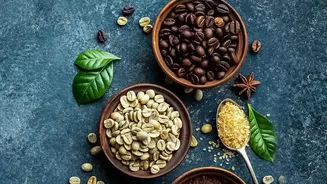
Unlike blends, which combine beans from various places to create a consistent flavour, single-origin coffee comes from a specific farm, estate, or region. Think of it like wine; the coffee's unique taste is a direct reflection of its 'terroir'—the soil, climate, and altitude where it was grown. This traceability is central to the appeal. Instead of a generic coffee flavour, you might taste the nutty, chocolatey notes of beans from Chikmagalur, the spiced finish from a Coorg estate, or the fruity brightness of coffee from the Araku Valley. This movement, often called the "third wave" of coffee, treats the beverage as an artisanal product, prioritizing quality and flavour over mass-market convenience.
Why the Shift is Happening Now
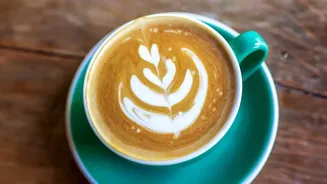
Several factors are fueling this trend. Rising disposable incomes and greater global exposure through travel and social media have made younger Indians more discerning consumers. They are increasingly willing to pay a premium for products that offer authenticity, quality, and a unique experience. Cafés have become the new 'third places'—somewhere between home and work—where people can socialize, work, and explore these new tastes. For many Gen Z and Millennial consumers, a cup of coffee is a form of self-expression and a lifestyle choice, not just a caffeine fix. The visual appeal of brewing methods and latte art also makes specialty coffee highly shareable on social media, further amplifying its popularity.
From Bean to Cup, a Local Story
This trend is not just about changing tastes; it's also about connecting with local heritage. For years, India's highest-quality coffee beans were primarily exported. Now, domestic roasters and cafés like Blue Tokai and Third Wave Coffee are making these exceptional beans available to Indian consumers. This creates a direct link between the coffee drinker in the city and the farmer in estates across Karnataka, Tamil Nadu, and Andhra Pradesh. By choosing single-origin, consumers are supporting local growers and gaining a deeper appreciation for India's status as one of the world's top coffee-producing nations. Many of these estates in the Western Ghats grow their coffee in the shade, often alongside spices like cardamom and pepper, which contributes to the beans' unique and complex flavour profiles.
More Choice, Not a Replacement
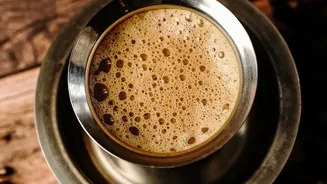
The rise of single-origin roasts doesn't spell the end for traditional filter coffee. Instead, it represents an expansion of choice. The classic filter kaapi, often made with a blend of coffee and chicory, is cherished for its bold, comforting flavour and remains a cultural cornerstone. Many specialty cafes now offer both, sometimes even creating single-origin filter coffee decoctions that blend modern curiosity with traditional preparation. The new coffee culture is about co-existence, where one can enjoy a nostalgic cup of filter coffee in the morning and explore a delicate, fruity pour-over in the afternoon. It reflects a consumer base that is both rooted in tradition and eager to experiment.