





Prep Your Vehicle for Wet Roads
Before you even think about packing, give your car a thorough check-up. The most critical components for monsoon driving are your tyres, wipers, and brakes. Ensure your tyres have adequate tread depth—at least 3 mm is advisable—to provide better grip
on slippery roads and prevent aquaplaning. Driving on under-inflated tyres is dangerous in any condition, but especially in the wet. Replace worn-out wiper blades to ensure clear visibility during a downpour. A quick test of your headlights, brake lights, and indicators is also essential for being seen by other drivers in low-visibility conditions. Finally, have your brakes checked to ensure they are responsive, as braking distances are significantly longer on wet surfaces.
Pack Smart, Not Just Light
Monsoon packing is an art. Prioritise synthetic, quick-dry clothing over cotton, which absorbs moisture and takes ages to dry. A lightweight, foldable raincoat and a sturdy, wind-resistant umbrella are non-negotiable. For footwear, choose waterproof sandals or boots with a good grip to navigate muddy and slippery paths. It’s also wise to pack an extra set of clothes in your day bag. To protect your valuables, use waterproof bags or even simple zip-seal plastic bags for your phone, wallet, documents, and chargers. A power bank is a lifesaver during unexpected delays or power cuts, which are common during heavy rains.
Prioritise Health and Hygiene
The rainy season often brings a spike in waterborne and mosquito-borne diseases. Be vigilant about your health. Carry a basic first-aid kit with essentials for minor injuries, fever, and indigestion. Insect repellent is a must to protect against mosquitoes that breed in stagnant water. When it comes to food and water, exercise caution. Avoid street food, especially items that may have been prepared with contaminated water. Stick to bottled or filtered water and opt for hot, freshly cooked meals from hygienic restaurants to minimise the risk of stomach infections.
Navigate Roads with Caution
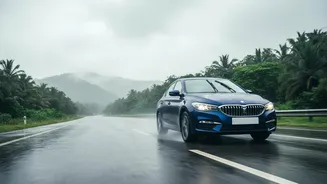
Driving in heavy rain requires your full attention. Reduce your speed significantly and double the usual following distance between your vehicle and the one ahead to account for longer braking distances. Always use your low-beam headlights during the day to increase your visibility to others. Be wary of waterlogged streets; if you can't gauge the depth of a puddle, it's safest to find an alternate route. Driving through deep water can cause your car to stall and lead to expensive engine damage. If visibility becomes extremely poor, it is safer to pull over to a safe location off the road and wait for the rain to subside.
Protect Your Gadgets from Moisture
Water is the enemy of electronics. To keep your phone, camera, and other gadgets safe, a multi-layered approach is best. Use waterproof cases or dry bags as your first line of defence. Even inexpensive zip-seal plastic bags can provide effective protection against splashes and downpours. When packing, place electronics inside these waterproof pouches before putting them in your main travel bag. Humidity can also cause damage through condensation, so consider packing a few silica gel packets in your electronics case to absorb excess moisture.
Have a Flexible Itinerary
Monsoon weather is famously unpredictable. Heavy rain can cause sudden landslides in hilly areas or flash floods that lead to road closures. Build buffer time into your travel schedule to accommodate potential delays. It's smart to have both an outdoor and an indoor plan for each day. If the rain is too intense for sightseeing, you can switch to visiting a museum, exploring a local cafe, or enjoying a cooking class. Before heading out, check local weather updates and road conditions to make informed decisions and avoid getting stranded.