

The 2026 Autumn Weather Outlook
This autumn presents a mixed but largely favourable picture for trekkers. While the monsoon's withdrawal from Nepal was delayed by about 12 days, it has now fully retreated as of October 14, heralding sunnier days ahead. In Himachal Pradesh, the monsoon was about 11%
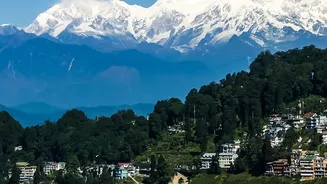
deficient, and while a weather system brought rain and high-altitude snow between October 6 and 11, conditions have since cleared in many areas. The Indian Meteorological Department (IMD) forecasts normal to above-normal rainfall for Himachal through December, with October temperatures also likely to be warmer than average. Overall, the classic post-monsoon conditions of crisp air, clear skies, and golden landscapes are taking hold, though trekkers must remain vigilant for isolated weather events and early snowfall at higher passes.
Trail Conditions in Uttarakhand
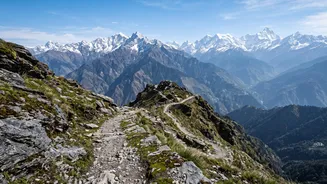
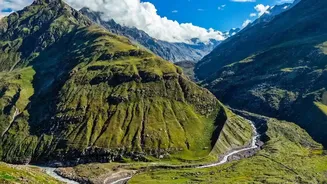
Uttarakhand's popular treks are in prime condition this October. Trails like Har Ki Dun, Kuari Pass, and Chopta-Chandrashila are reporting mostly sunny skies and comfortable walking temperatures. Trekkers currently on routes such as Dayara Bugyal and Surya Top are enjoying clear weather. The post-monsoon period is ideal for these mid-altitude 'Bugyal' or meadow treks, as the grasslands turn a beautiful shade of gold and mountain views are spectacular. However, trekkers should note that the state government has tightened regulations in 2026, making trekking insurance a requirement for all trails in the Uttarkashi district. Always check with local operators for the very latest trail status, as conditions can change quickly.
Updates from Himachal Pradesh
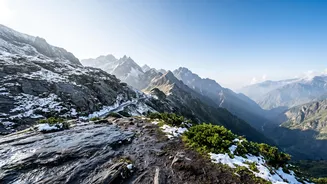
In Himachal, the story is one of transition. While the monsoon has officially ended, a recent weather disturbance brought fresh snowfall to high passes like Rohtang, Shinku La, and Baralacha La around October 10-11. This led to the temporary closure of the Kaza-Chandratal-Manali route. As of October 13, Manali town is experiencing clear weather, but the high-altitude passes remain unpredictable. Treks at lower elevations, such as Triund, are in excellent shape, offering classic post-monsoon clear views of the Dhauladhar range. Treks like the Buran Ghati Pass have also been accessible, with groups reporting sunny conditions. The key advice for Himachal this autumn is to stay flexible, carry warm layers, and confirm road and pass status before setting out, especially for crossover treks into Spiti.
Navigating Nepal This Season
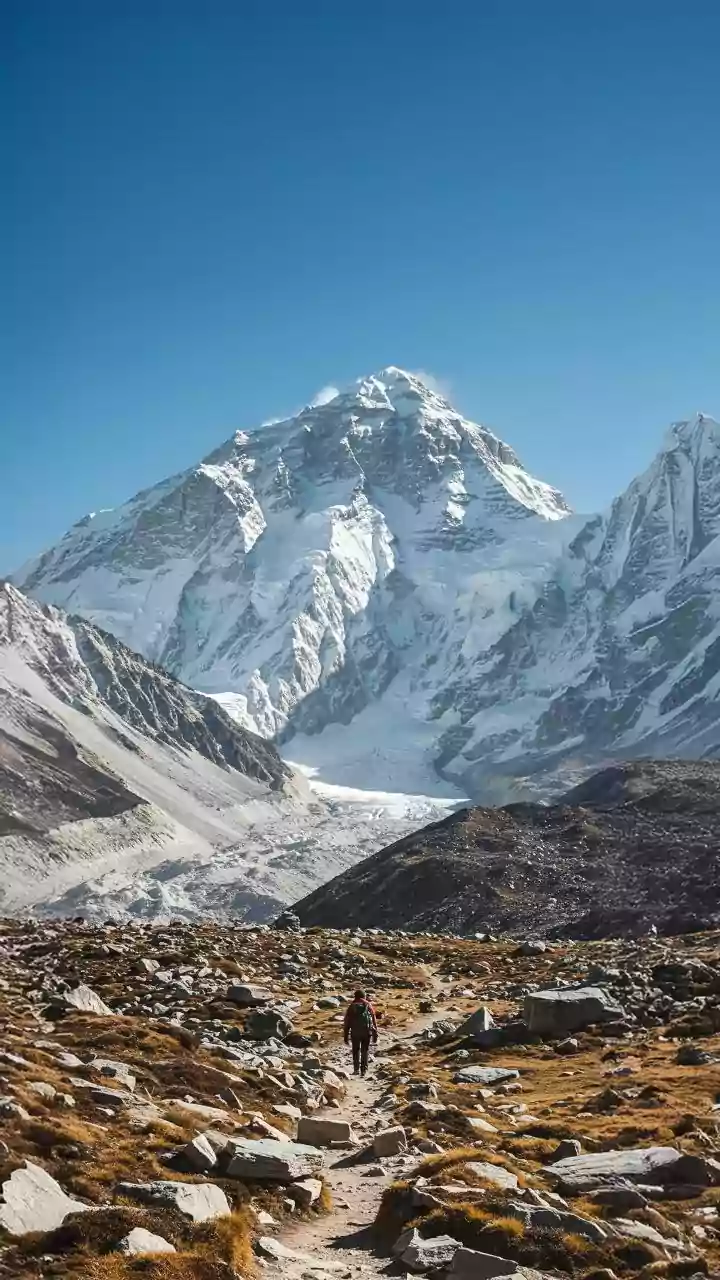
Nepal's trekking season has had a complicated start. A flash flood on October 13 in the Budhi Gandaki river has severed parts of the popular Manaslu Circuit and isolated the Tsum Valley. This follows an earlier flood in August that damaged access routes to the Langtang region. However, major trekking regions like Annapurna and Everest were geographically separate from these incidents and remain fully operational. The monsoon officially withdrew from all of Nepal on October 14, promising more stable and sunny weather for the popular Dashain festival period. On the Annapurna and Everest trails, trekkers are currently experiencing good conditions, though it's cloudy in the ABC region. The primary challenge this season, besides localised weather, is the extreme cold at night, with temperatures at high camps like Gorak Shep and Annapurna Base Camp dropping well below freezing to between -4°C and -10°C.
Safety and Gear Essentials for Autumn 2026
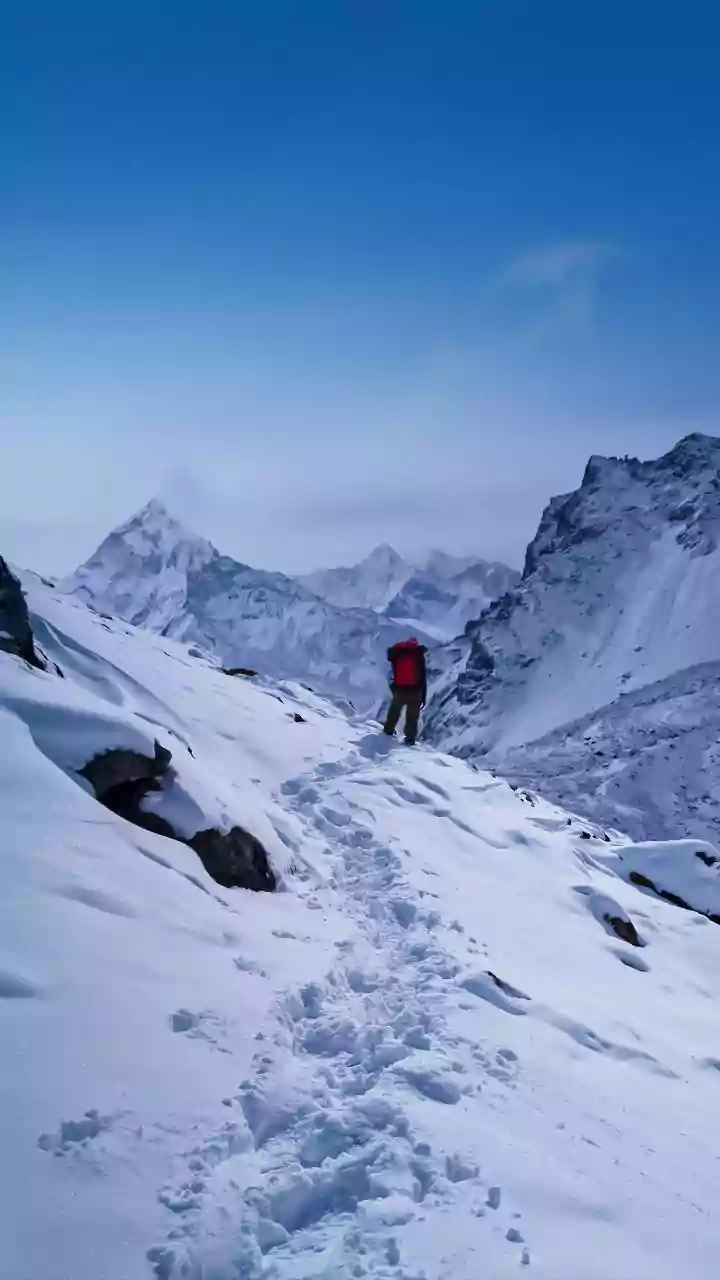
Given the conditions, a few items are non-negotiable this season. For any high-altitude trek in Nepal, a sleeping bag rated for at least -15°C comfort is essential to handle the cold nights in unheated teahouses. Microspikes are highly recommended for passes like Cho La in the Everest region, where hard ice can form in shaded sections. For all regions, the mantra is to layer clothing. While daytime can be pleasantly warm, temperatures drop sharply after sunset. Most importantly, the recent flood events in Nepal underscore the need to trek with reputable agencies who are monitoring local conditions. Landslide risks persist after the monsoon, and trail conditions can be dynamic. Before you leave, check advisories from local authorities and maintain a flexible itinerary.