






The Search for Accessible Fitness
For years, the fitness industry leaned heavily on the gym model, often associated with hefty membership fees, intimidating equipment, and a high-pressure environment. This created a barrier for many. Now, a significant shift is underway as urban Indians
increasingly seek fitness solutions that are affordable, accessible, and less daunting. Public walking tracks, promenades, and city parks offer a powerful alternative. They require no subscription, no specialized gear beyond a comfortable pair of shoes, and no prior experience. This democratisation of fitness allows people of all ages and income levels to participate, moving the focus from exclusive workouts to inclusive well-being.
More Than Just Steps: The Community Angle
What was once a solitary activity for older generations has evolved into a vibrant social scene, particularly for younger Indians. Parks and walking tracks are transforming into 'third places'—social environments outside of home and work where community is built. Morning walk groups, running clubs, and weekend fitness meetups are flourishing in cities like Bengaluru, Hyderabad, and Mumbai. These gatherings are as much about social connection as they are about physical exercise, offering a space to build friendships, network, and find support. For many, the accountability and camaraderie of a group make it easier to stick to a routine than going it alone in a gym.
Urban Planning Catches Up
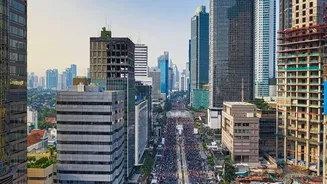
Municipal bodies and city planners are taking notice of this grassroots trend. Across the country, there is a growing emphasis on creating fitness-friendly urban landscapes. Projects like the redevelopment of Delhi’s Yamuna riverfront to include public parks and walking trails, the creation of a forest walkway in Mumbai, and the upgrading of park pathways in Chandigarh are clear indicators of this policy shift. By investing in pedestrian-friendly infrastructure, cities are not only promoting public health but also enhancing the quality of urban life. Well-maintained footpaths and green spaces encourage more people to walk, which in turn contributes to reduced traffic congestion and lower carbon emissions.
A Holistic Approach to Health
The preference for walking is also tied to a broader, more holistic understanding of wellness that goes beyond physical strength. The mental health benefits of walking—stress reduction, a clearer mind, and a break from screens—are a major draw. For many, a walk is a form of moving meditation or a brainstorming session. This aligns with a larger shift away from purely aesthetic fitness goals toward functional fitness, mobility, and mental well-being. Unlike intense gym workouts that can feel like a chore, walking is a low-impact activity that can be easily integrated into daily life, making it a sustainable habit for long-term health.