
Your First Line of Defence: Raingear
Staying dry is a battle against the elements, and your raingear is your primary weapon. You have two main choices: a rain suit (jacket and pants) or a poncho. A good quality rain jacket and pants offer excellent protection against wind and driving rain,
but can feel stuffy during a humid trek. A poncho, on the other hand, is a simple, effective option that provides superior ventilation and conveniently covers both you and your backpack. However, it can snag on branches and be less effective in strong winds. For most Western Ghats treks, a durable, lightweight poncho is a versatile and popular choice. Whatever you choose, ensure it is fully waterproof, not just water-resistant, as the latter will soak through in sustained downpours.
The Right Foot Forward: Monsoon Footwear
Your choice of footwear can make or break your monsoon trek. The trails will be a mix of slippery rocks, deep mud, and flowing streams, making grip your absolute priority. Avoid sneakers or casual sports shoes at all costs. Opt for trekking shoes with deep lugs and soft rubber soles that provide excellent traction on wet surfaces. While fully waterproof boots sound ideal, they can be a double-edged sword; once water gets in over the collar, the waterproof membrane traps it inside, leaving your feet waterlogged. A more practical approach is to use water-resistant, quick-drying trekking shoes that drain well. Always pack at least two or three pairs of synthetic, quick-drying socks. Cotton socks are a trekker's worst enemy in the rain. A pair of lightweight floaters or sandals is also useful for river crossings and for letting your feet breathe at the campsite.
A Waterproof Ecosystem: Backpack & Dry Bags
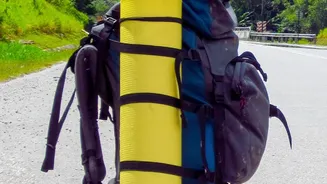
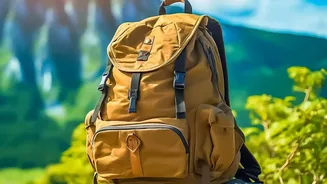
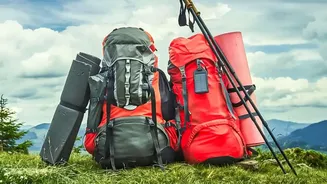
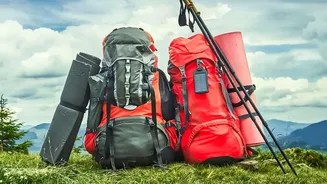
Assume everything will get wet. This mindset is crucial for monsoon packing. No backpack is truly 100% waterproof, even with a rain cover. Your strategy should be a two-layer defence system. The first layer is a good-quality rain cover for your backpack. This will shed the worst of the rain. The second, more important layer is waterproofing your essentials from the inside. Use dry bags or, for a budget-friendly option, heavy-duty ziplock bags to compartmentalise and protect your gear. Have separate dry bags for your change of clothes, electronics, food, and first-aid kit. This ensures that even if your pack gets damp, your critical supplies remain perfectly dry.
The Science of Staying Warm: Clothing
When it comes to monsoon trekking clothes, there is one golden rule: no cotton. Cotton absorbs a massive amount of water, becomes heavy, and fails to insulate, putting you at risk of hypothermia. Instead, build your wardrobe around synthetic, quick-drying fabrics. Pack one or two quick-dry t-shirts and a pair of lightweight synthetic trek pants. For cooler evenings or at higher elevations, a fleece jacket is an excellent addition as it provides warmth even when damp. The goal is to pack light; you only need one set of clothes to wear while trekking and one dry set to change into at the end of the day.
Tiny Terrors: Leech & Safety Kit
Yes, you will encounter leeches in the Western Ghats during the monsoon. While they are mostly harmless, they are a nuisance. Protect yourself by wearing full-length pants tucked into your socks. You can also purchase anti-leech socks for added protection. Carrying a small container of salt, a sanitiser, or a Dettol mixture can help in detaching them if they latch on. Beyond leeches, a well-stocked first-aid kit is non-negotiable. Your kit should include antiseptic wipes, assorted bandages, blister tape, pain relief tablets, and Oral Rehydration Salts (ORS) to combat dehydration, which can happen even in cool, rainy weather.
Essential Extras: Gear & Gadgets
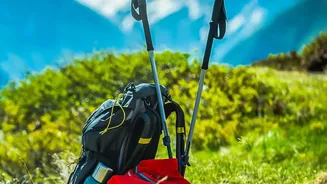
A few extra items can significantly improve your safety and comfort. A trekking pole is almost essential, providing a third point of contact for balance on treacherous, slippery slopes. It also helps you gauge the depth of muddy patches or streams. A headlamp is another critical item; heavy mist and cloud cover can drastically reduce visibility and make it seem like dusk, even in the middle of the afternoon. Ensure your phone, power bank, and any other electronics are stored in waterproof cases or reliable dry bags. Finally, pack a few high-energy snacks like granola bars or nuts to keep you going on the trail.