





The sleek, modern aircraft you fly on are guided by a system that, in some corners, still relies on technology from the 1980s. Now, the FAA has begun a massive, nationwide overhaul to bring its infrastructure firmly into the 21st century.
From Floppy Disks to Fiber Optics
It might sound
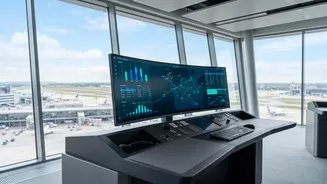
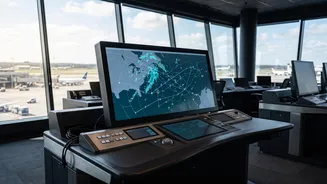
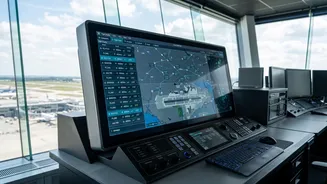
like a relic from a museum, but until recently, parts of the U.S. air traffic control system used floppy disks to store and distribute vital data. On November 5, 2026, the Federal Aviation Administration (FAA) announced a significant step in its long-term modernization plan: the deployment of the Enterprise Information Display System (E-IDS). This new platform is designed to replace four separate legacy systems that have been in use for decades, consolidating critical information for air traffic controllers into a single, modern interface. This move is part of a much larger initiative known as the Brand New Air Traffic Control System (BNATCS), which aims to overhaul everything from radar and communications to the very software that manages flights. The goal is to move away from aging, costly-to-maintain hardware and create a more resilient and efficient National Airspace System.
What's Actually Changing?
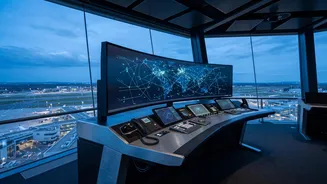
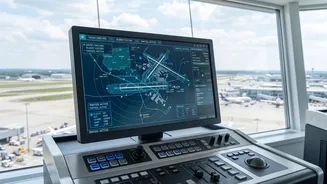
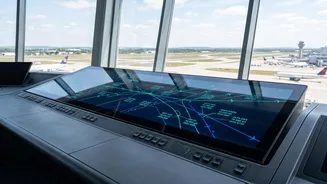
The changes are both physical and digital. A core part of the effort involves replacing thousands of miles of old copper wiring with high-speed fiber-optic cables. But some of the most tangible upgrades are happening inside the control towers. For years, controllers have relied on passing small paper 'flight strips' to one another to track an aircraft's progress. This manual process is now being replaced by the Terminal Flight Data Manager (TFDM) program, which provides controllers with electronic flight strips on digital displays. The new E-IDS further enhances this by giving controllers instant, unified access to weather data, equipment status, restricted airspace schedules, and pilot reports—information that was previously scattered across multiple, outdated systems. The rollout has begun at an initial five sites, including Atlantic City and Nashville, with a plan to reach 435 facilities by the end of 2028.
The View from the Control Tower
For the nation's air traffic controllers, this modernization is a game changer. The transition from manual processes and disparate information sources to an integrated digital system is expected to significantly reduce workload and the potential for human error. With E-IDS, controllers no longer need to consult multiple screens or paper binders to get a complete operational picture. Instead, they have a real time, shared view of activity that allows for faster and more informed decision making. This enhanced situational awareness is crucial for managing the 87,000 flights that cross U.S. airspace on an average day. FAA Administrator Bryan Bedford stated that the new system gives controllers the information they need to keep the flying public safe by allowing instant sharing of critical alerts across the entire airspace system.
How This Affects Your Next Flight
While the technical details are complex, the benefits for passengers are straightforward: enhanced safety, fewer delays, and more efficient flights. The long running NextGen modernization program, of which these latest upgrades are a part, has already delivered billions in benefits by allowing aircraft to fly more direct, fuel saving routes. The new systems like TFDM and E_IDS build on that progress. By improving how aircraft are managed on the ground, the FAA can reduce taxi times and prevent bottlenecks before they start. Better access to real time weather data and pilot reports helps controllers route planes around turbulence and storms more effectively. Ultimately, a more predictable and resilient system means fewer flight disruptions and a smoother travel experience from the gate to your destination.