
The Power of the Micro-Workout
The idea that you need long, gruelling sessions to see results is a common misconception. The 'all-or-nothing' mindset often leads to doing nothing at all. However, studies show that short, consistent bursts of activity spread throughout the day can be
highly effective. These five-minute breaks can increase endurance, improve cardiovascular fitness, and help control blood pressure. They are a powerful tool to combat a sedentary lifestyle, especially for those who work at a desk. The key is consistency. A simple five-minute routine each day can build healthy habits and boost your confidence. This workout requires no special equipment and can be done anywhere, making it easy to fit into your busy life.
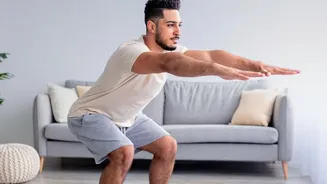
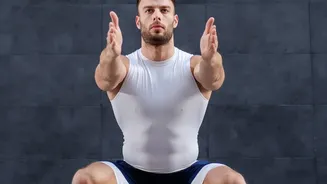
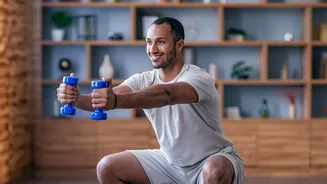
Bodyweight Squats: Build Lower Body Strength
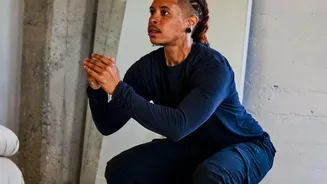
The squat is a fundamental movement that strengthens your quadriceps, glutes, and hamstrings. It's an exercise that mimics everyday actions like sitting down and picking things up. How to do it: Stand with your feet slightly wider than shoulder-width apart, with your toes pointing slightly outwards. Keep your chest up and engage your core muscles. Lower your hips back and down as if you are sitting in a chair. Aim to get your thighs parallel to the floor, ensuring your knees track over your toes and do not collapse inward. Push through your heels to return to the starting position. For a full minute, perform as many controlled squats as you can.
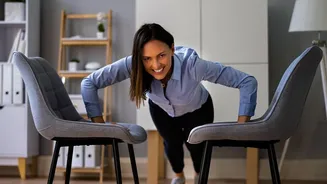
Wall Push-Ups: A Gentle Upper Body Burn
For those who find traditional push-ups too challenging, wall push-ups are an excellent alternative. They build strength in the chest, shoulders, and triceps with less strain on the joints. How to do it: Stand facing a wall, about an arm's length away. Place your hands on the wall, slightly wider than your shoulders. Step your feet back so your body forms a straight line from your head to your heels. Bend your elbows and lower your chest towards the wall, keeping your back straight and core engaged. Push back to the starting position. Perform this for one minute. To increase the difficulty, simply move your feet further from the wall.
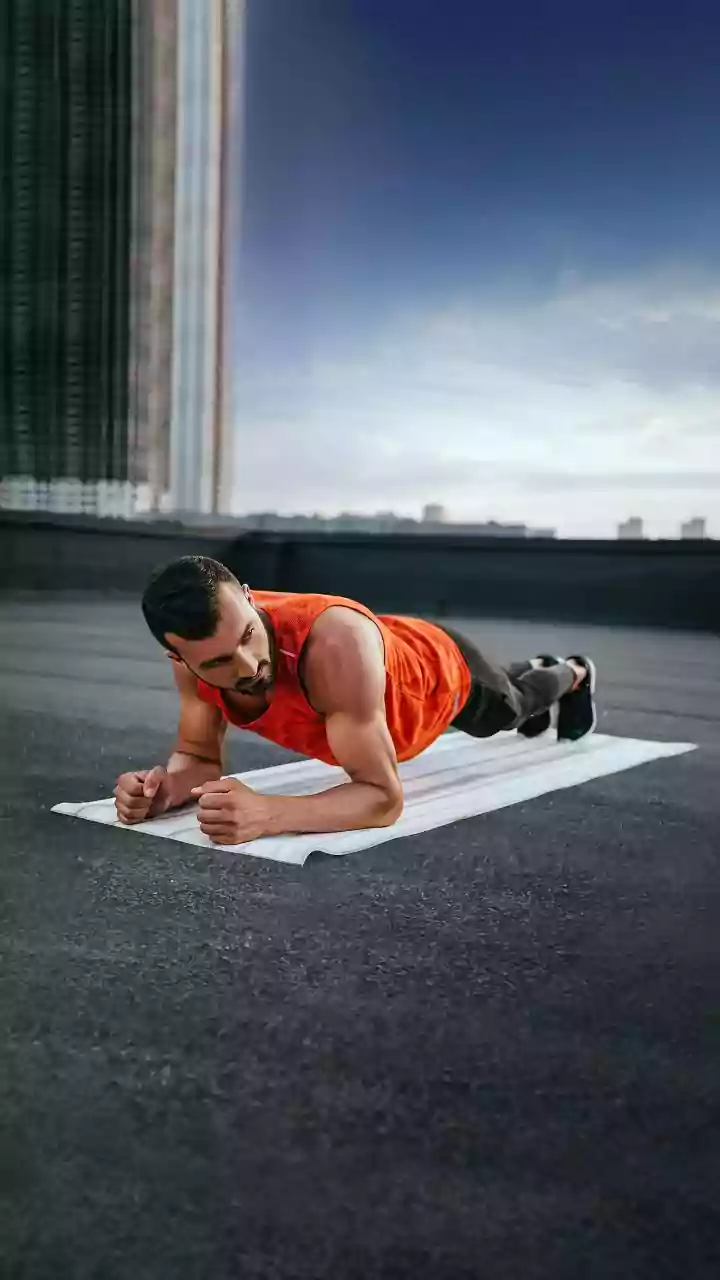
Plank: The Ultimate Core Stabiliser
The plank is an isometric exercise that works your entire core, including your abs, back, and hips. A strong core is vital for good posture and reducing the risk of lower back pain. How to do it: Start by lying on your stomach. Place your forearms on the floor with your elbows directly under your shoulders. Lift your body off the floor, resting on your forearms and toes. Your body should form a straight line from your head to your heels. Avoid letting your hips sag or rise too high. Engage your abdominal muscles by pulling your belly button towards your spine and squeeze your glutes. Hold this position for 30 to 60 seconds, remembering to breathe steadily.
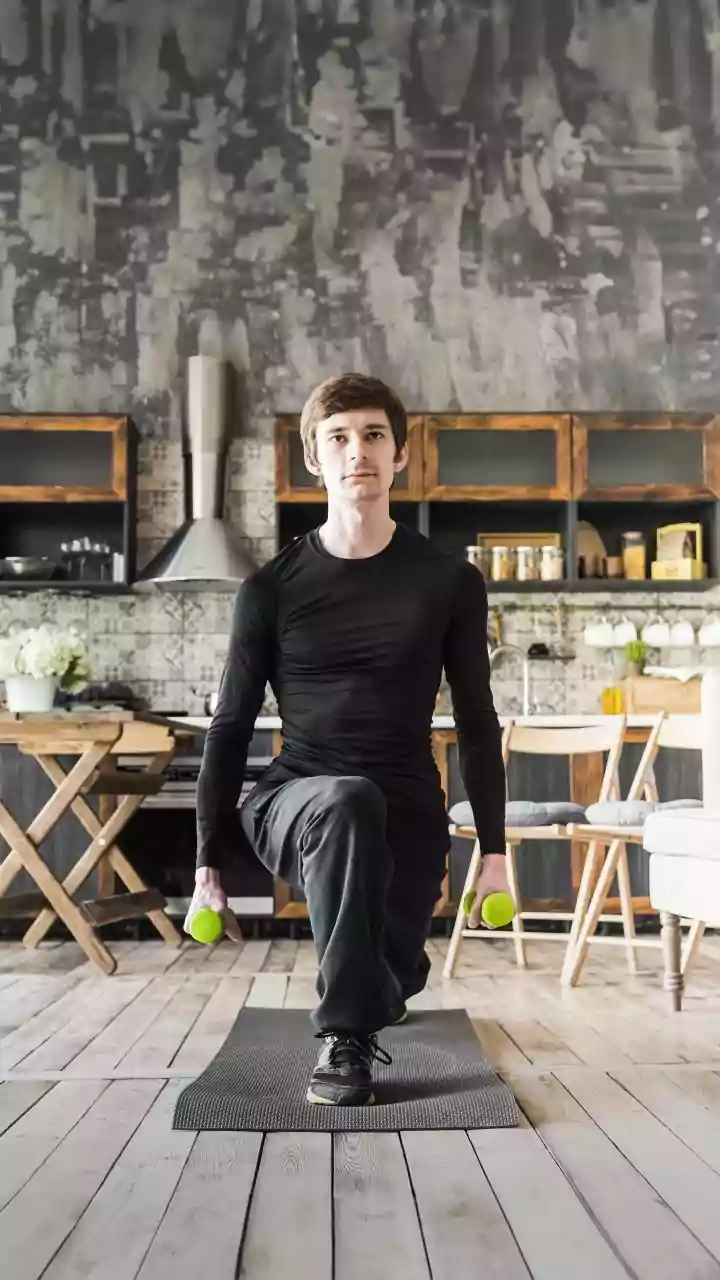
Lunges: For Balance and Leg Power
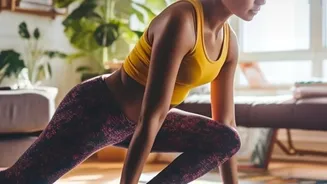
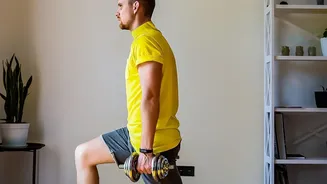
Lunges are fantastic for targeting the muscles in your hips, glutes, and thighs, while also challenging your balance and coordination. Unlike squats, lunges work one leg at a time, which can help improve stability. How to do it: Stand with your feet together. Take a step forward with your right foot. Lower your hips until both knees are bent at approximately a 90-degree angle. Your front knee should be directly above your ankle, and your back knee should hover just above the ground. Keep your torso upright and your core engaged. Push off your right foot to return to the starting position. Alternate legs with each repetition for one minute.
Jumping Jacks: A Quick Cardio Blast
To finish your five-minute routine, a minute of jumping jacks will get your heart rate up and boost your circulation. This classic cardio move works your entire body and is a great way to increase your energy levels. How to do it: Stand with your feet together and your arms at your sides. In one fluid motion, jump your feet out to the sides while raising your arms above your head. Immediately jump back to the starting position. Continue for one minute at a pace that feels comfortable but challenging. If jumping is too high-impact, you can perform a modified version by stepping one foot out to the side at a time while raising your arms.