







Why Impulse Trips Are Off the Table
The summer of 2026 is shaping up to be one of the most expensive for travel in recent memory. A combination of factors, including high demand, elevated fuel costs, and airline capacity that still hasn't fully caught up with the number of people wanting
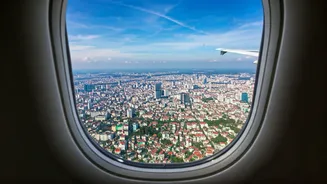
to fly, has sent prices soaring. Domestic airfares are up significantly compared to last year, with some reports indicating increases of 15% or more. International routes to popular hubs in Europe and Asia are also seeing steep hikes. This isn't a case of airlines being greedy without reason; with packed planes, there's little incentive for them to release last-minute deals. For travellers, this means the romantic notion of booking a flight on a Tuesday to leave on a Friday is more likely to lead to sticker shock than a serene escape.
Embrace the Art of the Travel Forecast
Forecasting isn't just about booking months in advance; it's a more active and strategic approach to planning. It means becoming the CFO of your own holiday. Start by setting up alerts on platforms like Google Flights for your desired routes and dates. This allows you to monitor price fluctuations and pounce when a reasonable fare appears—because waiting for a better deal this summer is considered a losing game. Forecasting also involves flexibility. If your heart is set on a destination, you may need to be flexible with your dates. Conversely, if your dates are fixed, being open to different destinations could unlock significant savings. This year, trends show many travellers are opting for 'coolcations' to places with milder climates or exploring domestic destinations to manage costs.
Smarter Flight and Hotel Booking
Once you've identified a flight that feels like a 'good enough' deal, book it. The consensus among travel experts for summer 2026 is that prices are unlikely to drop as your departure date nears. When it comes to accommodation, the strategy can be slightly different. Travellers seem to be locking in their flights first and then tackling hotels. This makes sense, as there are generally more hotel options than seats on a specific flight. However, don't leave it too late. Booking refundable hotel rates early is a wise move. This secures your spot and allows you to cancel and rebook if you find a better deal closer to your travel date. Also consider booking directly with the hotel; while OTAs are a great starting point for research, booking direct can sometimes offer perks and is often easier to manage if plans change.
Forecast Beyond the Big Bookings
Effective travel forecasting extends beyond flights and hotels. With many popular destinations experiencing high tourist volumes, planning your on-the-ground activities is more important than ever. This is particularly true for destinations in Europe, which are seeing a surge in bookings. Major attractions, popular restaurants, and even inter-city trains can sell out well in advance. Researching and pre-booking essential tours, tickets, and reservations can save you from disappointment and long queues. This is also true for domestic hotspots in India, where demand for mountain destinations and leisure travel has seen a significant uptick. Planning these smaller details ensures that your well-forecasted trip is smooth and enjoyable from start to finish, rather than a series of stressful, last-minute scrambles.