


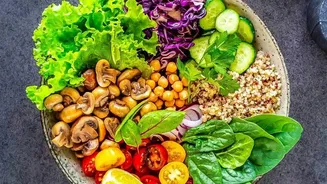
Why Meal Prep Is a Student's Best Friend
Meal prepping is the practice of preparing meal components or full meals ahead of schedule. For a busy student, this is a game-changer. The initial time investment of a couple of hours on a Sunday can save you precious time during the week. It’s also
incredibly cost-effective; buying ingredients in bulk is cheaper than daily impulse buys, and having delicious food ready to go means you're less likely to spend money on takeout. More importantly, it puts you in control of your nutrition. A well-stocked fridge filled with prepped, healthy options ensures you're fueling your brain and body with nourishing food, not just surviving on instant noodles and leftover pizza. Consistent, balanced meals can lead to better energy levels, improved focus in lectures, and less stress around the daily question of 'What's for dinner?'.
Your Versatile Vegetarian Shopping List
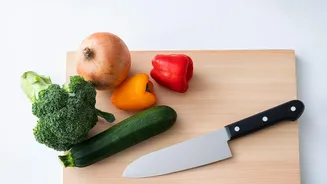
The key to successful student meal prep is a smart, versatile grocery list. Focus on affordable staples that can be mixed and matched. Here is a template to get you started: Grains: Quinoa, brown rice, oats, and whole-wheat pasta or tortillas. These are filling, affordable, and form a great base for any meal. Proteins: Canned chickpeas and black beans, lentils (red or green), tofu or tempeh, and eggs. These are cheap, packed with protein, and can be cooked in large batches. Hearty Vegetables: Sweet potatoes, broccoli, carrots, bell peppers, and onions. These vegetables hold up well in the fridge after being roasted or chopped. Leafy Greens: Spinach or kale. These are nutrient-dense and can be added to salads, bowls, or smoothies. Healthy Fats: Avocados, nuts, seeds (like chia or flax), and olive oil for cooking and dressings. Flavor Boosters: A simple vinaigrette, hummus, a jar of salsa, soy sauce, and basic spices like garlic powder, cumin, and paprika can transform your meals.
The Two-Hour Sunday Prep Session
Set aside about two hours to get your ingredients ready for the week. Put on some music and multitask to make it efficient and fun. Here’s a sample workflow: 1. Cook Your Grains: Get a pot of quinoa or brown rice on the stove first, as it can simmer while you work on other things. Cook a large batch (about 2-3 cups dry) to last the week. 2. Roast Your Vegetables: Chop your hearty vegetables like sweet potatoes, broccoli, and bell peppers. Toss them with a bit of olive oil and your favorite spices, then spread them on a baking sheet. Roast at 200°C (400°F) until tender and slightly browned. 3. Prepare Your Proteins: If you're using tofu or tempeh, press it to remove excess water, then cube and bake or pan-fry it. You can simply rinse canned beans and lentils and store them in a container. Hard-boil half a dozen eggs for quick snacks or salad toppers. 4. Wash and Chop: Wash and dry your leafy greens thoroughly. Chop any fresh vegetables like cucumbers or onions that you'll want for salads or wraps. Prepare a simple dressing or sauce, like a lemon-tahini or a basic vinaigrette.
Storing Your Food for Lasting Freshness
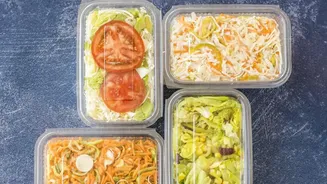
Proper storage is crucial to ensure your prepped food stays fresh and appealing all week. Invest in a good set of airtight containers, preferably glass, as they don't stain or hold odors. Allow all cooked food, like roasted vegetables and grains, to cool completely before sealing and refrigerating to prevent condensation and sogginess. Store different components separately to maintain their texture and flavor. For example, keep your roasted veggies in one container, your quinoa in another, and your beans in a third. Chopped vegetables like carrots and celery can be stored in water to keep them crisp, while leafy greens stay fresher if stored with a paper towel in the bag or container to absorb excess moisture.
Mix-and-Match Meal Assembly
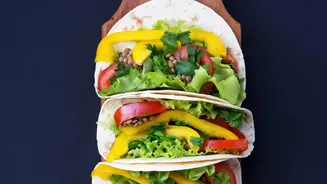
The beauty of prepping ingredients instead of full meals is flexibility. This method prevents the dreaded meal prep boredom. Here are a few ideas for combining your prepped components into quick, delicious meals: The Nourish Bowl: Start with a base of quinoa or brown rice. Top it with a scoop of black beans or chickpeas, a generous portion of roasted sweet potatoes and broccoli, and a handful of fresh spinach. Drizzle with your favorite dressing. The 5-Minute Wrap: Spread hummus on a whole-wheat tortilla. Add your prepped protein (crumbled tofu or chickpeas), some chopped carrots and cucumbers, and a few leaves of kale. Roll it up for an easy on-the-go lunch. The Hearty Salad: Create a base of leafy greens. Add roasted veggies, a sliced hard-boiled egg, and a sprinkle of seeds for crunch. A simple vinaigrette ties it all together. The Quick Curry: In a small saucepan, gently heat up some lentils or chickpeas with a spoonful of curry paste and a splash of coconut milk for a comforting and fast dinner.