


The Other Pilot is a Pilot, Not an Apprentice
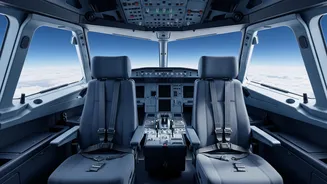
The most important safety feature in any commercial cockpit is the presence of two fully qualified pilots. The person in the right seat, known as the First Officer, is often called a 'co-pilot', but that term is misleading. Both the Captain and the First Officer are
completely certified to fly the aircraft, and they typically share flying duties, swapping roles as 'Pilot Flying' and 'Pilot Monitoring' on different legs of a journey. The First Officer is not an apprentice; they are a licensed, experienced professional who has undergone the same rigorous training on the specific aircraft type as the Captain. This built-in redundancy ensures that if one pilot is unable to perform their duties for any reason, the other is immediately ready and able to take full command of the aircraft.
Immediate Actions in the Cockpit
Should a pilot become incapacitated, a clear and practiced set of procedures kicks in. The first step for the remaining pilot is to take positive control of the aircraft, often with the verbal declaration, "I have control." This ensures the plane remains stable and secure. The pilot's primary responsibility is to fly the aircraft safely. They will engage the autopilot to manage the workload, allowing them to focus on the next steps. The incapacitated pilot will be secured in their seat, with their seatbelt and shoulder harness fastened, to ensure they cannot interfere with the flight controls. This might be done with the help of cabin crew if necessary.
Declaring an Emergency and Getting Support
Once the aircraft is stabilised, the pilot will declare an emergency with Air Traffic Control (ATC). Using a standard phrase like "Mayday" or clearly explaining the situation ensures they get immediate priority. ATC becomes a crucial support system, clearing the airspace, providing guidance on the nearest suitable airport, and coordinating with emergency services on the ground. The pilot will also inform the senior cabin crew member, who will then manage the situation in the cabin, including providing medical assistance to the incapacitated pilot and asking if there are any medical professionals among the passengers. This coordinated team effort between the remaining pilot, ATC, and cabin crew is designed to manage the workload and ensure a safe resolution.
Training for the Unthinkable
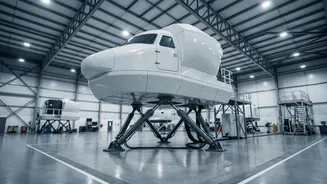
Pilots don't just learn these procedures in a manual; they practice them repeatedly in highly realistic flight simulators. This mandatory and recurrent training covers a wide range of emergency scenarios, including the sudden or subtle incapacitation of a crewmate. They rehearse everything from taking control and redistributing workload to communicating with ATC and preparing for a single-pilot landing. This rigorous, hands-on training builds the muscle memory and mental clarity needed to handle such a high-stress event calmly and effectively. Furthermore, pilots undergo regular and stringent medical examinations to ensure they are fit to fly, reducing the likelihood of such an event occurring in the first place.