
More Than Just Fabric
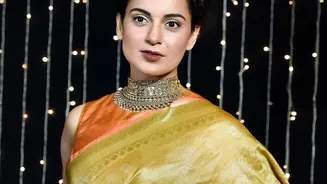
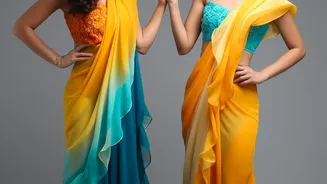
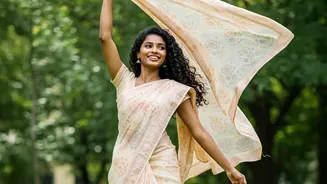
A saree is rarely just a piece of clothing; it's a repository of memories, culture, and emotion. Many are heirlooms passed from mother to daughter, worn at weddings, festivals, and milestone celebrations. They carry the stories of family history and personal
identity, with each weave, pattern, and colour holding significance. The idea of a grandmother's Kanjeevaram or a mother's wedding Banarasi simply fading in a trunk feels like a loss. This emotional connection is the driving force behind the upcycling trend, which seeks to honour these textiles by giving them a new, visible place in the home. By repurposing them, their stories are not packed away but are instead allowed to become part of the home's daily narrative.
A Sustainable and Soulful Choice
The movement towards sustainable interiors is gaining momentum, with a growing emphasis on mindful consumption, natural materials, and reducing waste. Upcycling sarees fits perfectly within this philosophy. It is an act of circular economy, preventing beautiful, high-quality textiles from ending up in landfills and reducing the need for new production. This practice is not only eco-friendly but also deeply personal. Unlike mass-produced curtains, a drape made from a family saree is a one-of-a-kind piece infused with history. It aligns with a broader shift away from fast decor and towards creating homes that feel layered, authentic, and reflective of personal values.
From Wardrobe to Window Display
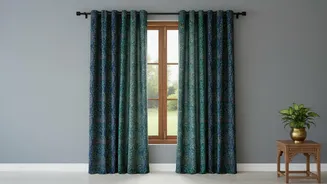
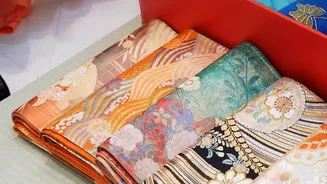
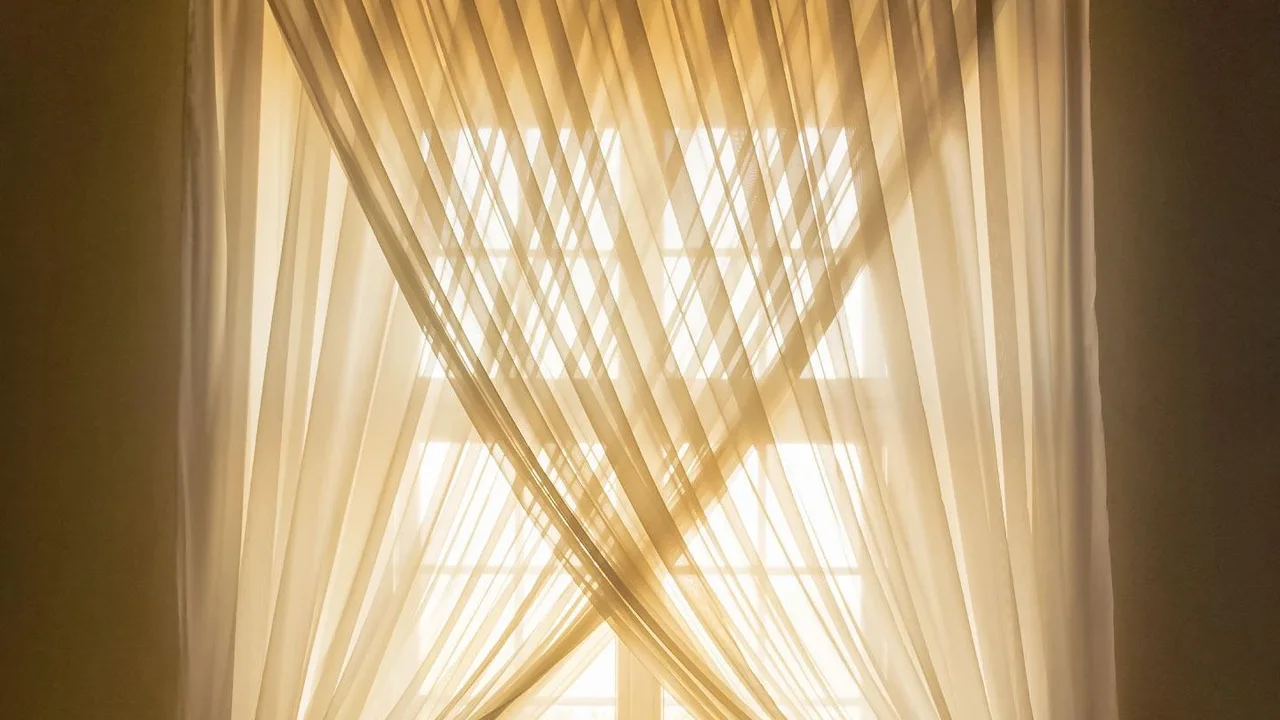
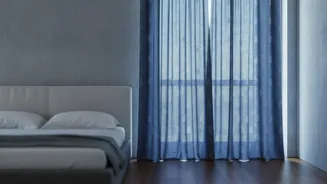
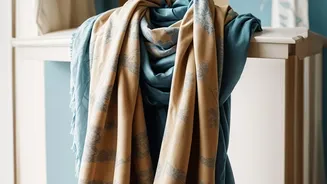
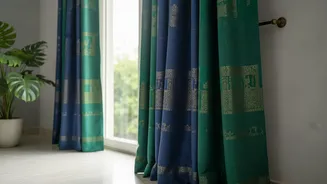
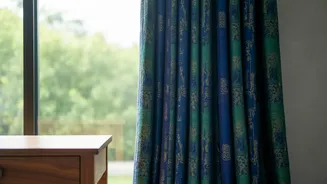
The transformation from saree to curtain is a celebration of the fabric's inherent qualities. The generous length of a saree is ideal for creating drapes, and different materials offer unique effects. Lightweight sarees like chiffon, georgette, and cotton create sheer, flowing curtains that filter sunlight beautifully, casting a soft, colourful glow into a room. Heavier silks, such as Banarasi or Kanjeevaram, lend themselves to more opulent, structured drapes perfect for framing a formal living room or creating a luxurious ambience. The intricate borders (zari) and decorative pallus, which are the hallmarks of a traditional saree, can be strategically placed to become stunning design features on the curtains.
Blending Tradition with Modern Aesthetics
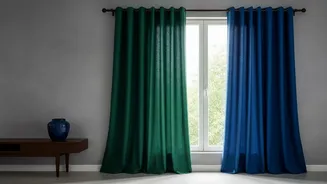
One of the most appealing aspects of using saree drapes is their versatility in modern homes. A vibrant, richly patterned silk curtain can serve as a bold statement piece in a minimalist or neutral-toned room, adding a splash of colour and heritage. It can create a striking contrast against contemporary furniture and clean lines. For a more bohemian or eclectic style, different sarees can be stitched together in a patchwork design, creating a vibrant tapestry of colours and textures. This approach allows for immense creativity, blending different patterns and fabrics to create a truly unique installation that is both a window covering and a work of art.
Preserving India’s Handloom Legacy
Beyond the personal and environmental benefits, upcycling handloom sarees plays a crucial role in preserving India's rich textile heritage. Many traditional weaving techniques are at risk in the face of mass production. By finding new applications for handwoven sarees, this trend gives renewed value to the incredible skill and artistry of weavers. It creates an extended life cycle for their creations, ensuring that the craftsmanship of a Paithani's peacock motifs or a Chanderi's delicate weave continues to be appreciated. This practice supports artisan communities and promotes a deeper appreciation for the timeless quality of handcrafted goods in an era of fast fashion and disposable decor.