







Our Real Lives Tell the Full Story
Most of our health is determined by what happens outside of a clinic. The World Health Organization calls these the Social Determinants of Health (SDOH): the conditions in which we are born, grow, live, work, and age. Factors like access to nutritious
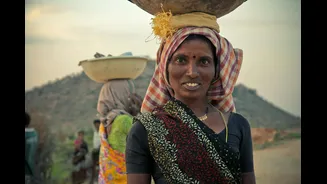
food, air and water quality, housing stability, education, and family support have a far greater impact on our well-being than occasional hospital visits. In India, these determinants, including poverty and social equity, are deeply intertwined with health outcomes. Studying patients only when they are already ill provides an incomplete, biased snapshot. The data often misses the crucial context of a person's daily life, which may hold the key to preventing illness in the first place.
The Rise of Real-World Data
This new frontier of research is powered by what experts call Real-World Data (RWD). This isn't data from a controlled lab experiment; it’s information on patient health and healthcare delivery that is collected from a variety of everyday sources. Think of data from electronic health records, insurance claims, and, increasingly, the technology we use daily. Wearable devices like smartwatches can continuously track heart rate and activity levels, while smartphone apps can monitor symptoms or medication adherence in real time. This allows researchers to gather vast amounts of information as people live their normal lives, providing a much richer, more diverse picture of health and disease across different populations.
Making Research More Accessible
A major driver of this shift is the move towards Decentralized Clinical Trials (DCTs). Traditionally, participating in a medical study required frequent, often burdensome, trips to a major hospital or research centre. This created barriers for many, including those in rural areas, people with mobility issues, or those with demanding jobs. Decentralized trials flip the model. By using telemedicine, local clinics, home visits by health workers, and digital tools, they bring the research to the participant. This not only makes it more convenient for people to join studies but also helps researchers recruit a more diverse group of participants, ensuring that new treatments and health strategies are tested on populations that better reflect society as a whole.
From Subjects to Partners
Beyond just collecting data remotely, scientists are fundamentally changing their relationship with communities. An approach called Community-Based Participatory Research (CBPR) involves community members as equal partners in the entire research process. Instead of academics deciding what to study, they collaborate with community leaders and residents to identify pressing health concerns and design studies together. This ensures the research is relevant to the community's actual needs and builds trust. By working with people in their own environments—be it a local community centre or a workplace—researchers gain deeper insights and develop solutions that are more likely to be accepted and effective.