
The Velvety Foundation: Perfecting The Avocado Layer
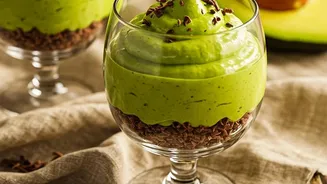
The base of this parfait is a rich, creamy avocado mousse that provides a satisfying, dense foundation. The key is selecting the right avocados—they should be perfectly ripe and yield to gentle pressure. To achieve a silky-smooth texture, a blender or
food processor is your best friend. Combine peeled and pitted avocado with a touch of lime juice, a sweetener like honey or agave, and perhaps a splash of coconut milk. Blend for several minutes until completely smooth, scraping down the sides as needed. The lime juice is crucial not just for flavour, but also because its acidity helps prevent the avocado from browning due to oxidation. The goal is a consistency similar to a thick pudding or heavy cream, which will hold its shape and support the subsequent layers without collapsing.
The Bright Counterpoint: Preparing Your Pineapple
Pineapple offers a burst of sweet-tart flavour and a contrasting texture that cuts through the richness of the avocado. How you prepare it can completely change the experience. For a classic parfait with distinct components, dicing the pineapple into small, uniform chunks is the way to go. This provides a juicy, fibrous bite that stands out against the creaminess. If your pineapple isn't perfectly sweet, you can briefly cook the chunks in a pan with a little coconut oil to caramelize the natural sugars and soften the fruit. For a different textural approach, consider a partial purée. Blending half of your pineapple and leaving the other half diced creates a layer that is both saucy and chunky, offering a more integrated fruit experience. Fresh pineapple is generally preferred for its brighter flavour, but canned crushed pineapple, drained well, can also work in a pinch.
The Art of Assembly: Layering for Success
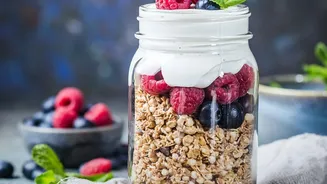
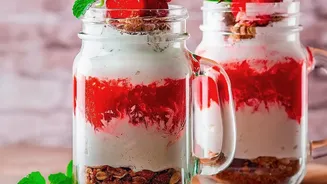
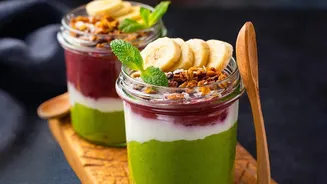
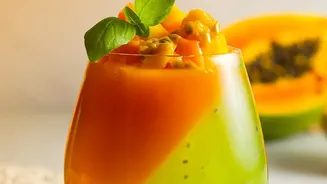
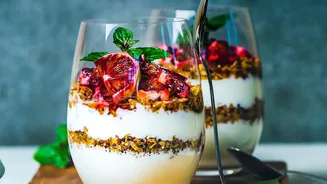
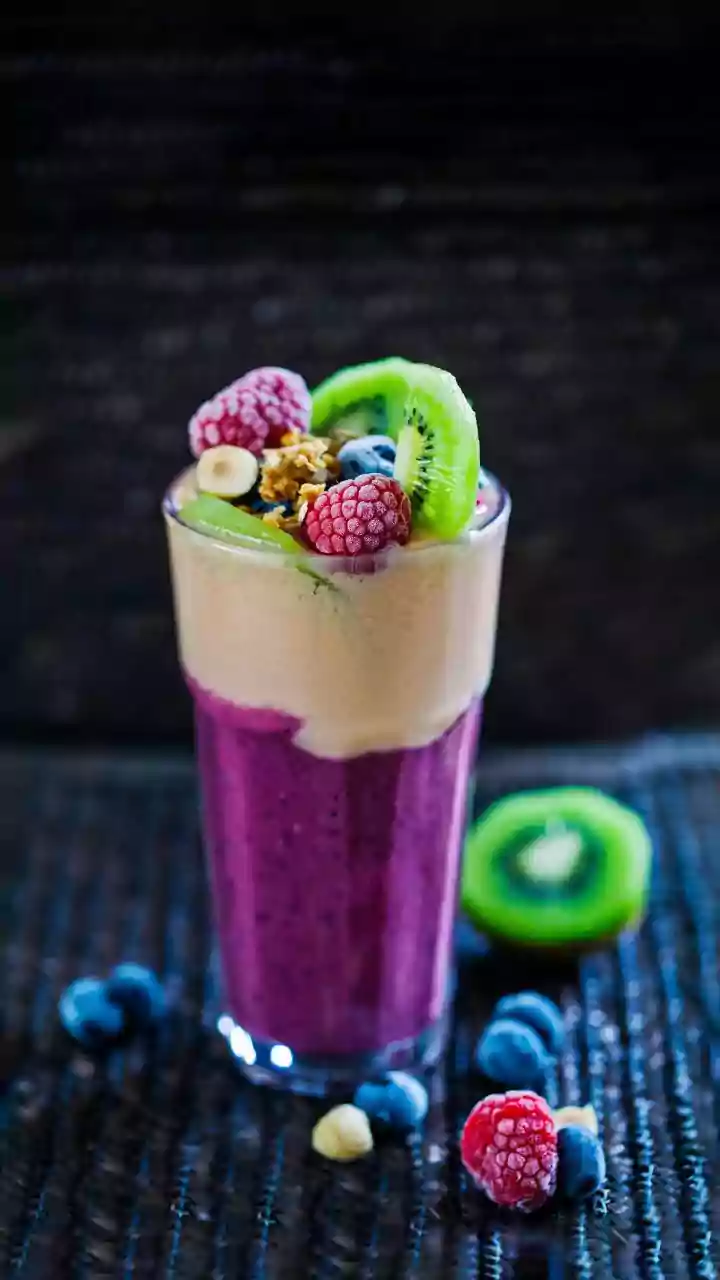
The magic of a parfait is in its visible, distinct layers. Always use clear glasses or jars to showcase your work. Start with the densest layer at the bottom, which in this case is the avocado mousse. Its thickness provides a stable base. Spoon it in carefully and smooth the top with the back of a spoon. Next, add your pineapple layer. Whether you've chosen diced, puréed, or a mix, spoon it gently over the avocado. Creating a clean line between the layers is key to the visual appeal. You can alternate layers of avocado and pineapple for a more striped effect, or create one solid base and one solid topping. Some recipes incorporate a layer of Greek yogurt or whipped coconut cream between the fruit layers to add another dimension of flavour and texture. Just be mindful of how each component's density will interact with the others.
The Finishing Touch: Adding Textural Crunch
A great parfait isn't complete without a final, crunchy element on top. This last layer provides a critical textural contrast that elevates the entire dessert. Toasted coconut flakes are a natural fit, echoing the tropical theme and adding a nutty, crisp quality. To toast them, simply spread them in a dry pan over medium-low heat for a few minutes until golden and fragrant. Other excellent options include chopped macadamia nuts, almonds, or your favourite granola for an oat-based crunch. Crushed graham crackers or even cacao nibs can also work well, adding sweetness or a hint of bitter chocolate flavour. Add this crunchy topping just before serving to ensure it doesn't become soggy from contact with the creamy layers.