






First, What Is El Niño?
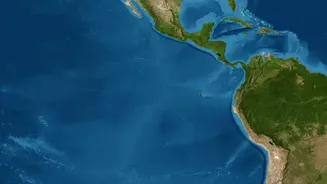
At its simplest, El Niño is a climate pattern characterized by the unusual warming of surface waters in the central and eastern tropical Pacific Ocean. This isn't just a minor temperature shift; it's a large-scale event that disrupts the intricate dance
between the ocean and the atmosphere. Normally, trade winds blow from east to west, pushing warm water towards Asia. During an El Niño, these winds weaken or even reverse. This change is part of a larger cycle called the El Niño-Southern Oscillation (ENSO), which swings between the warm phase (El Niño), a cold phase (La Niña), and neutral conditions. Think of it as a massive, slow-moving pulse in the Earth's climate system that occurs every two to seven years, altering weather patterns across the globe.
The Critical Monsoon Connection
So, why does a warming Pacific matter to India? Because the atmospheric changes triggered by El Niño have a strong tendency to disrupt the Indian summer monsoon. The monsoon itself is a giant sea-to-land breeze, driven by pressure differences between the cooling ocean and the heating Indian subcontinent. El Niño alters this pressure and wind system, often weakening the moisture-laden winds that are the lifeblood of India's rainy season. Historically, a significant number of El Niño years have coincided with below-average rainfall and even drought conditions in India. While it's not a perfect one-to-one relationship—other factors can sometimes counteract El Niño's influence—the correlation is strong and a cause for concern whenever an El Niño event is forecast.
Why Cities Feel the Pinch
While we often associate the monsoon with agriculture, its performance has profound and direct consequences for urban India. Cities are vast, complex systems that are highly dependent on resources from the surrounding region. A weak monsoon, often exacerbated by El Niño, sends ripples through this entire system, hitting city residents where they live. The most immediate impact is on water supply. Megacities like Mumbai, Delhi, Chennai, and Bengaluru rely heavily on reservoirs that are replenished by monsoon rains. A deficit can lead to water cuts, rationing, and an increased reliance on groundwater, which is already dangerously over-exploited in many urban areas. In recent years, even a delayed start to the monsoon has forced municipal bodies to implement water cuts for households and industries, underscoring the vulnerability of our urban water security.
The Urban Domino Effect
The impacts don't stop at water. A weaker, drier monsoon season often means hotter temperatures. This leads to a surge in electricity demand as millions of air conditioners work overtime, straining the power grid and potentially leading to outages. Furthermore, what happens in the farms does not stay in the farms. Lower agricultural output due to poor rains can quickly translate into higher food prices in urban markets, affecting household budgets for everything from vegetables to grains. A weak monsoon hurts rural incomes, which in turn reduces spending on goods and services, impacting the broader economy that many urban jobs depend on. This chain reaction demonstrates that a city's economic health is inextricably linked to the monsoon's performance.
More Than Just Less Rain
Paradoxically, an El Niño-influenced monsoon isn't just about a lack of rain; it's also about its character. Recent studies show that while the total volume of rainfall may decrease during an El Niño year, the frequency of extreme, intense downpours can actually increase in some parts of India. For cities with aging or inadequate drainage infrastructure, these sudden, heavy spells can be disastrous, leading to the flash floods and waterlogging that have become an all-too-common urban sight. The combination of high heat, oppressive humidity from trapped moisture, and erratic rainfall creates a volatile and unpredictable environment, challenging urban infrastructure and public health systems.