


The Shock of the Scores
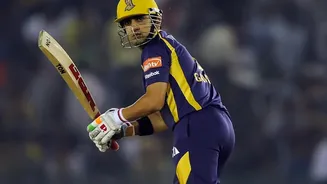
The plan seemed perfect. Senior Indian batter KL Rahul, along with other Test regulars, was directed by the BCCI to get some red-ball practice in the opening round of the Ranji Trophy. The stage was set in Vijayawada for Rahul to find his rhythm for Karnataka
against Andhra. Instead, the script went horribly wrong. In the first innings, he was dismissed for just 4 runs off 11 balls by pacer KV Sasikanth, contributing to a top-order collapse that saw Karnataka slump to 9 for 3. The second innings brought no redemption. In what can only be described as a painstaking knock, Rahul was dismissed for 1 off 20 balls on the third day, falling to left-arm spinner Saurabh Kumar. A total of five runs across two innings was not the statement anyone expected.
Why The Ranji Return Backfired
For a player of Rahul's stature, playing in the Ranji Trophy is less about proving his credentials and more about fine-tuning his game. Ahead of a demanding overseas tour, spending time in the middle, getting used to the pace of red-ball cricket, and building confidence are the primary objectives. Many top players use these matches to get back into the groove after a spell of white-ball cricket or a break. The decision for Test hopefuls to play in the domestic competition was a strategic one by the board to ensure players were match-ready for the challenging conditions expected in New Zealand. However, this move can be a double-edged sword. While a big score would have been a reassuring footnote, this failure has magnified the spotlight on his form at precisely the wrong moment, turning a tune-up into a talking point.
Context is Key: A Blip or a Trend?
Immediately after a failure, social media and fan forums light up with calls for change, but selectors tend to take a longer view. It is worth noting that just before this Ranji match, Rahul was in fine touch in the ODI format, having scored an unbeaten century against the West Indies. His recent red-ball form, however, has been more inconsistent. This single first-class match, while ill-timed in its outcome, is unlikely to be the sole factor in a selection decision. The management and selectors have often backed senior, established players, trusting their experience and class to come good on the big stage. They will likely weigh this domestic failure against his international record and his ability to perform in challenging overseas conditions, something he has done successfully in the past.
The Looming New Zealand Challenge
These low scores are amplified by the context of the upcoming tour. India is set to play a two-Test series in New Zealand starting in November, a series that is crucial for their World Test Championship hopes. The tour is expected to be difficult, with Kiwi legend Trent Boult predicting cold conditions and green, seamer-friendly wickets. It is precisely in these conditions that a technically sound and experienced opener is most valuable. Rahul was expected to be a key part of India's batting lineup for this very reason. This performance, however, creates a dilemma. Does it open the door for other contenders who have been scoring heavily in domestic cricket, or do the selectors hold their nerve and back their man?
The Selectors' Dilemma
The national selectors now find themselves in a familiar tight spot. On one hand, dropping a senior player based on one poor domestic outing seems reactive. They value continuity and experience, especially for a tough away series. On the other hand, form is undeniably important, and they must consider players who are currently in a better run of form. Rahul is slated to be part of the India A 'shadow tour' to New Zealand, which precedes the main series and is designed to help players acclimatise. His performances there will now be scrutinised even more closely. Ultimately, his selection will signal whether the committee prioritises recent, albeit domestic, form or a long-term international track record. For fans and for Rahul himself, the upcoming squad announcement for the New Zealand tour just became a lot more interesting.