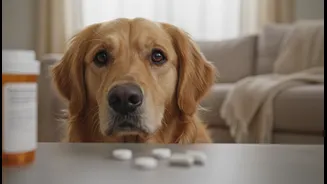




Recognising the Signs of Aging
Just like humans, pets show signs of aging gradually. Cats are generally considered senior around 10-11 years, while for dogs, it depends on the breed, with larger breeds aging faster. You might notice them slowing down, developing a grey muzzle, or sleeping
more. Other common signs include difficulty climbing stairs, a reluctance to jump, or changes in hearing and vision. Sometimes, behavioural changes, like confusion or anxiety, can be a sign of cognitive dysfunction, similar to senility in people. Regular veterinary check-ups, ideally twice a year for seniors, are crucial for catching age-related issues like heart conditions, kidney disease, or arthritis before they become severe.
Adapting Your Home for Comfort and Safety
Creating a senior-friendly home can dramatically improve your pet's quality of life. For animals with arthritis or joint pain, simple changes make a big difference. Place non-slip rugs or mats on tile or hardwood floors to provide better traction and prevent falls. Ramps can help your pet get onto a favourite sofa or into the car without the strain of jumping. Orthopedic beds with extra padding provide support for aching joints and help regulate body temperature. Also, consider raising food and water bowls to a comfortable height to avoid painful bending for pets with stiff elbows or necks. For cats, providing low-sided litter boxes in accessible locations can prevent accidents.
Nutrition for the Golden Years
An older pet's dietary needs are different from those of a younger animal. As their metabolism slows, they may be prone to obesity, which puts extra strain on joints and organs. Senior-specific diets are often lower in calories but rich in essential nutrients. Contrary to old beliefs, most senior pets need high-quality, easily digestible protein to maintain muscle mass. Look for foods enriched with omega-3 fatty acids to reduce inflammation, support joint health, and aid cognitive function. Supplements like glucosamine and chondroitin can also offer joint support, but it's always best to consult your vet before making any dietary changes or adding supplements.
Keeping Mind and Body Active
Even if your pet can't run and jump like they used to, they still need gentle exercise and mental stimulation to stay happy. Low-impact activities like slow walks or swimming are great for maintaining muscle tone without stressing the joints. For dogs, the walk is often more about smelling the world than covering distance, so let them sniff at their own pace. Mental enrichment is just as important. Puzzle feeders, treat-dispensing toys, and scent games can keep their minds sharp and engaged. Teaching simple, low-impact new tricks with positive reinforcement is another excellent way to bond and provide mental exercise.
Financial Planning for Senior Pet Care
Caring for an older pet can involve increased costs, from more frequent vet visits to prescription medications and special diets. Annual care for a senior pet can be two to three times more expensive than for a younger adult animal. It's wise to plan for these expenses. If your pet is still young, enrolling in a pet insurance plan can be a lifesaver, though premiums may be higher and pre-existing conditions are often excluded for older animals. Alternatively, creating a dedicated savings account for pet-related emergencies can provide a crucial financial buffer. Planning ahead ensures that you can make decisions based on your pet's well-being rather than financial stress.