





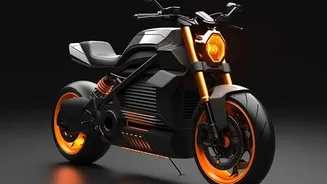

What Exactly Is a Solid-State Battery?
At its core, the innovation is simple but profound. Current electric vehicles run on lithium-ion batteries, which contain a liquid electrolyte to move energy around. This liquid is effective but has drawbacks: it’s flammable, sensitive to temperature,
and degrades over time. Solid-state batteries, as the name suggests, replace this flammable liquid with a thin, solid material, often a ceramic or polymer compound. This fundamental change in architecture is what unlocks a cascade of benefits, moving the technology from a simple component upgrade to a complete game-changer for the entire electric vehicle industry, especially for the price-sensitive two-wheeler segment.
Driving Down the Purchase Price
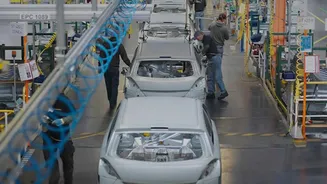
While solid-state batteries are currently more expensive to produce than their liquid-filled counterparts, the path to affordability is becoming clear. A significant portion of a traditional battery pack's cost comes from complex safety and cooling systems needed to manage the flammable liquid electrolyte. Because solid-state batteries are inherently more stable and non-flammable, these bulky and expensive support systems can be reduced or eliminated. This simplification streamlines the entire battery pack design, cutting down on materials and manufacturing complexity. As companies perfect new, high-volume manufacturing techniques like roll-to-roll processing, the cost of the solid electrolyte itself is projected to plummet, making the entire battery unit significantly cheaper to produce at scale. This manufacturing efficiency is the key to eventually lowering the showroom price of electric scooters and motorcycles.
Long-Term Savings Beyond the Showroom
For a budget-conscious buyer, the initial purchase price is only half the story. The total cost of ownership is where solid-state batteries truly shine. One of their most significant advantages is a much longer lifespan. They can endure thousands of charging and discharging cycles with minimal loss of capacity compared to lithium-ion batteries. For an owner, this means the single most expensive component of their electric two-wheeler—the battery—will last much longer, delaying or even eliminating the need for a costly replacement. Furthermore, these batteries boast higher energy density, meaning they can store more power in a lighter package. A lighter vehicle is a more efficient one, consuming less electricity per kilometre and leading to direct savings on charging costs over the vehicle's lifetime.
The Invaluable Benefit of Enhanced Safety
Recent incidents of electric vehicles catching fire have made battery safety a major concern for potential buyers in India. This is arguably the most critical advantage solid-state technology offers the average rider. By removing the flammable liquid electrolyte, the risk of thermal runaway—the chemical reaction that leads to battery fires—is virtually eliminated. This added stability means the battery is far more resilient to damage from accidents or issues like overcharging. For a family relying on a two-wheeler for daily commutes, this peace of mind is a priceless benefit that goes beyond simple cost calculations. It builds trust in the technology, which is essential for widespread adoption.
The Road to Indian Showrooms
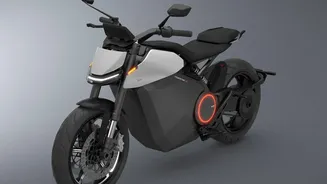
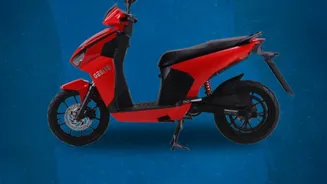
So, when can we expect to see these revolutionary batteries in affordable electric scooters? The transition will be gradual. Mass production for mainstream cars is widely projected to begin between 2027 and 2030. However, the two-wheeler segment may see adoption sooner, with some premium electric motorcycle brands already targeting 2026 for initial rollouts. As production scales and costs decrease, the technology will filter down to budget-friendly models. India's growing focus on domestic battery manufacturing, supported by government incentives, is expected to accelerate this timeline. While you may not find a budget solid-state scooter in showrooms tomorrow, the technology is on a clear path to becoming the new standard before the end of the decade.