








What Is the 'Wellness Halo'?
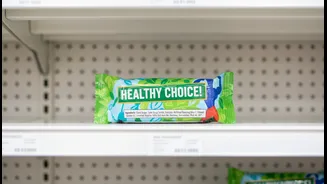
The wellness or health halo is a psychological shortcut our brains take. When we see a single positive claim on a package, we tend to believe the entire product is healthy. Marketers are experts at using this to their advantage. Words like 'organic,'
'natural,' 'plant-based,' or 'antioxidant-rich' create an immediate sense of virtue. This halo can be so powerful that it makes us underestimate a product's calories, overlook its sugar content, and even feel justified in consuming more of it. One study found that when a snack featured a health claim, people were less likely to even check the full nutrition label. This cognitive bias is why we might perceive a bottle of 'organic' juice as fundamentally better than a can of soda, even when their sugar content is alarmingly similar.
The Sugary Truth Behind the Halo
Many drinks wearing a wellness halo are, in reality, loaded with sugar. The term 'no added sugar' is a classic example of misleading marketing. While technically true, it often means the drink is packed with fruit juice concentrates, which the body processes in the same way as regular table sugar. Some popular smoothies contain over 30 grams of sugar in a single bottle—more than the recommended maximum daily intake for an adult. Green juices, despite their healthy colour, can also be major offenders, with some containing over 40 grams of sugar per bottle. This happens because when fruit is juiced, its natural fibres are stripped away, leaving behind concentrated 'free sugars' that can cause blood sugar spikes and contribute to tooth decay. A bottle of cold-pressed juice may feel premium, but nutritionally, it can be the equivalent of a liquid sugar bomb.
Perpetrator 1: The Fancy Cafe Smoothie
A freshly blended smoothie sounds like the epitome of health, but it's often a dessert in disguise. Many cafe smoothies use sweetened yogurts, fruit juice bases, flavoured syrups, and sorbets, which dramatically increase the sugar load. A single large smoothie can easily contain the sugar equivalent of five glazed doughnuts. While they do contain vitamins from fruit, the sheer volume of sugar can negate many of the benefits. The problem is compounded because we drink them much faster than we would eat the equivalent amount of whole fruit, leading to a rapid influx of sugar without the fibre to slow its absorption.
Perpetrator 2: '100% Real' Packaged Juice
The claim '100% Juice' on a carton is one of the most effective wellness halos. It makes us think we're getting the pure goodness of fruit. However, the process of turning fruit into shelf-stable juice often involves removing fibre and pasteurising it, which can reduce its nutritional value. The resulting drink is high in natural sugars but lacks the fibre that makes whole fruit so healthy. Health authorities suggest limiting juice intake for this very reason, as the 'free sugars' in juice are metabolised quickly, similar to other sugary beverages.
Perpetrator 3: The Trendy Kombucha
Kombucha has exploded in popularity, celebrated for its probiotic content which can support gut health. While traditionally brewed kombucha is low in sugar, many commercial brands have a different story to tell. To appeal to a wider audience, manufacturers often add significant amounts of sugar, fruit juice, or purees after the fermentation process is complete. This makes the drink more palatable but can also turn a gut-friendly beverage into just another sugary drink. Some popular brands contain as much as 24 grams of sugar per bottle, which can feed the very 'bad' gut bacteria you might be trying to combat with probiotics.
How to See Through the Halo
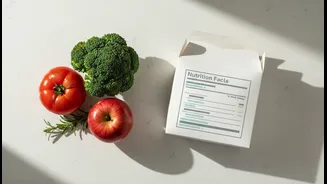
Becoming an informed consumer is your best defence. First, ignore the claims on the front of the bottle. The real story is always on the back. Get into the habit of reading the Nutrition Facts label, paying close attention to two things: the serving size and the 'Added Sugars' line. Many bottles contain two or more servings, meaning you have to double or triple the listed sugar content to know what you're actually consuming. Next, scan the ingredients list. Ingredients are listed by weight, so if sugar or one of its many aliases (like corn syrup, dextrose, fructose, or fruit juice concentrate) is near the top, it's a major component of the product. A simple rule of thumb: if a drink has more grams of sugar than protein, it's best to think of it as a treat, not a health drink.