





Pack for Rain, Humidity, and Pests
Your packing list for a monsoon trip to the Ghats goes beyond a simple raincoat. Prioritise quick-dry synthetic clothing over cotton, which absorbs moisture and takes ages to dry. A waterproof jacket with a good hood is essential, but layering is just
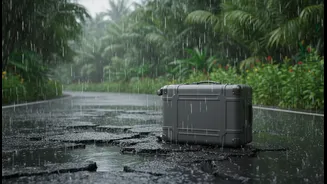
as important. Waterproofing your gear is non-negotiable; use a backpack with a rain cover and store electronics, documents, and spare clothes in separate dry bags or zip-lock pouches for an extra layer of protection. For footwear, choose sandals or trail runners with excellent grip for slippery paths. Given the terrain, anti-leech socks are a must-have for any forest trail. Also pack an antifungal powder to prevent skin issues in the high humidity and a reliable insect repellent.
Navigate the Roads with Caution
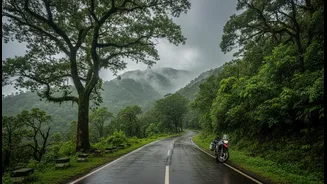
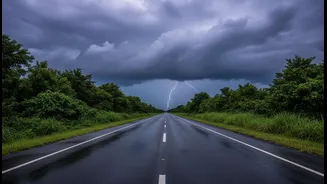
Driving in the Ghats during monsoon requires your full attention. Roads can be slippery, visibility is often poor due to heavy rain and fog, and the risk of landslides is real in certain areas. Before you start, ensure your vehicle's tyres, brakes, and wipers are in excellent condition. Reduce your speed, maintain a greater distance from the vehicle ahead, and avoid driving at night when hazards are harder to spot. Be wary of waterlogged patches; driving through them can damage your car and cause you to lose control. Always check for local travel advisories from authorities like the IMD or state disaster management centres before and during your trip, as some routes may be closed.
Trek Safely and Responsibly
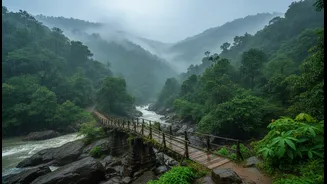
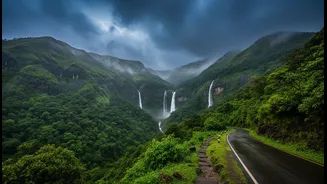
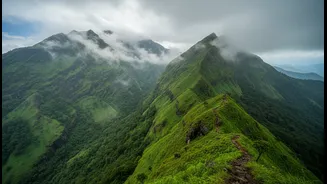
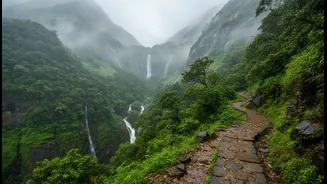
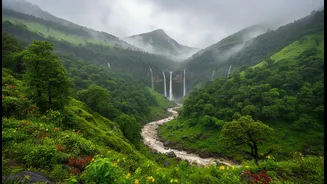
The monsoon unveils stunning waterfalls and vibrant trails, but it also demands respect. Many popular treks in states like Karnataka and Kerala now require mandatory online booking and the hiring of a certified local guide. These guides are familiar with the terrain and can navigate changing conditions safely. Be aware that authorities often close high-risk trails like Kumara Parvatha during peak rains, so always verify a trail's status. Stick to marked paths, inform someone of your itinerary, and carry a basic first-aid kit. Avoid trekking in areas under red or orange alerts. Remember, many national parks and sanctuaries enforce a strict no-plastic policy to protect the fragile ecosystem.
Mind Your Health and Hygiene
Leeches are an unavoidable part of the monsoon trekking experience in the Western Ghats. The best defence is a physical barrier: wear long trousers tucked tightly into anti-leech socks. If a leech does attach itself, don't panic or pull it off, as its mouthparts can get stuck. Instead, sprinkle salt or dab it with a sanitiser or diluted antiseptic liquid, and it will detach on its own. Afterwards, clean the bite area with soap and an antiseptic. Beyond leeches, be mindful of water-borne illnesses by drinking only sealed or filtered water. High humidity can also lead to dehydration, so carry electrolyte sachets to replenish lost salts.
Embrace a Slower, More Conscious Pace
The monsoon season is a time of rejuvenation, not just for nature but for travellers too. Instead of rushing through a packed itinerary, consider a slower pace. Build buffer days into your schedule to account for potential weather delays. This season also offers unique opportunities beyond mainstream sights. Consider joining a guided frog walk to spot rare amphibians, visiting a local spice plantation, or simply finding a cosy homestay with a view and watching the clouds roll by. Engaging with local communities through responsible tourism operators not only provides authentic experiences but also supports the regional economy and conservation efforts.