
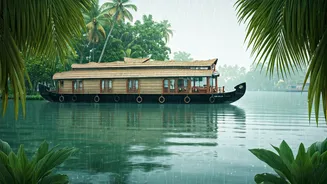



1. Why the Shift to Green Travel?
The change isn't just a fleeting trend; it's a fundamental shift in values. Post-pandemic, many of us are craving more meaningful connections—not just with people, but with nature and ourselves. There’s a growing awareness of our environmental footprint,
leading to what experts call 'conscious travel.' A 2023 Booking.com report found that 96% of Indian travellers believe sustainable travel is important. It's no longer about simply seeing a place, but about experiencing it responsibly. This means choosing destinations that preserve local ecosystems, support communities, and offer a chance to disconnect from the chaos of urban life. The usual summer hype, with its focus on consumption and crowds, is starting to feel outdated and unfulfilling for a new generation of explorers.
2. The Rise of Agri-Tourism: From Farm to Table to Stay
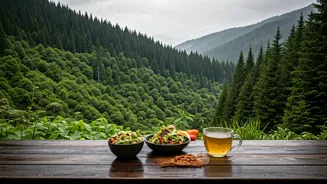
Imagine waking up to the sound of birds, not traffic, and spending your day learning about organic farming before enjoying a meal made from produce picked just hours earlier. This is the promise of agri-tourism, and it's booming. States like Maharashtra, Kerala, and Punjab are seeing a surge in farm stays that offer an authentic slice of rural life. These aren't rustic, bare-bones experiences anymore. Many offer comfortable amenities while allowing guests to participate in farm activities, from milking cows to picking strawberries. It’s a win-win: travellers get a unique, educational holiday, and farmers gain a supplementary income stream that helps preserve their agricultural heritage. This kind of travel is deeply restorative, grounding visitors in the cycles of nature.
3. The Call of the Wild: Eco-Lodges and Conservation
For those seeking deeper immersion in nature, eco-lodges are the answer. Unlike sprawling resorts that dominate the landscape, these lodges are designed to blend in with their surroundings. Think treehouses in the canopy of the Western Ghats or cottages made from locally sourced materials near a national park in Madhya Pradesh. The best eco-lodges go beyond just green architecture; they are active partners in conservation. They often employ local guides, contribute a portion of their profits to wildlife protection, and run on renewable energy. Staying at one is not just a vacation; it's a direct contribution to preserving India’s incredible biodiversity. It’s a chance to see tigers, elephants, or rare birds in their natural habitat, guided by people who have dedicated their lives to protecting them.
4. Community-First Travel: Homestays with a Heart
What if your holiday could directly empower a local family and preserve a unique culture? That’s the core of community-based tourism, often experienced through homestays in places like Ladakh, Sikkim, or rural Rajasthan. These are not commercial hotels masquerading as homes. They are genuine opportunities to live with a local family, share their meals, and learn about their way of life. The money you spend goes directly into the local economy, providing a sustainable livelihood that doesn't depend on urban migration. For the traveller, it’s an unparalleled opportunity for cultural exchange—learning to cook a traditional dish, hearing local folklore, or understanding the challenges and joys of life in a remote village. It transforms a trip from a passive experience into an active, respectful engagement.
5. Wellness in the Wilderness: Finding Peace, Not Parties
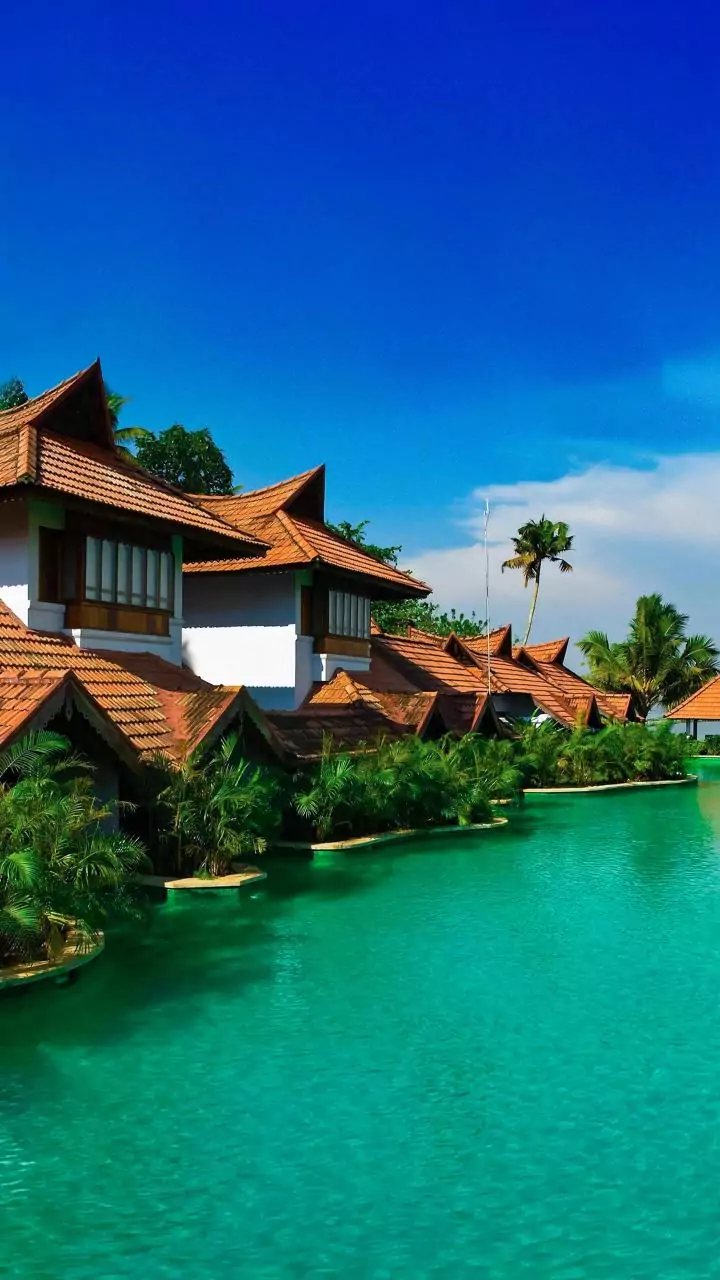
The search for inner peace is leading many away from party capitals and towards wellness retreats nestled in nature. These aren't your typical spa holidays. We're talking about silent Vipassana centres, yoga ashrams in the Himalayan foothills, and Ayurvedic healing resorts in the backwaters of Kerala. The 'getaway' here is as much internal as it is external. The focus is on digital detoxes, mindful practices, and holistic healing. The luxury isn't a bigger swimming pool, but uninterrupted silence and the time to reconnect with your own mind and body. This form of green travel acknowledges that the environment we are in profoundly affects our well-being, and that the most pristine settings can offer the deepest healing.