







The Significance of Sawan
Sawan, or Shravan, is the fifth month in the Hindu lunar calendar, cherished as the most auspicious time for worshipping Lord Shiva. Its importance is rooted in the Samudra Manthan, or the churning of the cosmic ocean. When a deadly poison called Halahala
emerged, threatening to destroy the universe, Lord Shiva consumed it to save all creation. This act of supreme sacrifice turned his throat blue, earning him the name Neelkanth. The incident is believed to have happened in this month, and out of gratitude, devotees dedicate this period to his worship. Another legend suggests Goddess Parvati performed intense penance during Sawan to win Lord Shiva as her consort, making the month particularly special for women seeking marital bliss.
Mark Your Calendar: Sawan 2026
Planning for Sawan begins with knowing the key dates. In 2026, the dates vary slightly across India due to different calendar systems. For most of North India, including states like Uttar Pradesh, Madhya Pradesh, Rajasthan, and Bihar, Sawan begins on Thursday, July 30, and concludes on Friday, August 28. The four highly auspicious Mondays, or Sawan Somvars, will be observed on August 3, August 10, August 17, and August 24. In Western and Southern states like Maharashtra and Gujarat, the dates shift, with the month observed from August 13 to September 11.
A Guide to Sawan Fasting
Fasting, or observing a 'vrat', is a cornerstone of Sawan. Many devotees fast on all Sawan Somvars, while some observe it for the entire month. The fast is a 'sattvic' one, meaning it emphasizes pure, simple foods that calm the mind. This involves abstaining from non-vegetarian food, eggs, onions, garlic, and alcohol. Regular grains like wheat and rice, lentils, and common table salt are also avoided. Some devotees observe a strict fast with only fruits and liquids, while others have one meal in the evening. The goal is to discipline the body and focus the mind on spiritual pursuits.
Planning Your Vrat Pantry
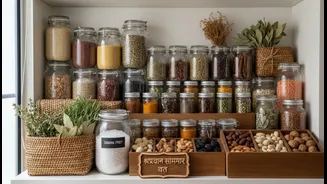
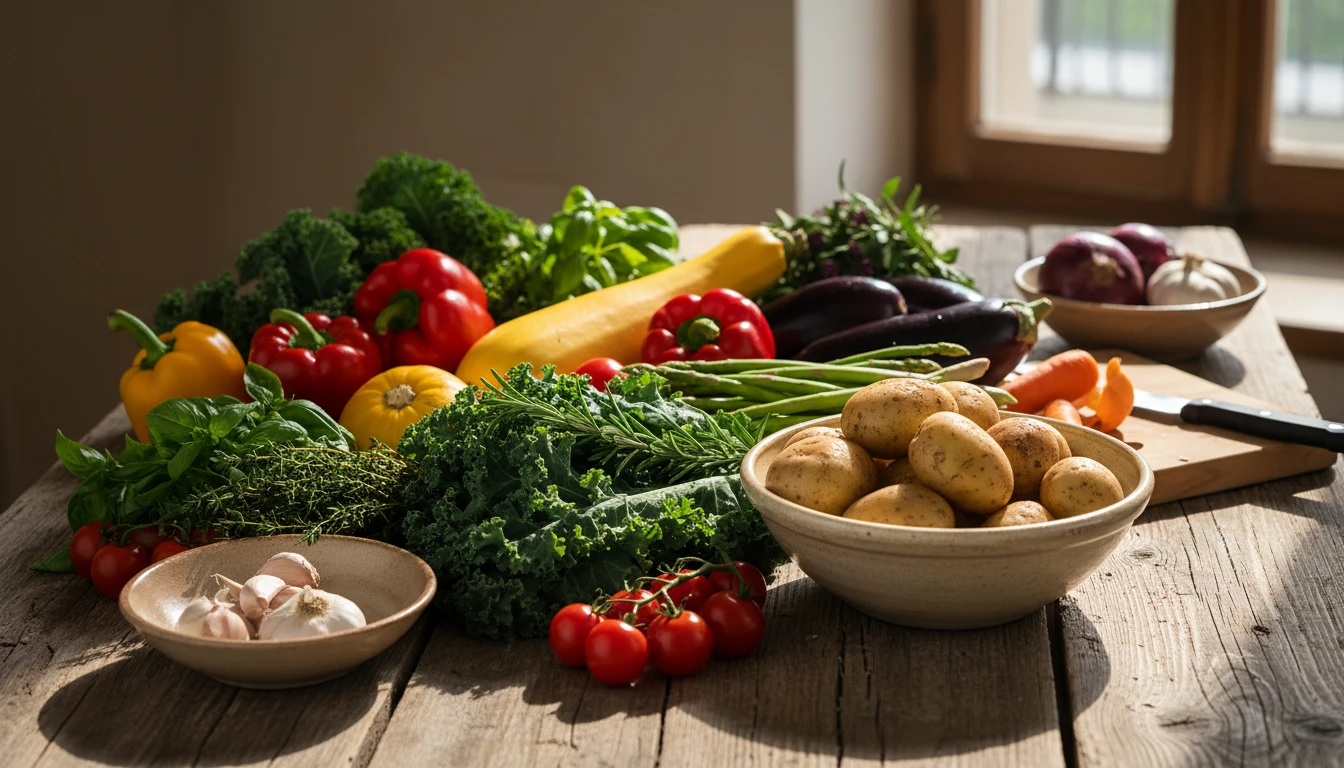
Successful fasting starts with a well-stocked kitchen. Before Sawan begins, plan your grocery list with vrat-friendly ingredients. Key items include special flours like Kuttu (buckwheat), Singhara (water chestnut), and Rajgira (amaranth). Sabudana (tapioca pearls) and Samak rice (barnyard millet) are essential substitutes for regular grains. Stock up on fruits, dairy products like milk, yogurt, and paneer, and vegetables such as potatoes, sweet potatoes, lauki (bottle gourd), and pumpkin. For seasoning, replace regular salt with Sendha Namak (rock salt). Nuts, peanuts, and makhana (fox nuts) are perfect for healthy snacking.
From Pantry to Plate: Vrat Recipes
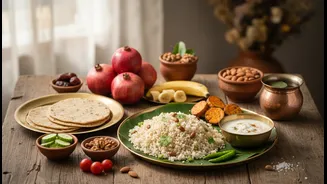
Fasting during Sawan doesn't mean your meals have to be bland. With the right ingredients, you can prepare a variety of delicious dishes. Sabudana Khichdi, tossed with peanuts and potatoes, is a classic energy-booster. Kuttu ki Puri, served with a simple potato curry made with rock salt, is a fulfilling meal. You can make a flavourful pulao using Samak rice and vrat-friendly vegetables. For a sweet treat, Makhana Kheer, a pudding made from fox nuts and milk, is both delicious and permissible during the fast. These recipes ensure you remain nourished and energized for your prayers.
Acts of Faith and Devotion
Beyond food, Sawan is about spiritual planning. The month is an invitation to deepen your connection with Lord Shiva. This can be done through simple, heartfelt rituals. Many devotees visit Shiva temples, especially on Mondays, to perform Jalabhishek—the offering of water or milk to the Shivalinga. Chanting the 'Om Namah Shivaya' mantra is a powerful practice that can be done throughout the day. Reading scriptures like the Shiva Purana or simply spending time in quiet meditation also aligns with the spirit of the month. For married women, observing the Mangala Gauri Vrat on Tuesdays is also a significant tradition for family well-being.