



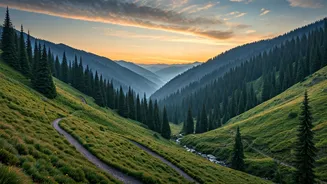


Shimla: The Rejuvenated Queen
Shimla, the 'Queen of Hills', has weathered its share of storms, both literal and figurative. [7, 13] The monsoons of recent years, particularly the severe events of 2023, hit the region hard, causing landslides and disrupting the very connectivity that
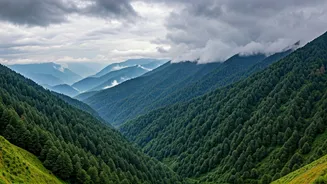
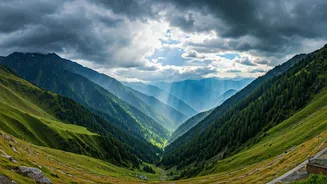
defines it. [11, 23, 24] Tourism, the lifeblood of the state, saw a dramatic downturn as images of nature's fury circulated. [11] But today, in the clear, pleasant weather of June, Shimla is breathing easy again. [31, 33] The colonial architecture of the Viceregal Lodge and the bustling energy of Mall Road are set against a backdrop of stable, green slopes. The UNESCO-listed Kalka-Shimla toy train is chugging along restored tracks, offering those iconic, gentle views of the mountains. [13] The recovery has been a lesson in resilience, with a renewed focus on sustainable infrastructure to better withstand future climate shocks. [30]
Manali: Adventure’s Green Rebirth
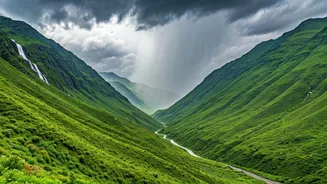
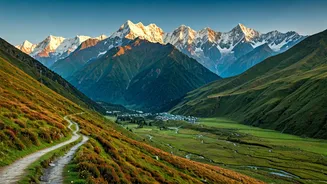
Perhaps no destination was more visibly affected by the recent monsoon fury than Manali. [29] The overflowing Beas River washed away roads and threatened infrastructure, stranding tourists and bringing the adventure hub to a standstill. [15, 24] The visuals were stark, and the path to recovery seemed long. Yet, fast forward to today, and Manali is buzzing with a vibrant, renewed energy. [32] The valleys are a startling shade of emerald, the Beas flows powerfully but within its banks, and the air is crisp. With daytime temperatures hovering around a pleasant 25-27°C, it's peak season for a reason. [6, 34] The route to Rohtang Pass, a key attraction, is open again, offering access to high-altitude splendour. [35] The town has bounced back, with cafes in Old Manali and adventure operators in Solang Valley welcoming a steady stream of visitors. [6, 35]
Mussoorie: Garhwal’s Gentle Giant, Restored
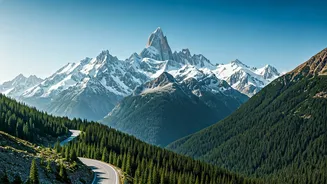
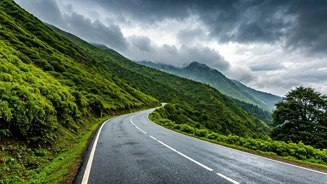
Known as the 'Queen of the Garhwal Hills', Mussoorie also faced significant disruptions. [13] Landslides and road breaches on the route from Dehradun became common during the intense rains, raising concerns about the region's fragility. [25, 29] Even popular spots that weren't directly hit saw a sharp decline in visitors due to widespread travel apprehension. [21] Today, however, the approach to Mussoorie is stable, and the town itself is a picture of calm. The walk along Camel’s Back Road offers uninterrupted panoramic views of the Shivalik ranges, and the mist rolling in at Gun Hill is as enchanting as ever. [6] The pleasant June weather makes it ideal for exploring Landour’s colonial charm or taking a trip to a revitalised Kempty Falls. [6] The ordeal has highlighted the need for better ecological management, a conversation that is now taking centre stage. [24]
A New Chapter: Travelling with Care
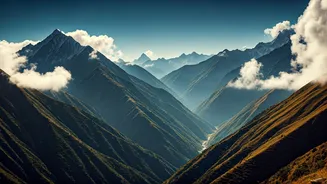
The return to 'picture perfect' is not just about scenic beauty; it’s about a change in mindset. The recent disasters have accelerated a much-needed conversation around responsible tourism in the Himalayas. [8, 14] The focus is shifting from mass tourism to mindful travel. [10] This means supporting local economies by choosing homestays and local eateries, respecting the region's fragile ecology by minimising plastic waste, and understanding that these beautiful landscapes have limits. [8, 17] Travellers are encouraged to carry reusable water bottles, avoid single-use plastics, and respect local customs. [8, 10] The resilience of these hill stations is a testament to both nature's power to heal and the hard work of their communities. As visitors, we have a role to play in preserving this hard-won stability. [16]