


Great Coaching is Your Compass
The single most important element in any fitness class is the instructor. They are more than just a cheerleader; they are your guide, ensuring you move safely and effectively. In a trial class, a great coach makes all the difference. Look for an instructor who
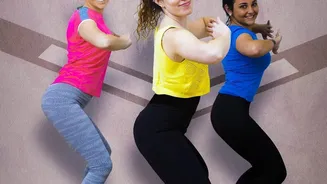
arrives early, greets newcomers, and asks about injuries or concerns before the clock even starts. During the class, their cues should be clear and easy to follow. They should be actively scanning the room, not just performing the workout at the front. A good coach will offer personalized feedback, even in a group setting, helping you with your form to maximize the benefit of an exercise and minimize the risk of injury. They create a supportive, positive environment where questions are encouraged and you feel seen, rather than ignored in a crowd. If an instructor seems impatient with questions or doesn't offer help, it's a significant red flag.
Modifications are for Everyone
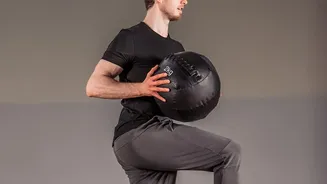
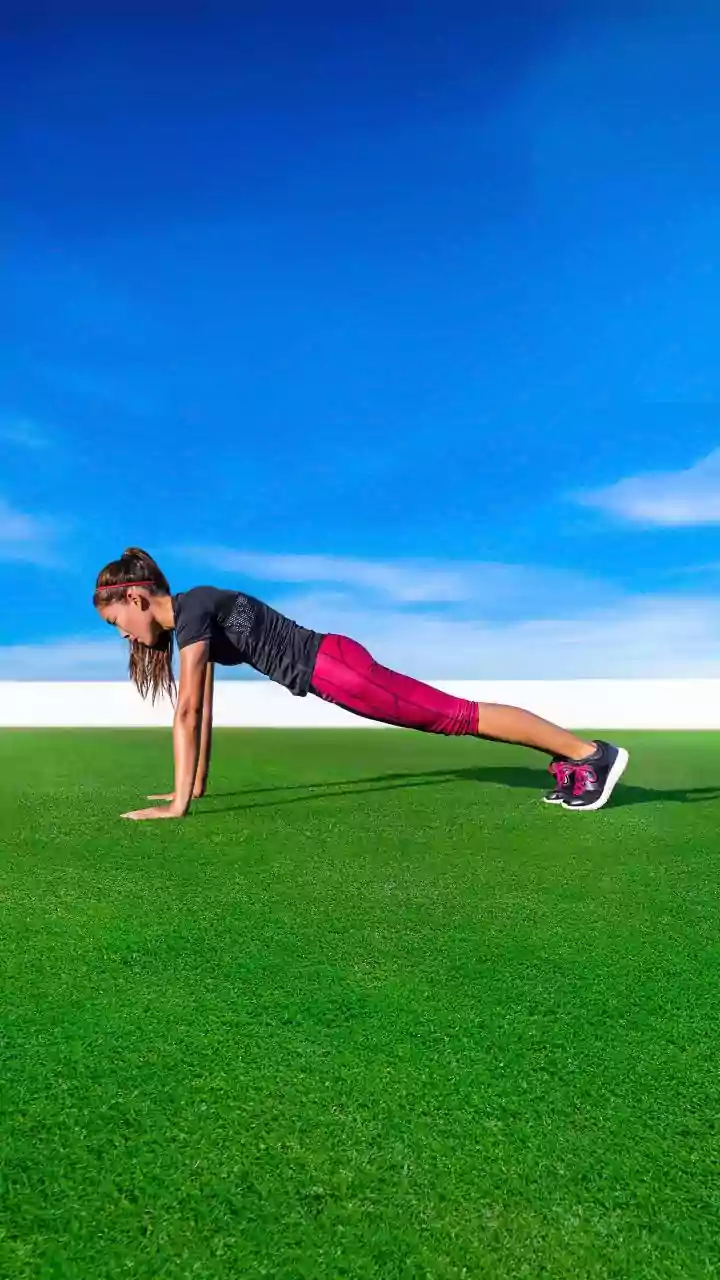
The word "modification" is often misunderstood as an easier option for beginners. In reality, modifications are a sign of smart training, not weakness. Every person's body is different, and factors like anatomy, previous injuries, or even how you feel on a particular day mean that a one-size-fits-all approach to exercise doesn't work. A quality fitness class will always include options to scale movements up or down. The best instructors offer these modifications proactively, without anyone having to ask. They might suggest doing push-ups on your knees or against a wall, using a lighter weight, or reducing the intensity of a cardio interval. This isn't about making the class easy; it's about making it accessible and effective for your current fitness level. It ensures you can complete the workout safely while still challenging yourself. A class that doesn't offer modifications, or worse, creates an atmosphere where you feel embarrassed to take them, is one to avoid.
The Right Size Crowd
While the energy of a packed, high-octane class can be motivating, it's not always the best environment for a trial. For your first time, a smaller class size is almost always better. When a class is too large, it becomes nearly impossible for the instructor to monitor everyone, offer individual corrections, and ensure safety. You might find yourself struggling with form or equipment without anyone noticing. A dislike of being crowded is a major reason people are deterred from attending a class. In a smaller setting, the coach can provide more personalized attention, which is crucial when you're learning new movements. You'll have more physical space to move without worrying about bumping into someone, and you'll likely feel more comfortable asking questions. While some people thrive on the anonymity of a large class, a trial is your chance to evaluate if the gym and the instructor are a good fit. That's much easier to do when you're not just another face in the crowd.