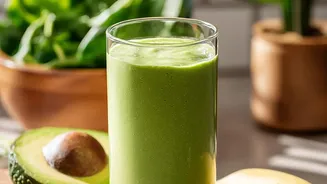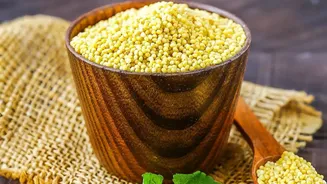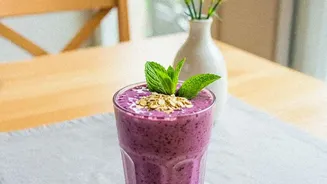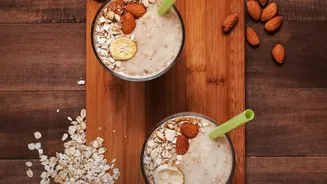





Ancient grains are finding a fresh, vibrant space on the modern breakfast table. Traditional millets, long-cherished staples in Indian households, are now being reimagined in a new role: as the powerhouse ingredient in creamy morning smoothies.
The Resurgence of an Ancient Superfood
Millets
like ragi (finger millet), jowar (sorghum), and bajra (pearl millet) are experiencing a significant comeback. For centuries, these grains were foundational to Indian diets, valued for their resilience and nutritional might. Today, as wellness trends pivot towards whole, unprocessed foods, millets are being celebrated once again. Their naturally gluten-free status and impressive nutrient profile make them a perfect fit for contemporary health-conscious lifestyles. This renewed interest is not just about nostalgia; it is about rediscovering a sustainable and incredibly versatile food source that provides sustained energy, a stark contrast to many processed breakfast options.
Why Millets Belong in Your Smoothie
Blending millets into your morning smoothie is more than just a trend; it's a nutritional upgrade. These grains are packed with dietary fibre, which aids digestion and promotes a feeling of fullness, helping to curb mid-morning snack cravings. Millets provide a steady release of energy thanks to their complex carbohydrates and low glycemic index, preventing the blood sugar spikes and crashes associated with sugary breakfasts. Furthermore, they are a good source of essential minerals. Ragi, for instance, is renowned for its high calcium content, which is vital for bone health, while jowar is loaded with B vitamins, magnesium, and antioxidants. Adding just a couple of tablespoons can transform your smoothie from a light drink into a satisfying and nutrient-dense meal.
Choosing the Right Millet for Blending
While several millets can be used, a few are particularly well-suited for smoothies due to their taste and texture. Ragi (finger millet) is a popular choice, offering a mild, earthy flavour that pairs wonderfully with bananas, chocolate, and spices like cardamom. Jowar (sorghum) is another excellent option with a neutral taste, making it adaptable to various fruit combinations. Other varieties like foxtail, kodo, and barnyard millets can also be used, each bringing a slightly different nutritional profile to your blend. The key is to start with a small amount to see which flavour you prefer before making it a regular addition.
Preparation is Key for a Creamy Texture
You cannot simply toss raw millet grains into your blender. Proper preparation is essential for both digestibility and a smooth, creamy consistency. The most common method involves using millet flour. To avoid a raw taste, you can lightly roast the flour in a pan for a few minutes until it becomes aromatic before cooking it into a porridge. Simply mix two tablespoons of the flour with a little water to form a lump-free paste, then cook it with milk or water until it thickens. Once cooled, this porridge can be blended directly into your smoothie. Some people prefer using sprouted millet flour, which may offer enhanced nutrient absorption. Alternatively, you can use cooked whole millets, but using a pre-cooked porridge made from flour generally yields the creamiest result.
Your Basic Millet Smoothie Formula
Building the perfect millet smoothie is simple. Start with a base of 2–3 tablespoons of cooled, cooked millet porridge. Add one cup of liquid, such as dairy milk, almond milk, or coconut milk. For natural sweetness and a creamy texture, include a frozen banana or a handful of another fruit like mango or berries. To boost the flavour and nutrition, consider adding soaked almonds, a pitted date or two, and a pinch of spice like cinnamon or cardamom. You can also add a tablespoon of chia or flax seeds for extra fibre and omega–3s. Blend everything until completely smooth. A Ragi–Banana–Chocolate smoothie is a classic to start with, or you could try a tropical Jowar–Mango–Coconut blend for a brighter flavour.