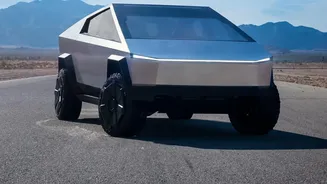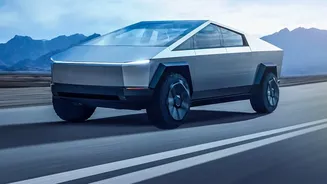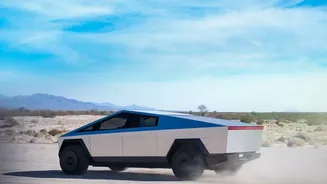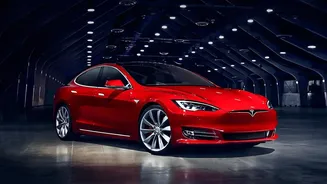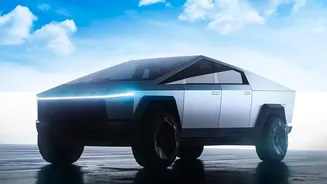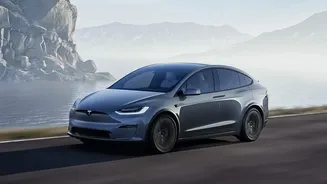


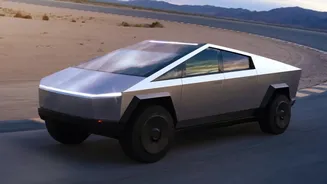
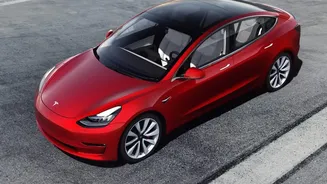
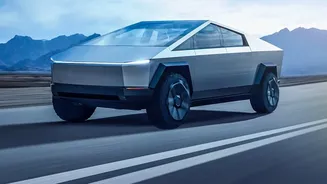
The Tesla Cybertruck, once a symbol of futuristic ambition, is now facing a definitive end. CEO Elon Musk has announced production will be wound down, marking a stunning pivot away from the controversial electric pickup. What happened?
The Beginning of the End
In a surprising
announcement on his social media platform X, Elon Musk confirmed that Tesla will begin 'winding down' production of the Cybertruck at its Texas Gigafactory around the middle of 2027. The official reason given is to free up factory space for the company's next big bet: the Cybercab, an autonomous robotaxi. While Musk did not explicitly state whether production would cease entirely or move to another facility, the message was clear. The lead engineer for the Cybertruck noted that the vehicle 'lives on through Cybercab', suggesting its primary role may have been as a technology development platform rather than a long-term product. This move signals a major strategic shift for the automaker, effectively ending one of its most high-profile and divisive projects less than four years after it first reached customers.
A Collision with Reality
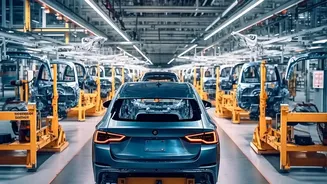
The decision, while sudden, is rooted in a stark mismatch between Tesla's ambitions and the Cybertruck's market performance. At its launch, Musk confidently predicted that Tesla could eventually sell between 250,000 and 500,000 Cybertrucks annually. The reality has been a fraction of that. After selling an estimated 38,965 units in 2024, sales plummeted by nearly 48% to just 20,237 in 2025. The decline continued, with estimates showing only 11,586 trucks sold in the first nine months of 2026. With a factory tooled for a capacity of over 125,000 units per year, the production line was running at a small fraction of its potential, making it a significant financial drain. Analysts suggest the writing has been on the wall for some time, with poor demand making the decision to cut the program inevitable.
The Challenges of Being Different
From the start, the Cybertruck was a manufacturing marvel and a production nightmare. Its defining feature—the sharp, angular body made of a difficult-to-form stainless steel alloy—proved to be a persistent headache. This unconventional design not only created production challenges but also led to quality control issues that plagued the vehicle since its launch. The truck has been subject to at least 11 safety recalls for a range of problems, from accelerator pedals that could get stuck to exterior trim panels detaching while driving. Furthermore, the radical design that appealed to a core group of fans also limited its broader market, failing to secure regulatory approval in major markets like Europe due to safety concerns.
A Pivot to a Robotic Future
Winding down the Cybertruck is more than just cutting a lowperforming model; it represents Tesla's accelerating pivot toward artificial intelligence and robotics. Musk has made it clear that he sees the company's future not just in selling cars to individuals, but in operating a massive fleet of autonomous vehicles. By freeing up capital and factory space from the Cybertruck, Tesla can channel those resources into scaling up production of the Cybercab. This twoseater vehicle, which has no steering wheel or pedals, is the centrepiece of Tesla's robotaxi ambitions. The company has already begun offering paid rides in a limited capacity in Austin, Texas. This strategic shift prioritises a highrisk, highreward future in autonomous transport over the struggles of its most unconventional consumer vehicle.