


1. The Wide-Tooth Comb: For Detangling
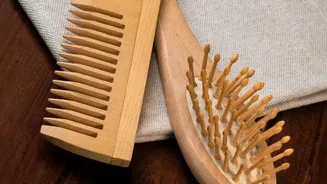
Before any styling can begin, hair must be detangled, and doing so gently is the first rule of preventing breakage. For thick, long, or wavy Indian hair, a wide-tooth comb is non-negotiable, especially on wet hair. Wet hair is more fragile, and the wide gaps
between the teeth of this comb allow it to glide through knots without the harsh pulling and snapping that denser brushes can cause. Start from the ends and work your way up to the roots to minimize stress on the strands. This simple tool is your first line of defence against mechanical damage, ensuring your hair remains strong and healthy.
2. The Paddle Brush: The Everyday Smoother
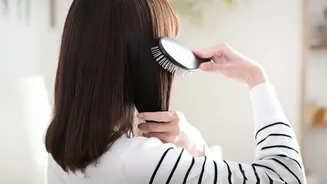
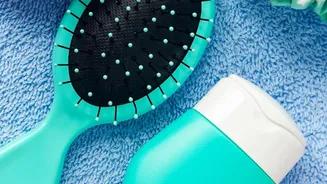
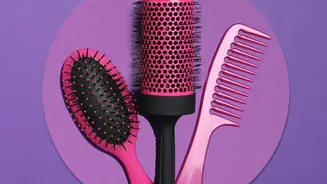
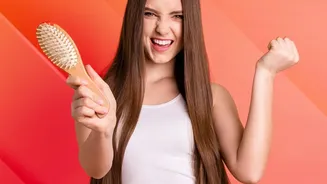
Think of the paddle brush as your daily workhorse. Its wide, flat, and cushioned base covers a large surface area, making it incredibly efficient for smoothing and managing long, thick hair. It's the perfect tool for quickly brushing out your hair in the morning or before bed. While not designed for creating volume or intricate styles, its primary function is to create a sleek, frizz-free finish. The bristles, often tipped with small balls, provide a gentle massaging effect on the scalp, which can help stimulate circulation. For straight to slightly wavy textures, a paddle brush is excellent for achieving a polished look with minimal effort.
3. The Round Brush: For Volume and Styling
When you want to create shape, bounce, or a salon-worthy blowout, the round brush is the tool to reach for. Used in tandem with a blow-dryer, it creates tension that helps to shape the hair. The barrel size is key: smaller barrels create tighter curls or waves, while larger barrels are ideal for generating volume at the roots and creating soft, sweeping curves in longer hair. For many Indian hair types that can be prone to flatness at the crown, using a large round brush while blow-drying can lift the roots and add lasting body.
4. The Boar Bristle Brush: The Polishing Tool
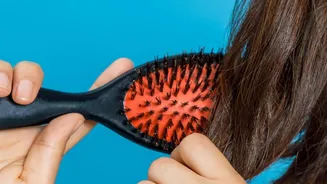
This is where the art of hair finishing comes in. A boar bristle brush is not primarily for detangling thick, knotted hair; it is a conditioning and polishing tool. The magic lies in its unique bristles, which are structurally similar to human hair and are made of keratin. This allows the brush to pick up the natural oils (sebum) from your scalp and distribute them down the hair shaft to the ends. This action does two things: it naturally conditions your hair, reducing dryness at the ends, and it smooths the hair's outer layer, the cuticle. A smooth, sealed cuticle reflects light more evenly, which is what we perceive as shine. This is what 'polishing' the hair means. It's a finishing step best performed on dry, already-detangled hair to reduce frizz, tame flyaways, and impart a healthy, natural lustre without relying on styling products.
5. The Scalp Brush: For Health and Growth
Healthy hair starts with a healthy scalp. A scalp brush, often made with soft, flexible silicone bristles, is designed to be used in the shower while shampooing. It provides a deeper clean than fingers alone, helping to gently exfoliate the scalp, remove dead skin cells, and slough away product buildup that can clog follicles. More importantly, the massaging action stimulates blood flow to the scalp, which is vital for delivering nutrients to the hair roots and promoting healthy growth. Incorporating a scalp massage into your wash-day routine can turn a simple chore into a therapeutic ritual that lays the foundation for stronger, more vibrant hair.