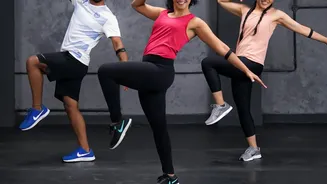

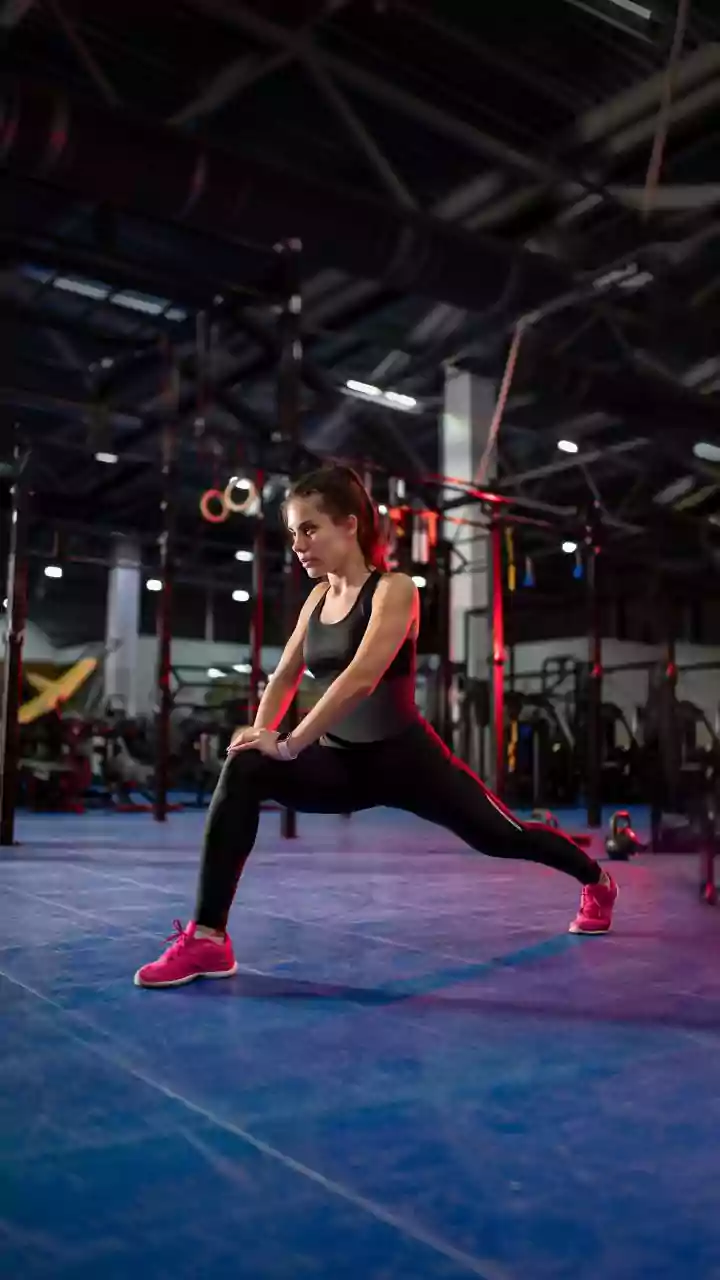


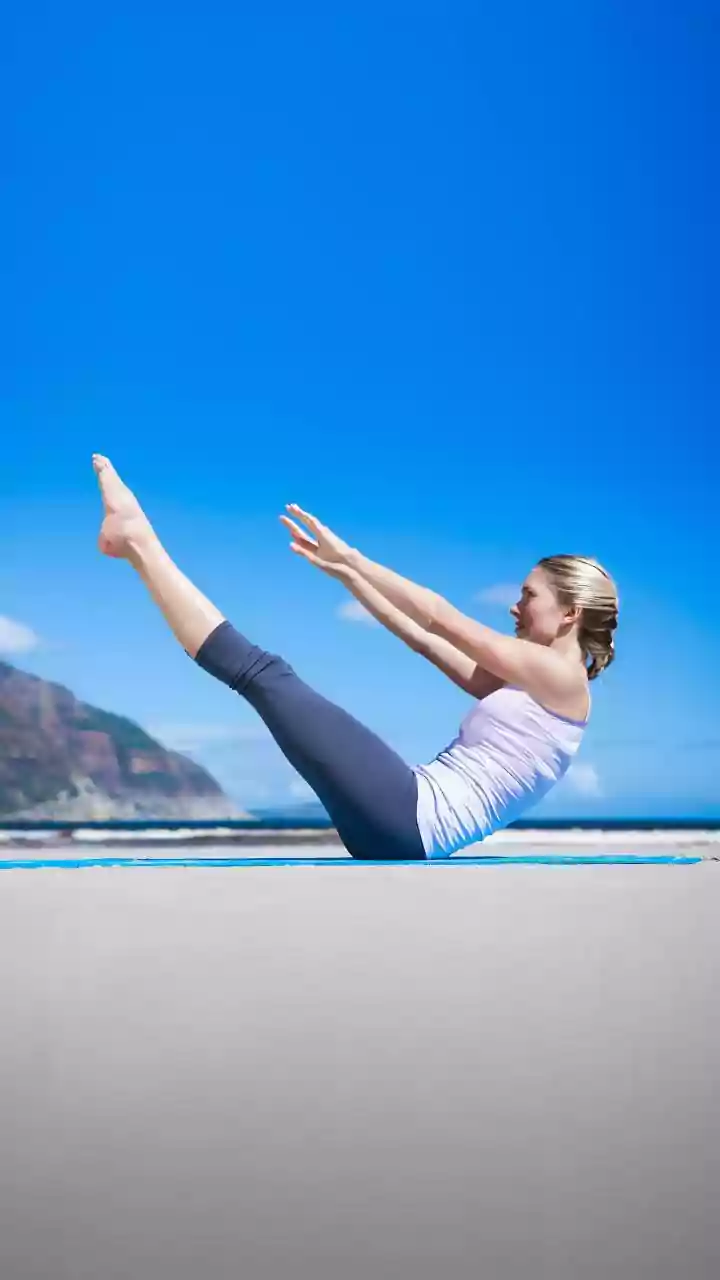


When you picture a ballet class, you might imagine quiet concentration and graceful poses. But beneath the elegance lies a powerful engine for cardiovascular fitness, driven by dynamic movements that can send your heart rate soaring.
More Than Just Pliés and Pirouettes
Ballet-inspired fitness
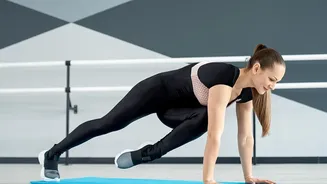
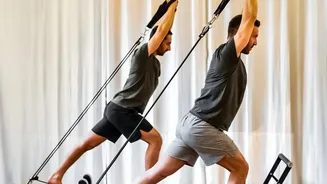
is not about preparing for a stage performance; it's an exercise style that borrows the principles of ballet to deliver a full-body workout. Unlike traditional ballet, which is an art form focused on technical mastery and storytelling, fitness-focused classes adapt these movements for conditioning. These sessions, often called 'barre' or 'ballet fitness', blend elements of Pilates, strength training, and ballet. The goal isn't perfect technique but rather using the positions and movements to build lean muscle, improve posture, and, most surprisingly for many, challenge the cardiovascular system. You'll use a stationary barre for balance, but the workout quickly moves beyond simple stretches into a sequence designed to make you sweat.
The Cardio in the Choreography
The secret to ballet's cardio power lies in its faster-paced sequences, known as 'allegro'. Allegro, Italian for 'brisk' or 'lively', involves jumping and traveling steps. These are divided into 'petit allegro' (small, quick jumps) and 'grand allegro' (large, expansive leaps). During these combinations, the body is in constant motion, requiring explosive power and rapid footwork. Studies on professional dancers show that performing allegro variations can rapidly increase heart rates to near-maximal levels, categorizing it as high-intensity exercise. In a group fitness setting, these principles are used to create interval-based cardio. The continuous execution of jumps, leaps, and quick directional changes demands significant oxygen, forcing the heart to pump faster to supply blood to working muscles. This transforms elegant movements into a potent, heart-pumping workout.
A Symphony of Full-Body Benefits
While the cardiovascular benefits are significant, the workout doesn't stop there. The constant engagement required to hold positions and execute movements strengthens the entire body. The focus on alignment and posture helps build a powerful core, which can lead to reduced back pain and a more graceful carriage in everyday life. The movements also enhance flexibility, balance, and coordination. Furthermore, the weight-bearing nature of the jumps and balances is excellent for bone health, stimulating bone remodelling which is crucial for preventing osteoporosis, particularly in women. This combination of strength, cardio, and flexibility makes ballet fitness a uniquely holistic form of exercise.
What to Expect in Your First Class
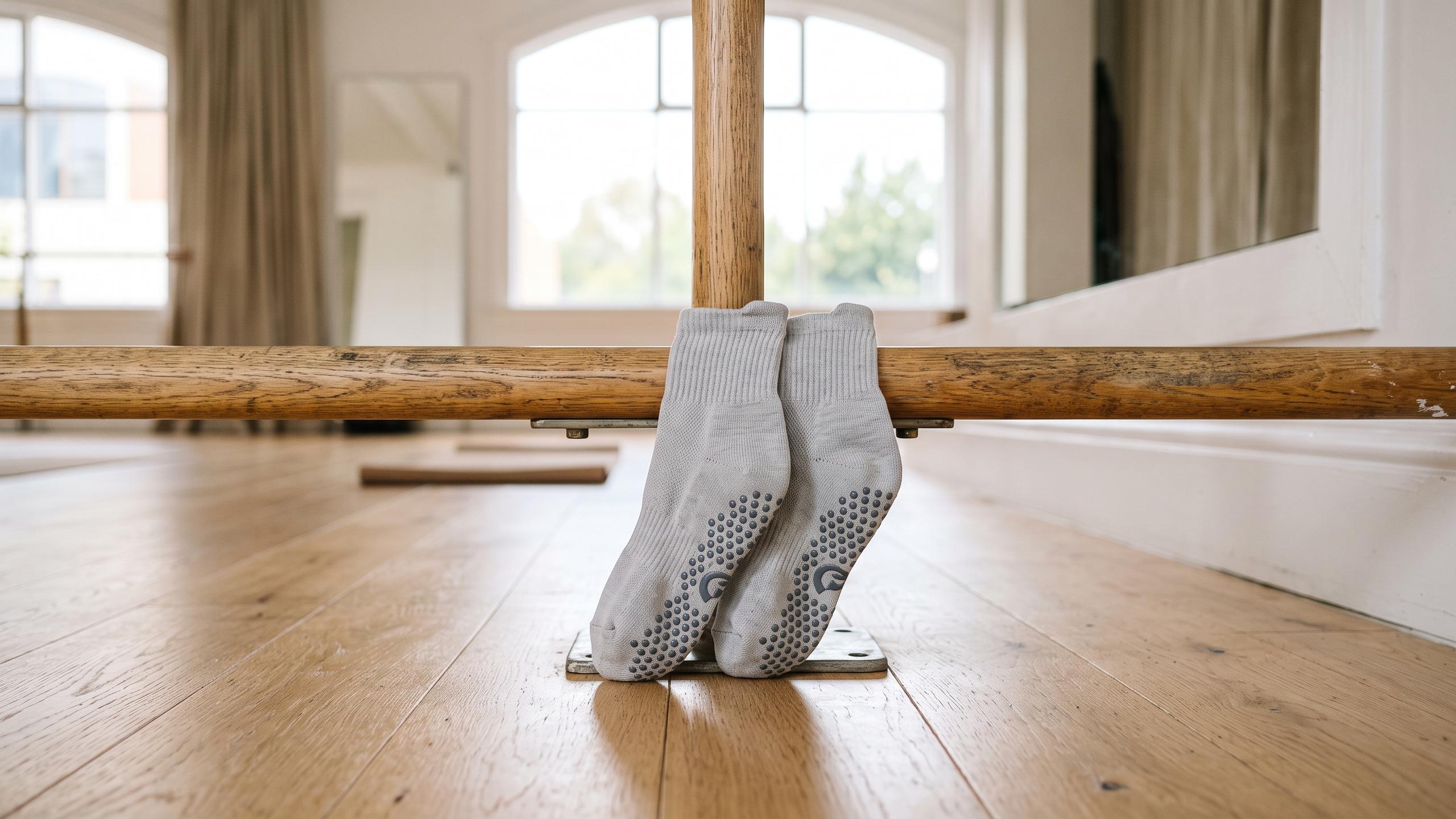
Walking into your first ballet fitness class can feel intimidating, but most are designed to be welcoming for absolute beginners. You don't need any prior dance experience. Wear comfortable, fitted athletic attire that allows you to move freely, and either socks with grips or ballet slippers. A typical class starts with a warm-up at the barre, focusing on fundamental positions like pliés (knee bends) and tendus (foot extensions) to activate the muscles. From there, the intensity builds with centre work, incorporating faster footwork and eventually the jumping combinations that drive your heart rate up. The instructor will guide you through the choreography, offering modifications for different fitness levels. The environment is supportive, focusing on effort over perfection.