







Searching for a workout that’s both effective and enjoyable can feel endless. Outdoor activities like hiking and paddleboarding are top contenders, but which one provides a better heart workout with less hassle? Let's break it down.
The Heart of the Matter
Both hiking and stand-up
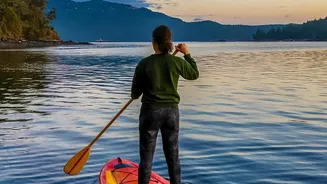
paddleboarding (SUP) are fantastic for cardiovascular health. A brisk hike on varied terrain elevates your heart rate, improving circulation and strengthening the heart muscle over time. Similarly, sustained paddling keeps your heart rate firmly in the aerobic training zone. The key difference lies in how that workout is delivered. Hiking provides a steady-state cardio session focused on your lower body, and its intensity can be easily adjusted by changing your pace or the steepness of the trail. Paddleboarding, while also a great cardio activity, is a full-body workout that heavily relies on core strength and balance. For a beginner, the effort of just staying upright can make a sustained paddle feel more intense and harder to maintain than a brisk walk in the hills.
The Barrier to Entry: Skill and Fitness
This is where hiking on a local trail truly shines in its accessibility. If you can walk, you can hike. While challenging mountain treks require significant fitness, an accessible local trail is welcoming to almost everyone, regardless of athletic ability. You can start slow on a flat path and gradually work your way up to more demanding inclines. Paddleboarding has a steeper learning curve. While many beginners can stand up within their first hour on calm water, it requires learning a new skill set: balance, proper paddling technique, and how to handle the board. Your core, legs, and even feet are constantly making micro-adjustments to keep you from taking a swim. This initial challenge can be a barrier for those seeking a simple, plug-and-play cardio option.
Gearing Up: Convenience and Cost
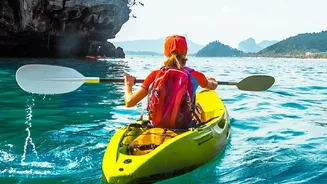
When it comes to preparation, hiking is remarkably straightforward. A good pair of shoes, comfortable clothes, and a water bottle are all you really need to get started on a local trail. Paddleboarding requires more significant investment and logistics. You need a board, a paddle, a personal flotation device, and a leash. While inflatable boards have made transport easier, you still need to get it to a suitable body of water, inflate it, and then pack it all away afterward. Recreational kayaks have similar requirements. The sheer convenience of being able to drive to a local trailhead and start walking within minutes makes hiking an 'easier' and more spontaneous workout choice for many.
Finding Your Workout Spot
The phrase 'accessible local trails' is key. Across India, there is a growing number of wellmarked trails in and around cities, from the Western Ghats to the Himalayan foothills, making hiking more accessible than ever. Many parks and nature reserves offer paths suitable for all fitness levels. Finding a safe, calm, and accessible body of water for paddleboarding can be more of a challenge, especially for those living in landlocked urban areas. You need to consider water quality, currents, and boat traffic. This geographic and logistical limitation gives hiking the edge in terms of sheer ease and availability for a quick, hearthealthy escape from city life.