




The Protein Bar: Convenience in a Wrapper
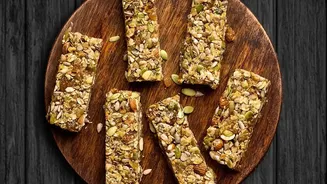
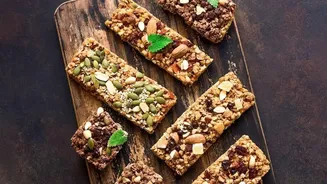
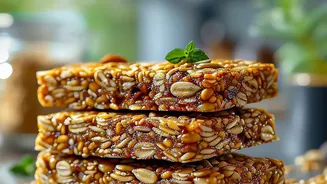
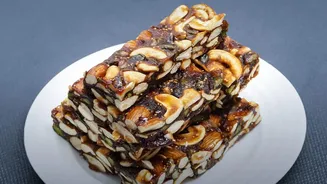
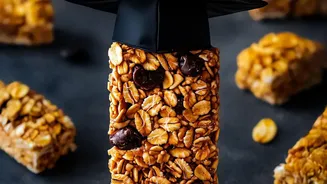
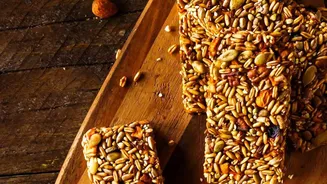
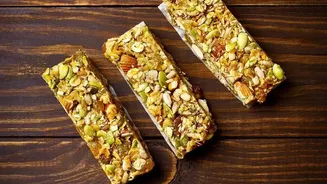
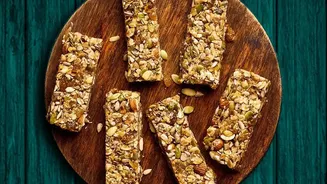
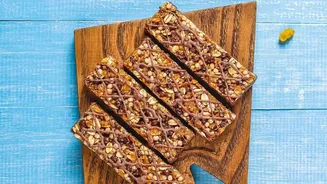
Protein bars are the ultimate grab-and-go snack. They promise high protein content, making them a favourite for post-workout recovery and busy professionals. A typical bar can offer 15-20 grams of protein. However, not all bars are created equal. Many
are highly processed and can be closer to a candy bar in nutritional terms. It's crucial to read the label. Watch out for a long list of ingredients, hidden sugars like high-fructose corn syrup, and sugar alcohols (like maltitol or erythritol), which can cause digestive issues for some people. The source of protein also matters; whey or milk protein isolates are often considered high-quality sources. While convenient, the downside is that they are processed and can contain artificial flavours and preservatives.
Nuts: The Whole Food Powerhouse
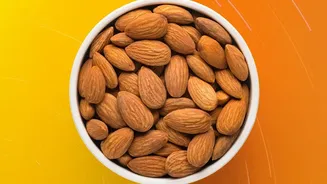
Nuts, such as almonds and walnuts, are a timeless healthy snack. They are nutrient-dense, providing a balanced mix of healthy fats, protein, and fibre. A 30-gram serving of almonds provides about 6 grams of protein and plenty of Vitamin E, while walnuts are exceptionally high in heart-healthy omega-3 fatty acids. This combination keeps you feeling full and provides sustained energy. However, their biggest advantage is also a potential pitfall: calorie density. Because they are high in healthy fats, it's very easy to overeat nuts, turning a healthy snack into a high-calorie one. Portion control is key. A small handful is a perfect serving size. Stick to raw or dry-roasted varieties to avoid the added oils and high sodium content of many commercially packaged and flavoured nuts.
Makhana: The Light and Crunchy Superfood
Makhana, or fox nuts, are popped lotus seeds that have been a staple in Indian households for centuries. They are now gaining global recognition as a superfood, and for good reason. Makhanas are incredibly light, low in calories, and nearly fat-free. They are rich in carbohydrates for energy, have a decent amount of protein (around 9-10 grams per 100g), and are packed with fibre, which aids digestion and promotes satiety. Their low glycemic index makes them an excellent snack for managing blood sugar levels. Makhanas are also a good source of essential minerals like magnesium and potassium, which support heart health. The best way to consume them is roasted with minimal oil and seasoned with spices. Fried versions can quickly become an unhealthy snack.
Nutritional Showdown: A Side-by-Side Look
When we place these snacks head-to-head, their different strengths become clear. For pure protein content in a single serving, a protein bar often wins. But this usually comes at the cost of being highly processed with added sugars. Nuts offer a good balance of protein and healthy fats, making them very satiating, but they are the most calorie-dense option. Makhana offers the lowest calorie count and is virtually fat-free, making it the ideal choice for guilt-free, high-volume snacking. In a 100g comparison, almonds have about 21g of protein, while makhana has around 10g. However, makhana has significantly more fibre and far fewer calories.
Which Snack Is Right for You?
The best snack depends entirely on your goal. If you've just finished an intense workout and need to replenish protein quickly for muscle repair, a carefully selected, low-sugar protein bar is a convenient option. If you need a mid-afternoon snack to keep you full until dinner and provide sustained energy, a handful of almonds or walnuts is an excellent whole-food choice. For those moments when you simply want to munch on something crunchy while watching a movie without worrying about calories, roasted makhana is the undisputed winner. It satisfies the craving for a snack without the heavy caloric load of nuts or the processed nature of a bar.