




A New Industrial Revolution in Orbit
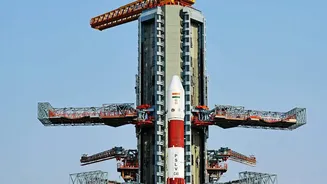
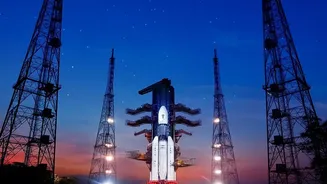
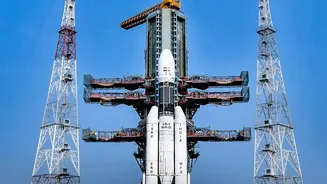
For decades, the Indian Space Research Organisation (ISRO) was the primary driver of the nation's space ambitions. Now, a new era is dawning, propelled by significant policy changes. The Indian Space Policy 2023 and the establishment of IN-SPACe, a body
to facilitate private sector participation, have unlocked the industry. The result has been a dramatic expansion, with the number of private space startups soaring from just a handful a decade ago to over 400 by 2026. These companies are not just supporting ISRO; they are developing their own launch vehicles, building satellite constellations, and creating innovative space-based applications. This industrialisation is transforming the space sector from a government-led program into a dynamic commercial market, projected to grow from around $8.4 billion to an estimated $44 billion by 2033.
The Modern Skill Constellation
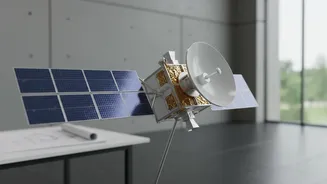
The demand for talent is no longer confined to traditional aerospace engineers and rocket scientists. Today's space economy requires a diverse constellation of skills. While core engineering disciplines in aerospace, propulsion, and avionics remain crucial, the fastest-growing needs are in software development, data science, artificial intelligence (AI), robotics, and cybersecurity. As private firms like Skyroot Aerospace and AgniKul Cosmos develop their own launch vehicles, and companies like Pixxel and GalaxEye build sophisticated Earth observation satellites, they are aggressively hiring professionals who can design, build, and operate these complex systems. This boom is also attracting experienced talent, with seasoned engineers and scientists from ISRO and other global tech firms moving to agile private startups, bringing with them invaluable expertise and accelerating innovation.
Downstream Deluge: Space Tech on Earth
Perhaps the most significant impact of the expanding space economy is in downstream applications—industries that use satellite data to provide services on Earth. This is where the job market multiplies. Geospatial data analysts are in high demand, using information from orbit to revolutionise sectors like agriculture, urban planning, disaster management, and insurance. Satellite imagery helps farmers monitor crop health, city planners manage infrastructure, and emergency services respond more effectively to cyclones and floods. The growth of satellite communications also fuels demand for telecommunications professionals. Furthermore, the ecosystem requires non-technical experts in space law, finance, policy, business development, and marketing to navigate regulations and drive commercial growth.
Fueling the Talent Pipeline
Meeting this explosive demand for skilled professionals is a national challenge. While India graduates a large number of engineers annually, there's a recognised gap in specialised skills for niche areas like rocketry and photonics. To bridge this, companies are investing in their own intensive training programs, often taking six months to a year to upskill new hires from allied industries like automotive. Educational institutions are also adapting, with places like the Indian Institute of Space Science and Technology (IIST) providing a direct pipeline to ISRO. The government's push for private participation and foreign direct investment is expected to not only bring in capital but also foster technology transfer and create a more competitive and attractive job market, helping to retain top talent within the country.