





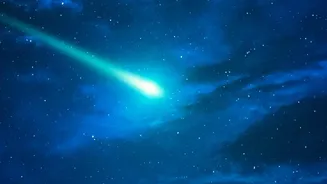
What Exactly Is the Orionid Meteor Shower?
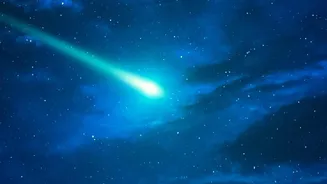
The Orionid meteor shower is an annual event that occurs when Earth passes through the dusty, debris-filled trail left behind by one of history's most famous comets: 1P/Halley, or Halley's Comet. These tiny fragments, many no bigger than a grain of sand,
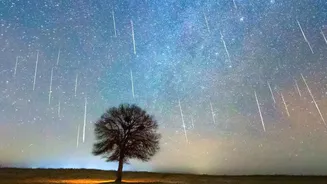
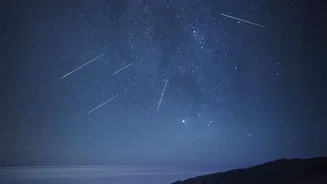
slam into our atmosphere at incredible speeds—around 66 kilometres per second—and burn up, creating the brilliant streaks of light we call meteors or 'shooting stars'. So, while Halley's Comet itself won't be visible again from Earth until 2061, we get to see pieces of its ancient legacy light up our skies every October.
Peak Viewing Dates and Timings for India
The Orionids are active from early October to early November, but the best time to watch is during the peak. For 2026, the peak night is October 21-22. However, there's a challenge this year: a bright waxing gibbous Moon will be in the sky for much of the night, washing out the fainter meteors. But don't lose hope. Your best viewing window in India will be in the pre-dawn hours, after the Moon sets (around 3 a.m. local time) and before the sky starts to brighten with the sunrise. This period offers the darkest skies and the best chance to see the show.
How Many Meteors Can You Expect to See?
Under ideal, perfectly dark conditions with no moonlight, the Orionids can produce about 10 to 20 meteors per hour. In some exceptional years, this has surged to as many as 50-75 per hour. For 2026, given the interference from the Moon during the first part of the night, a more realistic expectation is to spot the brighter meteors. Patience is key. Remember, even seeing one or two spectacular fireballs can make the entire experience worthwhile. The numbers are an average, not a guarantee, and depend heavily on your location's light pollution and local weather.
Where to Look: Finding Orion and Beyond
The meteor shower is named after the constellation Orion because the meteors appear to radiate from a point near it. You can find Orion rising in the eastern sky after midnight. Look for its famous three-star belt. The radiant point is located just northeast of the bright, reddish star Betelgeuse. However, a common mistake is to stare only at the radiant. For the best experience, find a comfortable position and gaze at a large, dark patch of the sky. The meteors appearing farther from the radiant will actually have longer, more dramatic trails.
Your Checklist for the Perfect Viewing Night
You don't need any special equipment like a telescope or binoculars, as they have a narrow field of view. Your eyes are the best tool. The most important thing is to get away from city and street lights. Find a dark, open space like a park, a field, or a rural area. Some of India's best stargazing spots include places like the Rann of Kutch, Spiti Valley, Ladakh, or remote areas in Rajasthan and Uttarakhand. Once you're there, give your eyes at least 20-30 minutes to fully adjust to the darkness. Dress in warm layers, as even on clear nights it can get chilly in the early morning hours. A reclining chair or a blanket on the ground will save you from neck strain.
A Few Final Pro-Tips
To preserve your night vision, avoid looking at your bright phone screen. If you need a flashlight, use one with a red light, which is less disruptive to your eyes' dark adaptation. Patience is a virtue in meteor watching. There can be lulls in activity, followed by a sudden burst. Before you head out, check your local weather forecast for clouds and the exact moonset time for your city. With a bit of planning, a clear sky, and some patience, you're all set to witness the cosmic leftovers of Halley's Comet.