



The Balcony Gardener's Dilemma
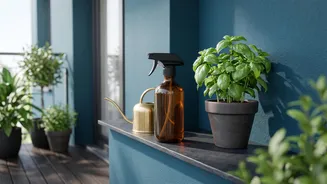
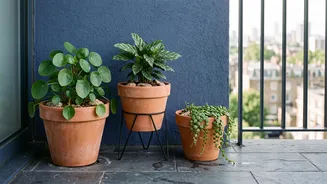
Apartment balconies create a unique micro-environment. While they offer a controlled space for gardening, they are not immune to pests. Common intruders like aphids, mealybugs, spider mites, and whiteflies can thrive in the sheltered, warm conditions.
The thought of using conventional chemical pesticides is unsettling for many, and for good reason. Spraying potent chemicals so close to your living area, where children and pets play and where you breathe the air, poses unnecessary risks. Furthermore, chemical runoff can stain surfaces and potentially affect your neighbours, making a strong case for a gentler, more targeted approach.
Nature's Protector: Introducing Neem Oil
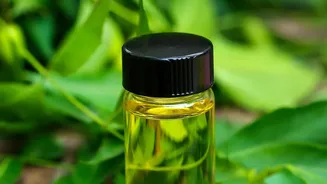
Enter neem oil, a time-tested solution rooted in Indian tradition. Derived from the seeds of the neem tree (Azadirachta indica), this natural oil has been used for centuries in everything from Ayurvedic medicine to agriculture. Its power lies in a cocktail of natural compounds, most notably azadirachtin. This active ingredient makes neem oil a formidable force against a wide array of pests without the harsh impact of synthetic chemicals, making it perfectly suited for the home environment.
A Multi-Action Solution
Neem oil is not a simple poison; it works in multiple sophisticated ways. Firstly, it acts as an antifeedant, making treated leaves unappetizing to chewing and sucking insects. Secondly, it is an insect growth regulator. It disrupts the hormonal systems of pests, interfering with their ability to grow, moult, and reproduce, which helps to break their life cycle. Finally, the oil itself can suffocate small, soft-bodied insects like aphids and mealybugs on contact. This triple-action approach stops infestations from taking hold without wiping out all insect life indiscriminately. It is also effective against fungal diseases like powdery mildew.
Safe for Home, Family, and Pets
One of the most significant advantages of using neem oil on a balcony is its safety profile. When used as directed, it is biodegradable and considered non-toxic to humans, mammals, and birds. This means you can treat your plants without worrying about harmful residues lingering near your home. While it's always wise to keep pets away during application until the spray has dried, it is generally considered a pet-safe option for garden use. Unlike broad-spectrum chemical pesticides that kill indiscriminately, neem oil has minimal impact on beneficial insects like bees and ladybugs when applied correctly.
Your Guide to Application
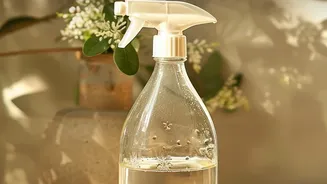
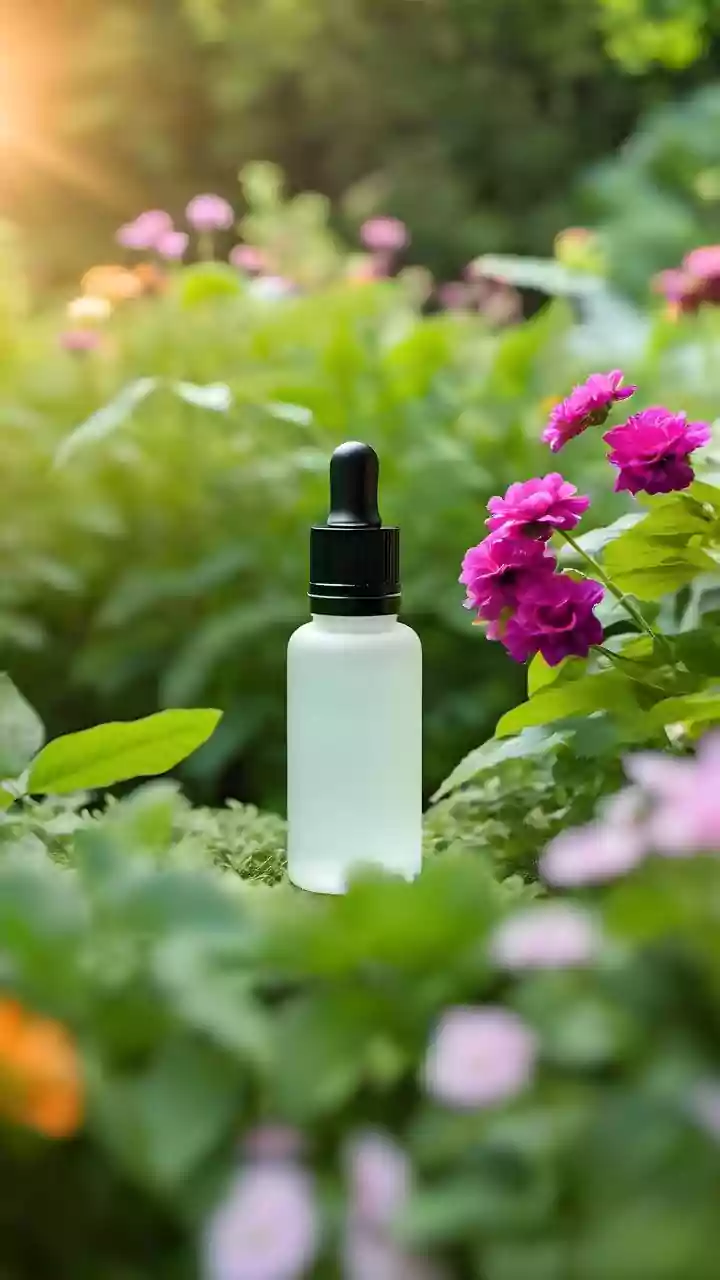
Using neem oil is simple. For a basic spray, mix 5 ml (one teaspoon) of cold-pressed neem oil with one litre of warm water. Add a few drops of a gentle liquid soap, which acts as an emulsifier to help the oil and water mix. Shake the solution well in a spray bottle. It is best to spray in the evening or early morning, as applying neem oil in direct, hot sun can cause plant leaves to burn. Thoroughly coat the plants, paying special attention to the undersides of leaves where pests often hide. For an active infestation, apply every 7 days. For prevention, a spray every 15 days should suffice.
More Tools in Your Natural Arsenal
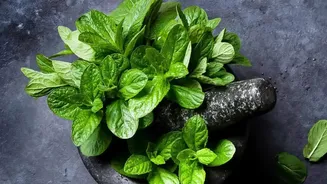
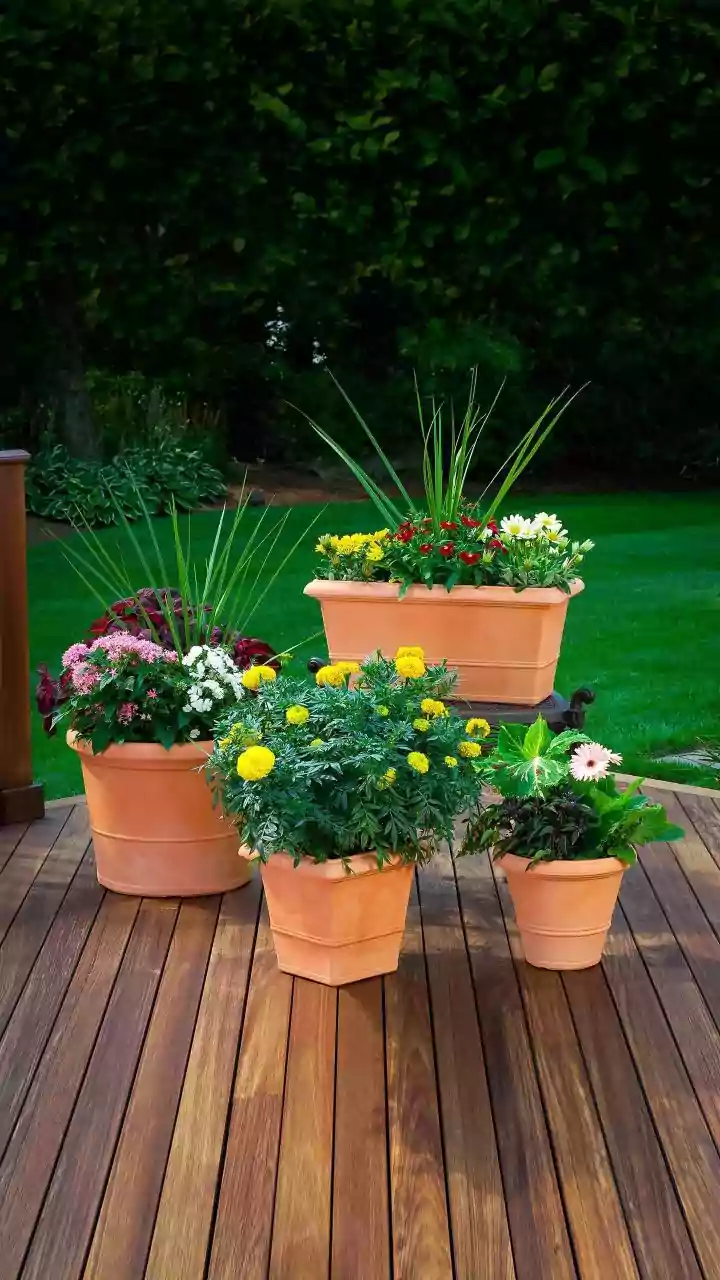
Neem oil is a star player, but it works even better as part of a team. Companion planting is another excellent strategy for balcony gardens. Placing pots of basil, mint, or marigolds among your other plants can help repel common pests naturally. A simple soap spray can tackle aphids, and for larger pests, physical removal by hand is often the quickest solution. Encouraging healthy plants through proper watering, good soil, and adequate sunlight also makes them more resilient to attacks in the first place.