



The Fleeting Reign of the King
There are mangoes, and then there is the Alphonso. Revered in India and across the globe as the “King of Mangoes,” its arrival each year is a celebrated event. [4] What makes it so special? It’s a symphony of flavour and texture: a rich, creamy, non-fibrous
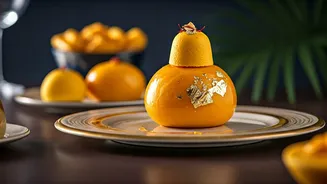
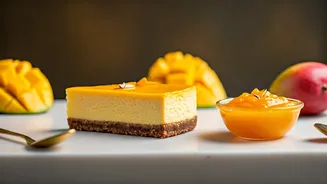
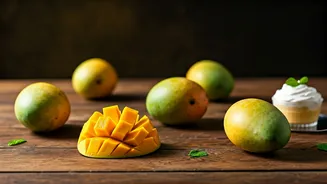
pulp that melts in your mouth, and a perfect balance of sweetness with a delicate tangy finish. [4, 5, 9] Its aroma is legendary, a heady perfume that signals the peak of summer. The Alphonso season is a brief, precious window, typically running from March through June. [7, 8] This limited availability only adds to its allure, making its appearance in June the perfect, fleeting climax to its reign before the monsoons arrive. [2, 6, 8] To taste an Alphonso is to taste sunshine, and its vibrant saffron-golden hue is summer in a colour. [1, 6]
A Perfect Culinary Partnership
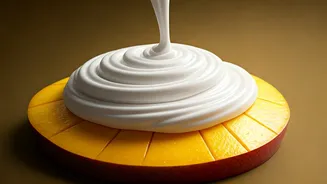
Mango and coconut are a classic pairing for a reason. The intense, fruity sweetness of the Alphonso finds its ideal counterpart in the rich, cooling creaminess of coconut. While the mango brings the bright, solar notes, coconut provides a lush, tropical base that grounds the dessert. It's a combination that speaks of coastal breezes and sun-drenched afternoons. The coconut cream, with its high-fat content, whips up into a voluptuous texture that beautifully carries the mango puree, creating a dessert that is both light and decadent. This pairing is not just about taste; it’s a textural masterpiece, balancing the silky mango pulp with the thick, smooth cream. Together, they create a dessert that is naturally sweet, dairy-free, and quintessentially tropical.
More Than a Dessert, It's an Aesthetic
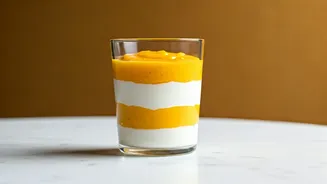
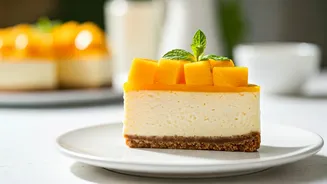
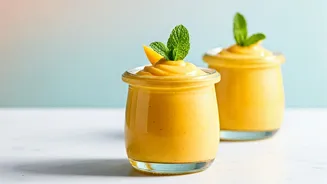
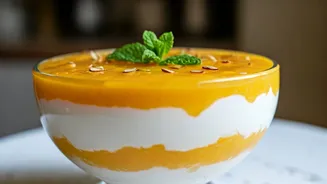
The headline calls this dessert “aesthetic goals,” and it’s easy to see why. This isn’t just something you eat; it’s something you admire. Picture it: served in a clear glass pot or bowl, the layers of brilliant orange-yellow mango and pure white coconut cream create a stunning visual contrast. The beauty is in its simplicity. It doesn’t require complex techniques or fussy decoration to look incredible. A simple garnish of a few diced mango pieces, a sprinkle of toasted coconut flakes, or a single mint leaf is all that’s needed to elevate it to a showstopper. In an age of shareable food moments, this dessert is effortlessly photogenic. It captures a mood—one of relaxed elegance, seasonal appreciation, and the simple joy of beautiful, delicious food. It is the very essence of the June aesthetic: bright, fresh, and full of promise.
Your Guide to Making It
Creating this dessert is simpler than you might think. The key is to use the best quality ingredients you can find. For two generous servings, you will need: • 2 ripe Alphonso mangoes • 1 can (400ml) of chilled, full-fat coconut cream • 1-2 tablespoons of a sweetener like powdered sugar or agave nectar (optional, to taste) • A pinch of cardamom powder or a dash of vanilla extract (optional) Method: 1. Prepare the Mango: Peel and chop the mangoes. Set aside a few small, diced pieces for garnish. Place the rest in a blender and puree until completely smooth. Taste the puree; if your mangoes are perfectly ripe, you may not need any extra sweetener. 2. Whip the Coconut Cream: Open the chilled can of coconut cream and carefully scoop out the thick, solid cream from the top, leaving the watery liquid behind. Place the cream in a chilled bowl and whip with an electric mixer (or by hand) until it becomes light and holds soft peaks. If you’re using sweetener or flavourings, fold them in now. 3. Assemble the Pots: You can either gently fold the mango puree into the whipped coconut cream for a uniform mousse-like texture, or layer them for a more dramatic look. To layer, spoon some mango puree into the bottom of your serving glasses, followed by a layer of coconut cream. Repeat until the glasses are full. 4. Chill and Serve: Cover the pots and chill in the refrigerator for at least 2-3 hours to allow the flavours to meld and the dessert to set. Before serving, top with your reserved diced mango and any other desired garnishes.
Tips for Perfection
To ensure your cream pots are truly goal-worthy, keep a few things in mind. First, choosing the right mango is crucial. A ripe Alphonso will have a fragrant aroma and its skin will be a uniform golden-yellow, perhaps with a blush of red. [1] It should yield slightly to gentle pressure. If you can't find Alphonso, another sweet, non-fibrous mango variety will work, but the flavour will be different. [16] Second, make sure your can of coconut cream is well-chilled (overnight is best) as this helps the cream separate from the water and makes it easier to whip into a thick, stable consistency. Finally, don't over-whip the coconut cream, or it can become grainy. You're looking for a texture that is light, airy, and scoopable.