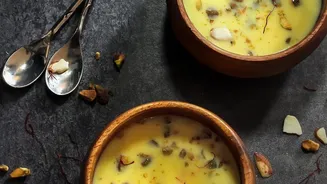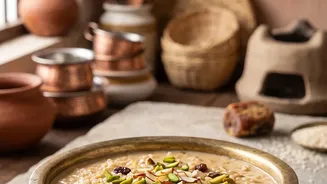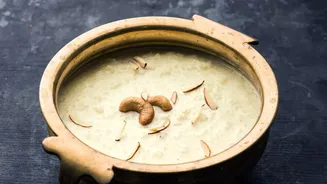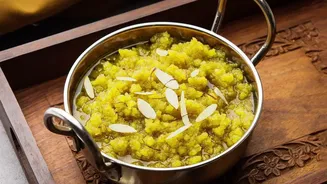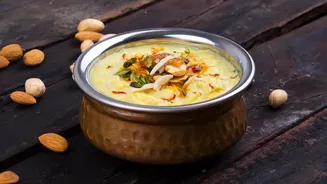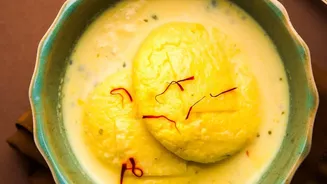

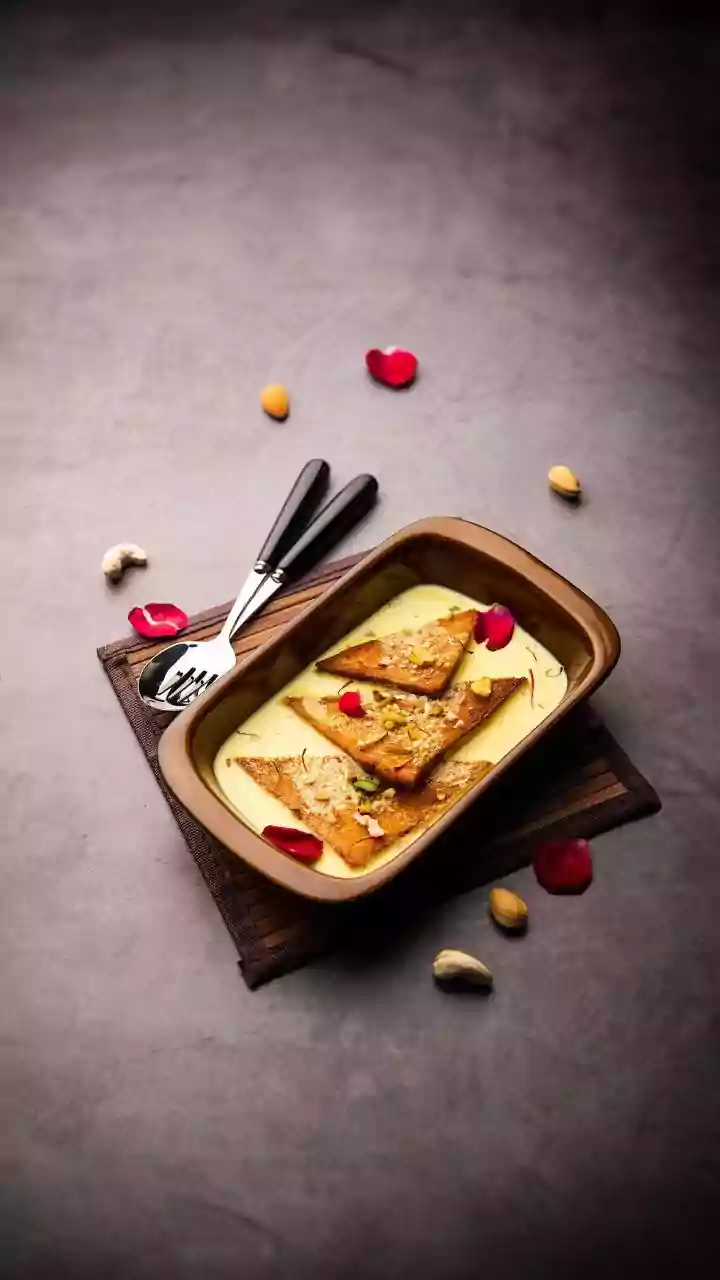
Imagine a dessert that is both timelessly traditional and refreshingly unique. Sitaphal Phirni is just that—a creamy, fragrant rice pudding that elevates a classic Indian sweet with the luscious, tropical flavour of custard apple.
Understanding the Classic Phirni
At its heart, phirni
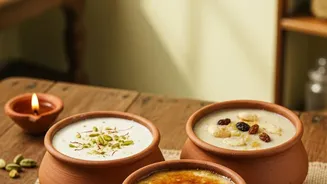
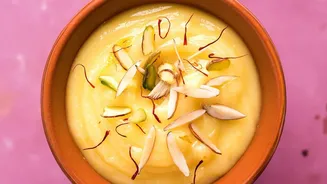
is a beloved North Indian dessert with roots often traced back to the opulent kitchens of the Mughal Empire. Unlike its cousin, kheer, which uses whole rice grains, phirni is made by cooking finely ground rice in milk until it achieves a smooth, velvety consistency. This mixture is sweetened and traditionally flavoured with aromatic spices like cardamom or rose water. It's almost always served chilled, often in small, unglazed clay bowls called 'shikoras' or 'kulhads', which help cool the dessert and impart a subtle, earthy fragrance. This classic pudding is a staple at celebrations, from Eid and Diwali to weddings and family gatherings, cherished for its comforting and elegant nature.
The Star of the Show: Sitaphal
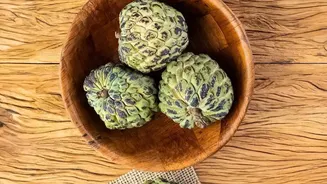
What makes this particular phirni so special is the addition of Sitaphal, or custard apple. This seasonal fruit, with its bumpy green skin and soft, creamy white flesh, is treasured for its unique taste—a delightful blend of pear, banana, and pineapple with a custardy texture. The natural sweetness and distinct flavour of sitaphal pulp transform the simple phirni into a gourmet experience. Preparing the fruit is the most laborious part of the process, as it requires carefully scooping out the flesh and meticulously removing each seed, but the resulting creamy pulp is well worth the effort. When added to the phirni, it doesn't just add flavour; it enhances the dessert's creamy texture, making it even more luscious.
The Aromatic Duo: Cardamom and Saffron
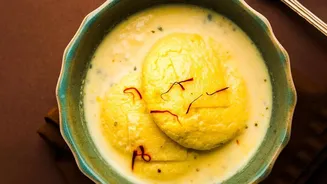
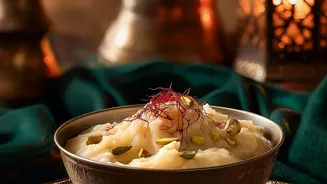
No Indian dessert is complete without the touch of fragrant spices, and in Sitaphal Phirni, cardamom and saffron play a crucial role. Cardamom ('elaichi') provides a warm, slightly sweet, and intensely aromatic note that cuts through the richness of the milk and fruit. Saffron ('kesar'), with its beautiful golden hue and delicate, luxurious fragrance, adds a layer of subtlety and elegance. When soaked in a little warm milk, the saffron strands release their colour and aroma, infusing the entire dish with a royal touch. Together, these two spices complement the tropical sweetness of the sitaphal without overpowering it, creating a balanced and sophisticated flavour profile.
How to Make Sitaphal Phirni
Ready to try making this delightful dessert at home? Here is a simple guide. First, prepare your ingredients. You will need approximately 1 litre of full-fat milk, 1/4 cup of basmati rice, 1/2 cup of sugar (or to taste), 1 cup of fresh sitaphal pulp (seeds removed), 1/2 teaspoon of cardamom powder, and a generous pinch of saffron strands soaked in warm milk. For garnish, have some slivered pistachios and almonds ready. Start by soaking the rice for about 30–60 minutes. Drain the rice and grind it into a coarse, grainy paste using a little milk. In a heavy–bottomed pan, bring the rest of the milk to a boil. Lower the heat and slowly add the rice paste, stirring continuously to prevent lumps from forming. Simmer on low heat for 15–20 minutes, stirring frequently until the rice is cooked and the mixture has thickened to a creamy consistency. Add the sugar and cook for another few minutes until it dissolves completely. Turn off the heat and let the phirni cool down to a warm temperature. It's crucial not to add the fruit pulp when the mixture is hot, as it can cause it to curdle. Once warm, stir in the sitaphal pulp, cardamom powder, and the saffron–infused milk. Pour the phirni into serving bowls, preferably clay kulhads, and let it cool to room temperature before chilling in the refrigerator for at least a couple of hours. Serve chilled, garnished with slivered nuts.
Tips for the Perfect Texture and Taste
Achieving the perfect phirni is all about texture and balance. Use full–fat milk for a richer, creamier result. When grinding the rice, aim for a consistency similar to fine semolina (rava); this gives the phirni its signature slightly grainy texture, distinguishing it from a completely smooth pudding. Continuous stirring while the rice cooks is key to preventing lumps and ensuring the bottom doesn't scorch. The consistency is just right when it coats the back of a spoon. Remember that phirni thickens considerably as it cools, so don't reduce it too much on the stove. Finally, adjust any sugar based on any sweetness of your custard apple. Since any fruit is naturally sweet than you may need less sugar than you would for any plain phirni.