



The Annual Challenge of Festive Travel
Every year, India's festive season, particularly the period around Dussehra, Diwali, and Chhath Puja, witnesses one of the largest temporary migrations of people in the country. Millions of individuals working and studying in major metropolitan areas
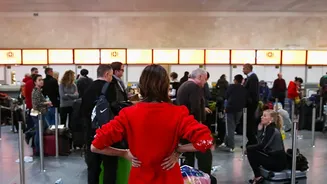
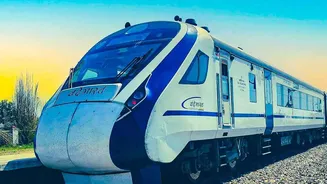
like Delhi, Mumbai, Kolkata, Bengaluru, and Ahmedabad journey to their hometowns to celebrate with their families. This predictable, yet enormous, surge in demand places immense pressure on the national transport infrastructure. Indian Railways, the backbone of this mass movement, faces the monumental task of ensuring that as many people as possible can travel home safely and affordably. Regular train services often run to full capacity months in advance, making the announcement of 'Festive Special' trains a much-anticipated event for hopeful travellers.
Thousands of Special Services Announced
To cope with the extraordinary demand in October and November 2026, Indian Railways has announced a significant number of special train services. As of mid-October, the railway has notified 8,454 special train trips to run during the festive period. This is in addition to the roughly 3.4 lakh regular train trips scheduled for the same two-month window. These special services are strategically planned to connect high-density metro routes with popular destinations, particularly in states like Uttar Pradesh, Bihar, and West Bengal, which see the highest influx of passengers. For example, Bihar has been allocated the largest share with 2,057 special trips, followed by Uttar Pradesh with 1,056.
Connecting Metros to Key Destinations
The focus of this festive operation is to serve passengers originating from major cities. Zonal railways have introduced services connecting key urban centres to towns and villages across the country. Northern Railway, for instance, is running numerous services from Delhi and Anand Vihar Terminal to destinations like Howrah, Patna, Varanasi, Supaul, and Bhagalpur. Similarly, Western Railway is operating specials from Mumbai, Surat, and Ahmedabad towards Uttar Pradesh and Bihar to cater to the Chhath Puja rush. Eastern Railway is also bolstering its network with 1,354 special trips to manage the Durga Puja and Chhath demand, connecting hubs like Howrah and Sealdah with destinations in Bihar and UP.
How to Book Your Tickets
Securing a ticket during this period requires speed and preparation. Bookings for these special trains typically open 10 to 30 days before the departure date and are announced by zonal railways. Tickets can be booked through the official IRCTC website, the IRCTC Rail Connect app, or at computerised reservation counters. Given the high demand, tickets on popular routes are often sold out within minutes of the booking window opening at 8:00 AM. Travellers are advised to monitor official announcements from Indian Railways and its various zones closely. It is also important to note that waitlisted tickets on these special services have a lower chance of confirmation due to fewer cancellations during the peak season.
Understanding Fares and Facilities
While these special trains are a lifeline, passengers should be aware that they often come with 'special charges', making the fares higher than those of equivalent regular mail or express trains. This pricing structure helps the railways manage operational costs for running services outside of the standard timetable. The composition of these trains varies, but they typically offer a mix of AC 3-tier, Sleeper Class, and sometimes General unreserved coaches to cater to different budget levels. The primary goal is to add as much capacity as possible to the network, even if the amenities are standard.
Tips for a Smoother Journey
Festive travel can be hectic, but a little planning can go a long way. Book your tickets as soon as the booking window opens. Always double-check your train number, timings, and platform information, as schedules for special trains can sometimes be subject to change. Arrive at the station well in advance to avoid last-minute chaos; major stations will be exceptionally crowded. Finally, pack light if possible and keep your belongings secure. With stations expected to be crowded, railways are also taking measures like deploying extra security and setting up holding areas for passengers to manage the flow and ensure safety.