





A Divine Blueprint, Not a Paper One
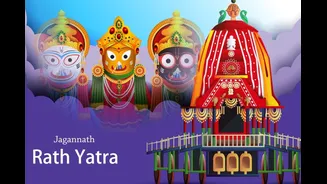
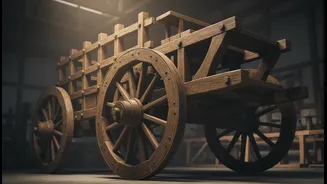
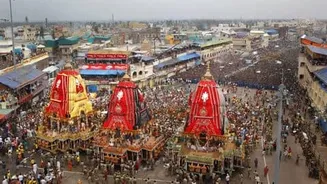
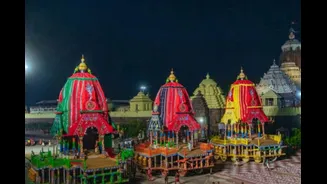
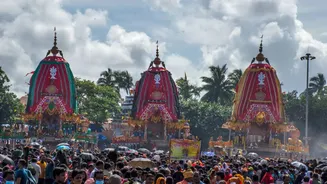
The construction of the three iconic chariots for the Puri Rath Yatra—Nandighosha for Lord Jagannath, Taladhwaja for Lord Balabhadra, and Darpadalana for Goddess Subhadra—begins annually on the auspicious day of Akshaya Tritiya. What’s astonishing is that
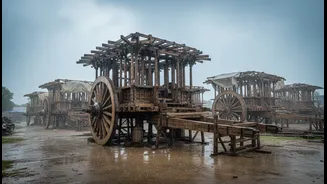
there are no architectural drawings, manuals, or modern measurement tools involved. The entire process is guided by hereditary knowledge passed down through generations of artisan families, primarily the 'Viswakarma' or 'Maharana' sevayats (servitors). This knowledge, preserved orally for centuries, dictates every dimension, from the height of the chariot to the diameter of its wheels. The measurements are taken using traditional units like 'haat' (hand size), a practice that has ensured the chariots remain identical year after year. This is the “engineering of faith” in action: a sacred trust in ancestral wisdom to create structures fit for the divine journey.
Wood That is Both Sacred and Strong
The durability of the chariots begins with the meticulous selection of wood. Specific types of timber, such as Phassi (Anogeissus acuminata) and Dhausa (Anogeissus latifolia), are chosen for their renowned strength and resilience. In total, more than 800 pieces of wood are required for the three chariots. The logs are traditionally sourced from the forests of former princely states like Dasapalla and Nayagarh and transported to Puri. This process is itself a ritual, starting months before construction. The selection isn't merely about technical properties; it is a sacred duty to find wood that is ritually pure and appropriate for the deities. The timber is consecrated before the first cut is made, imbuing the entire construction process with spiritual significance. This ensures that from the very beginning, the material is treated not just as a building component, but as a sacred element of the divine vehicle.
Ancient Joinery Over Modern Fasteners
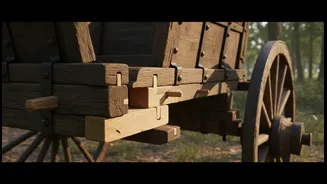
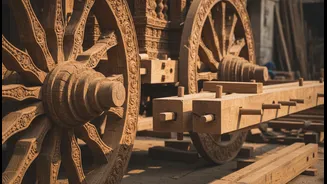
One of the most remarkable engineering aspects of the chariots is the near-complete absence of iron nails in their core structure. Instead of metal fasteners, the skilled carpenters employ ancient joinery techniques, such as mortise and tenon joints. These precisely carved wooden pegs and interlocking parts create a structure that is both incredibly strong and surprisingly flexible. This flexibility is crucial. As the chariot moves over uneven ground, pulled by thousands of devotees exerting uneven force, a rigid, nailed structure might splinter or break. The traditional joints, however, allow for minute movements, distributing the stress throughout the frame and absorbing shocks. While blacksmiths, or 'Ojha Maharanas', do prepare iron clamps and nails for certain parts, the primary assembly relies on this time-tested woodworking mastery.
The Wheels That Carry the Gods
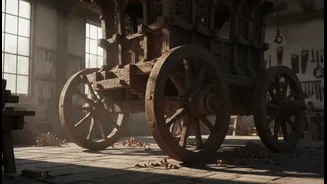
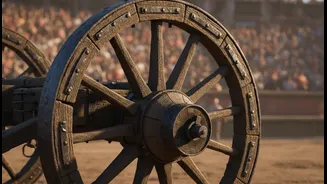
The massive wheels are an engineering marvel in themselves. Lord Jagannath's Nandighosha chariot has sixteen wheels, Balabhadra's Taladhwaja has fourteen, and Subhadra's Darpadalana has twelve, each about seven feet in diameter. Crafting these wheels requires immense precision. Made from durable Phassi wood, they must be perfectly round and balanced to support the chariot's immense weight and roll smoothly. The axles are carefully designed to support the massive structure while allowing the wheels to turn. In recent decades, some modern concessions have been made to enhance safety and efficiency, such as using railway jacks to help fit the wheels and reinforcing the traditional wooden braking systems. These brakes, operated by dozens of servitors, are crucial for controlling the momentum of the juggernauts as they navigate the grand avenue.