





The Unseen Issues in Your Sleep Space
That “new furniture smell” in your bedroom might seem harmless, but it’s often a sign of a process called off-gassing. Many modern furniture items, especially those made from pressed wood, particleboard, or synthetic fabrics, release Volatile Organic
Compounds (VOCs) into the air. Chemicals like formaldehyde, commonly found in resins and adhesives, can seep into your indoor environment. In a small, poorly ventilated bedroom, these chemicals can accumulate, potentially leading to headaches, irritation, and disrupting the restful atmosphere you need for good sleep. Compounding this is the constant battle with dust. Small rooms can often feel dustier because there is less air volume for particles to disperse. This dust isn't just dirt; it’s a mix of skin cells, fabric fibres, and allergens that can affect indoor air quality.
Can a Houseplant Really Clean the Air?
For decades, we’ve heard about plants being natural air purifiers, largely thanks to a famous 1989 NASA study. The study showed that, in a sealed lab environment, certain plants were effective at removing VOCs from the air. However, a home is not a sealed lab. While a single plant won't miraculously purify a whole room overnight, the science still supports their benefit. Plants absorb pollutants through their leaves and roots, and the microorganisms in the soil also help break down toxins. So, while they aren't a standalone solution, they are a powerful, natural tool. They contribute to a healthier environment not just by filtering some pollutants, but also by boosting mood, reducing stress, and adding a touch of calming nature to your personal space.
Top 5 Plants for Your Bedroom Sanctuary
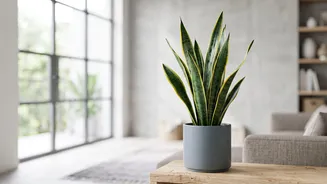
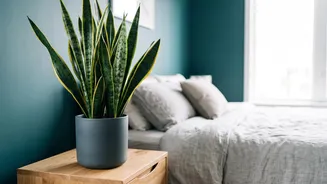
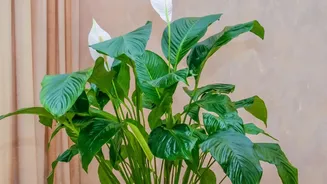
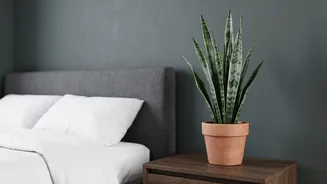
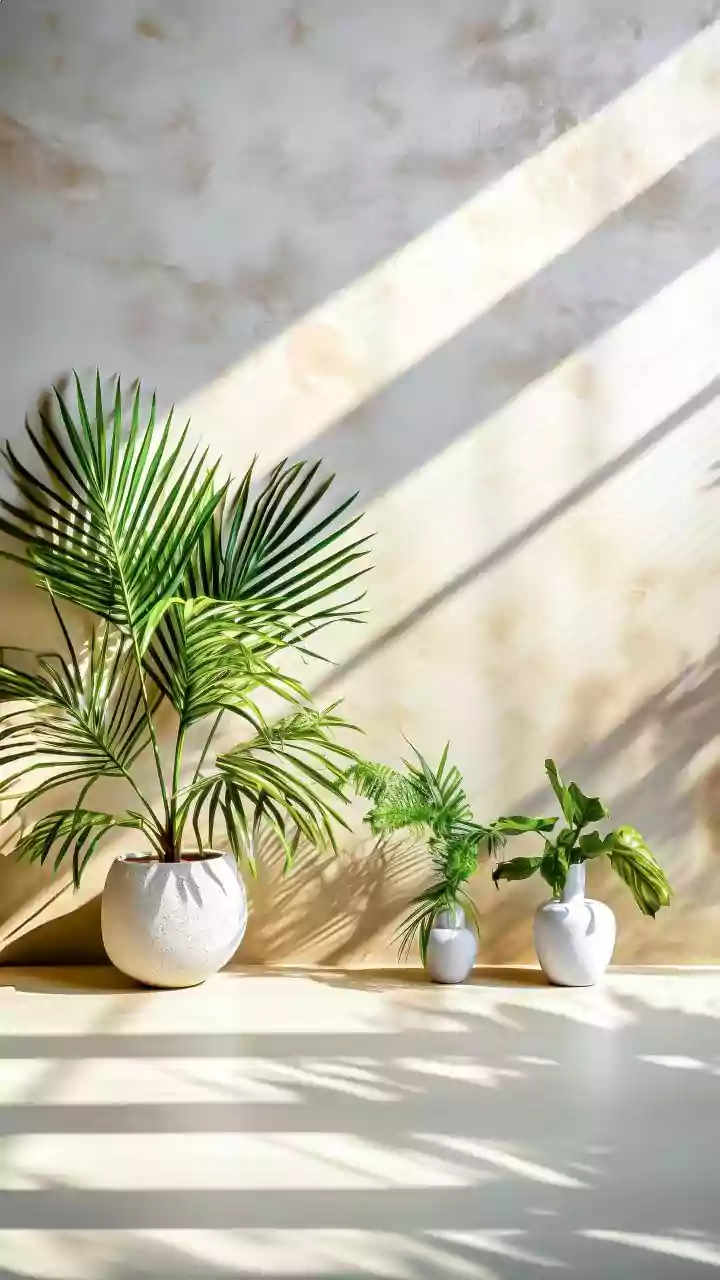
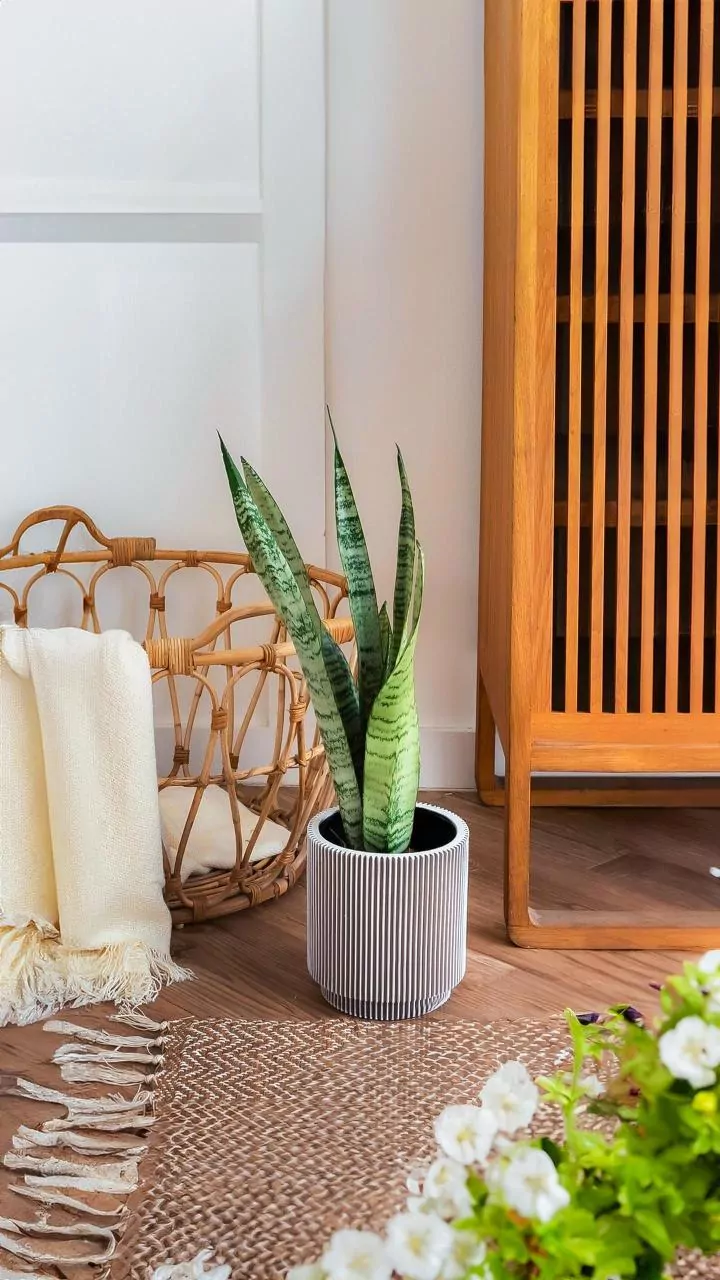
Choosing the right plant is key, especially for a bedroom which might have low light. Here are five low-maintenance options perfect for small spaces: 1. Snake Plant (Sansevieria trifasciata): Almost indestructible, this plant is a champion for bedrooms because it releases oxygen at night. It's excellent at filtering chemicals like benzene and formaldehyde and thrives on neglect and low light. 2. Spider Plant (Chlorophytum comosum): This is one of the easiest plants to grow and is known for being a powerful formaldehyde fighter. Its arching leaves look great in a hanging basket, saving precious floor space. 3. Golden Pothos (Epipremnum aureum): A trailing vine that is very tolerant of different light conditions. Pothos is great for removing a variety of indoor toxins and is incredibly easy to care for, making it perfect for beginners. 4. Peace Lily (Spathiphyllum): With its elegant white flowers, the Peace Lily not only looks beautiful but also helps remove ammonia, benzene, and formaldehyde. It prefers shady spots and will tell you when it's thirsty by drooping slightly. 5. Areca Palm (Chrysalidocarpus lutescens): If you have a bit more space, this pet-friendly palm adds a tropical feel while acting as a natural humidifier. It’s effective at cleaning the air and is relatively easy to grow indoors with bright, indirect light.
Beyond the Greenery: Other Ways to Breathe Easy
Plants are a fantastic part of the solution, but a few other habits can make a big difference in your bedroom’s air quality. Try to ventilate your room daily, even for just 10-15 minutes, to allow fresh air to circulate and flush out pollutants. When cleaning, use a damp microfibre cloth to trap dust instead of just moving it around. Washing your bedding weekly in hot water helps control dust mites and allergens. Finally, try to reduce clutter. Fewer items sitting around mean fewer surfaces for dust to collect on, making your sanctuary easier to keep clean and serene.