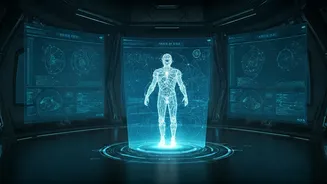




The Classroom of Tomorrow, Today
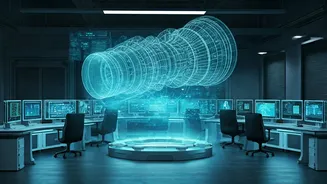
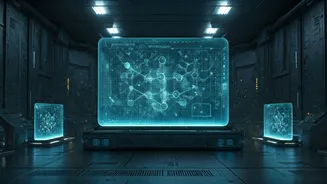
For decades, aspiring aerospace engineers and pilots learned from textbooks, 2D diagrams, and expensive, limited-access physical simulators. The classroom described in the headline represents a monumental shift. At its core, this new educational model
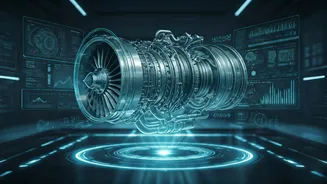
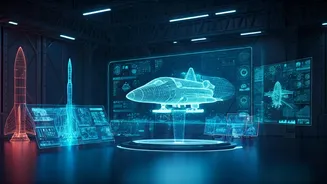
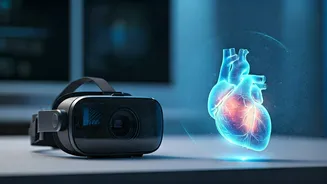
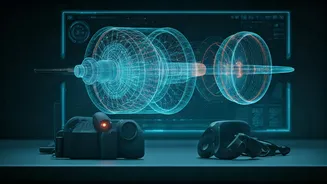
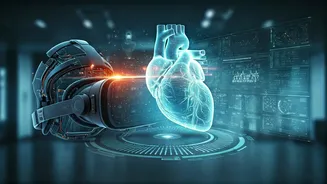
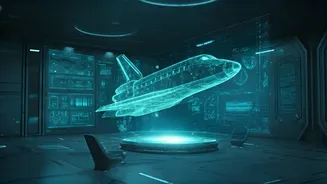
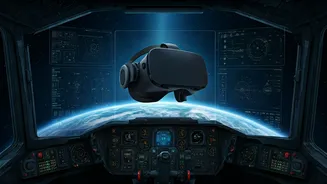
uses Virtual Reality (VR) and Augmented Reality (AR) headsets to immerse students in a completely digital, three-dimensional environment. Instead of just reading about a rocket engine, they can virtually 'walk' around it, disassemble it, and see how every component functions. They can sit in a virtual cockpit of a shuttle or a next-generation aircraft and experience the complexities of flight, from takeoff to landing, in a stunningly realistic simulation.
Where Safety is the Default Setting
Aerospace is an industry where mistakes have catastrophic consequences. Training has always been a delicate balance between providing realistic experience and ensuring absolute safety. Physical flight simulators are incredibly effective but also immensely expensive to build and maintain, limiting their availability. Virtual classrooms completely eliminate physical risk. A student can make a critical error during a simulated landing, experience the consequences in the virtual world, and learn from it without any real-world danger. This allows for unlimited trial and error. Trainees can practice emergency procedures—like engine failure or cabin depressurisation—over and over until the correct response becomes muscle memory. This 'safe-to-fail' environment accelerates learning and builds confidence in a way that theoretical study alone never could.
The 'AI' in the AI Classroom
This is where the technology becomes truly revolutionary. Without AI, a VR simulation is just a pre-programmed video game. With AI, it becomes a dynamic, intelligent, and personalized tutor. The AI acts as a virtual co-pilot or mission controller, adapting to the user's skill level in real time. If a student is struggling with a particular maneuver, the AI can provide instant feedback, highlight errors, and suggest corrections. It can generate an infinite number of unique scenarios, from navigating through unexpected space debris to dealing with unpredictable weather patterns, ensuring that no two training sessions are exactly alike. Furthermore, the AI can track a student's performance metrics—reaction times, decision-making processes, and procedural accuracy—to create a detailed profile of their strengths and weaknesses, allowing instructors to provide highly targeted guidance.
An Engine for India's STEM Ambitions
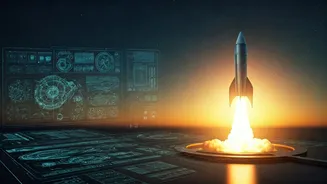
For a nation like India with a booming space program and a vast pool of young talent, this technology is not just a novelty; it's a strategic asset. Organizations like ISRO are pushing the boundaries of space exploration, and they require a world-class workforce to sustain that momentum. High-tech AI classrooms can democratize access to elite aerospace education. A university in a Tier-2 city could offer the same level of advanced flight simulation training as a premier institute in a metro. This technology can help bridge the gap between academic knowledge and industry requirements, preparing students for high-skill jobs in aerospace design, manufacturing, and operations. By making complex, expensive training more affordable and accessible, India can cultivate the next generation of scientists and engineers needed to power its future in the skies and beyond.