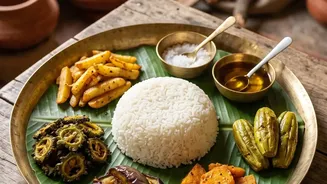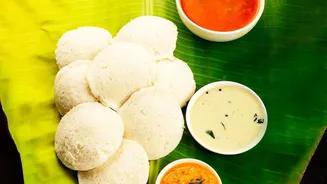




As temperatures drop, our cravings for hot, comforting meals grow. Indian winter kitchens have always known how to answer this call, using seasonal produce not just for warmth, but for nourishment. Here’s how to balance comfort with health.
Embrace Hearty Millets
Winter is the
perfect time to rotate heartier grains into your diet. Millets like bajra (pearl millet) and jowar (sorghum) are traditional winter staples for a reason. Bajra is known for its warming properties and is dense in nutrients like iron, protein, and magnesium. It provides sustained energy, keeping you feeling full and warm. Jowar is slightly lighter but still packed with fibre and essential minerals. Both are naturally gluten-free. Incorporating them is simple: swap your usual wheat rotis for bajra or jowar rotis a few times a week. A classic Rajasthani meal of bajra roti with a dollop of ghee and a piece of jaggery is the ultimate winter comfort food. You can also prepare a nutritious bajra khichdi with lentils and vegetables for a complete one-pot meal.
Lean on Seasonal Greens
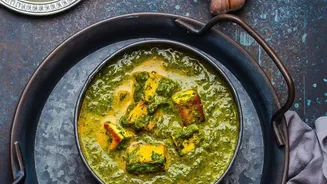
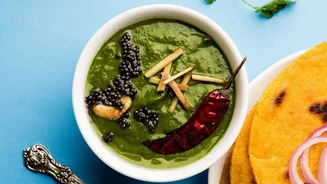
Winter markets are flooded with fresh, leafy greens. Sarson (mustard greens), methi (fenugreek), and palak (spinach) are at their nutritional peak during this season. Sarson ka saag, a Punjabi winter classic, is loaded with vitamins A, C, and K, which are crucial for boosting immunity and bone health. A 100-gram serving of mustard greens contains significant amounts of calcium and antioxidants that help the body fight off seasonal infections. Methi is another winter powerhouse, known for its ability to help manage inflammation and keep the body warm. Palak is an excellent source of iron and folate. Beyond the classic saag, you can add these greens to dals, stuff them into parathas, or make simple stir-fries (sabzis) to easily get your daily dose of green goodness.
Dig Into Root Vegetables
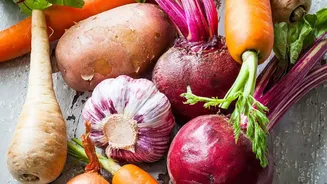
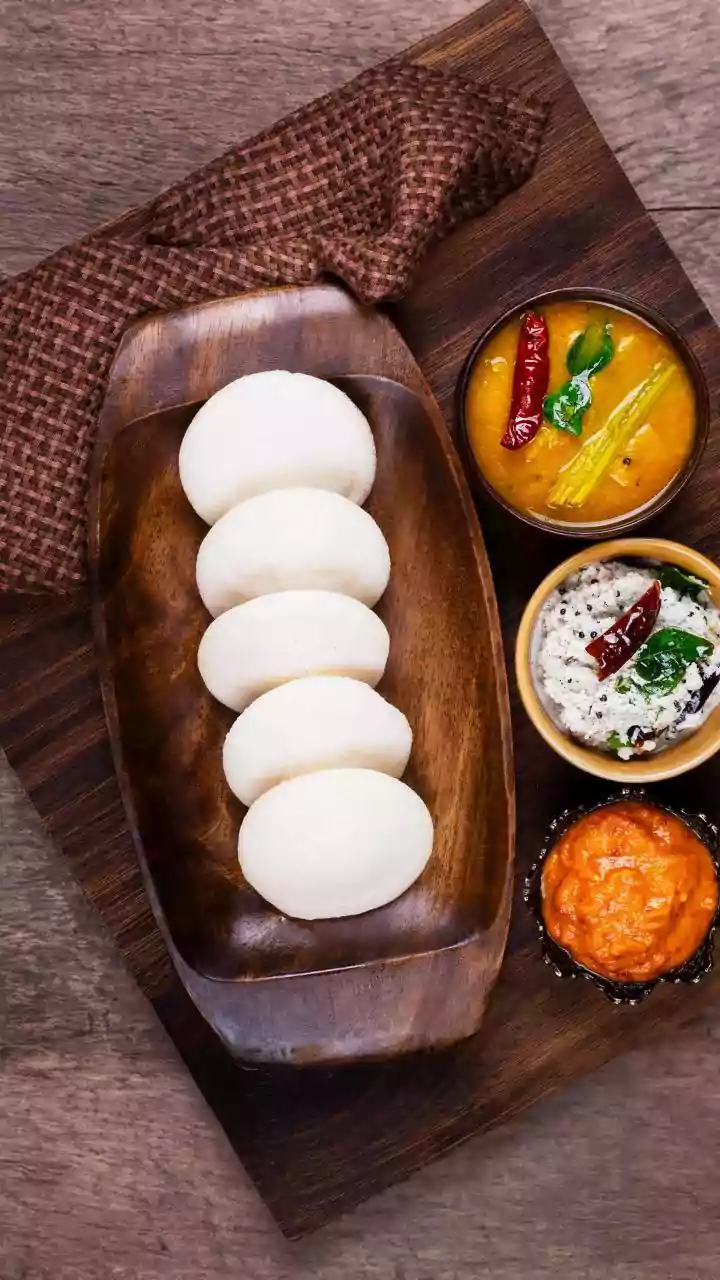
Root vegetables are nature’s gift for the winter. Carrots, radishes, sweet potatoes, and beetroots are abundant, flavourful, and incredibly versatile. They are grounding, hearty, and provide essential nutrients to get through the cold months. Red 'Delhi' carrots, available only in winter, are packed with Vitamin A and perfect for making the beloved gajar ka halwa. Sweet potatoes are a fantastic source of fibre and complex carbohydrates. Beetroot is rich in antioxidants and iron, which help maintain energy levels. You can roast a medley of root vegetables with simple spices, add them to curries and soups like sambar, or make classic dishes like beetroot thoran or carrot poriyal.
Find Sweetness in Jaggery
When you crave something sweet in winter, turn to jaggery (gur). This unrefined sugar is a traditional winter sweetener for good reason. Unlike refined sugar, jaggery retains minerals like iron, magnesium, and potassium. It is known to be a source of energy and is often consumed after meals to aid digestion. Traditional Ayurvedic practices consider jaggery to have warming properties, which is why it's a key ingredient in winter sweets like til gud ladoo (sesame-jaggery balls) and chikki (a brittle made with nuts and jaggery). Simply replacing white sugar with jaggery in your tea or desserts is an easy switch. A small piece of jaggery with ghee after dinner is a classic combination that is said to boost metabolism and combat winter dryness.
Harness the Power of Spices
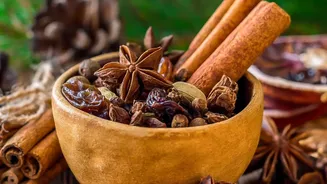
Indian cooking is synonymous with spices, and in winter, they become even more important. Spices do more than just add flavour; many have properties that help keep the body warm and boost immunity. Ginger is excellent for digestion and soothing a sore throat, making ginger tea a winter essential. Turmeric is a powerful anti_inflammatory and antioxidant; a cup of warm 'haldi doodh' (turmeric milk) before bed is a timeless remedy for fighting off colds. Other spices like cinnamon, cloves, and black pepper are also considered warming and are great additions to teas, soups, and curries. Black pepper, in particular, is known to help clear congestion and improve the absorption of nutrients from other foods.