


From Picture-Perfect to People-First
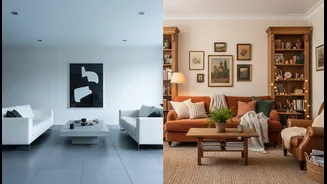
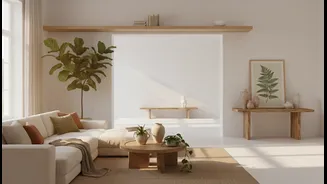
Remember the perfectly staged, minimalist meditation corner that graced every influencer’s feed? Or the single, pristine monstera leaf in a sleek vase? This was the era of ‘performative wellness,’ where design was often more about creating a photo opportunity
than fostering genuine well-being. Designers note that homes built primarily for social media are quickly falling out of favour. The focus on perfectly curated, camera-ready rooms meant function often took a backseat to form, resulting in spaces that didn't serve the people living in them. This approach, driven by fast-moving online trends, often led to impulse buys and decor that felt dated within months, leaving homeowners with a sense of regret.
The New Era: Wellness You Can Feel
Today, the conversation around wellness design has evolved. Clients are no longer just asking for homes that look good; they want homes that feel good. The focus is shifting from aesthetics to atmosphere, with a demand for spaces that help regulate the nervous system and offer a real sanctuary from the stresses of modern life. This new, more practical approach considers how a space is experienced on a physiological level. Instead of being an add-on like a sauna or a dedicated gym, wellness is now a foundational consideration that influences every part of the design process, from the initial layout to the final finishes.
Introducing 'Invisible' Wellness
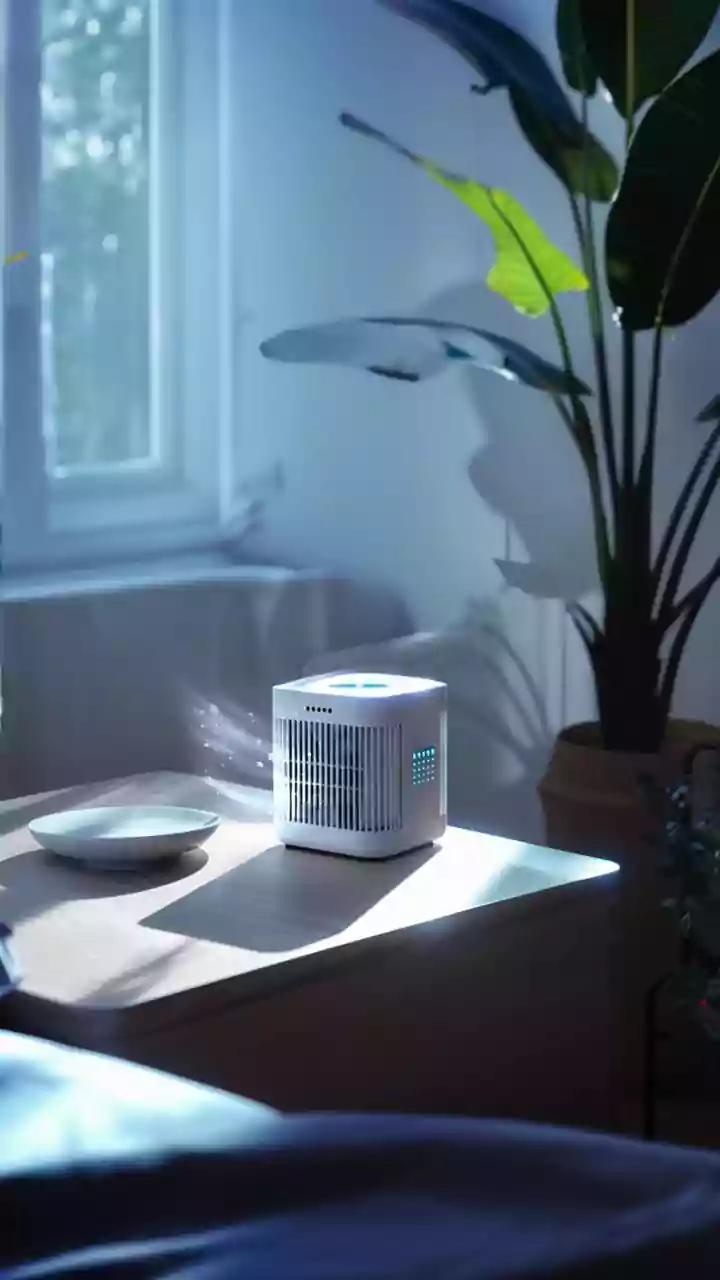
Much of this new wave of wellness design is practically invisible. It’s less about statement pieces and more about integrated systems that work behind the scenes. Think of it as wellness that is built into the very architecture of your home. This includes things like circadian rhythm lighting systems, which adjust throughout the day to support your natural sleep-wake cycle. It also involves a focus on cleaner air through better filtration and the use of low-VOC (volatile organic compound) paints and materials. Even acoustics play a role, with designers using materials that absorb sound to create a quieter, more calming environment. These elements aren't necessarily 'grammable,' but they have a profound daily impact.
Biophilia: Beyond the Single Potted Plant
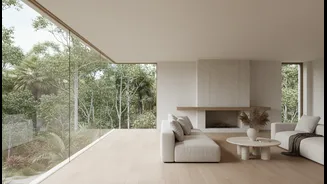
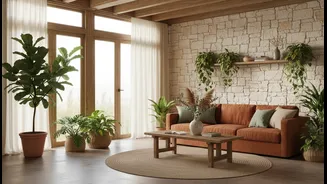
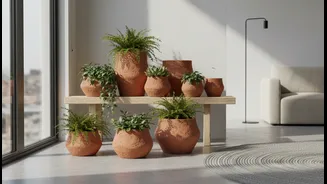
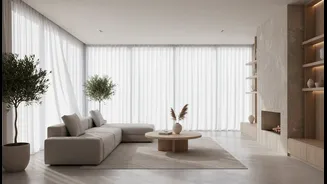
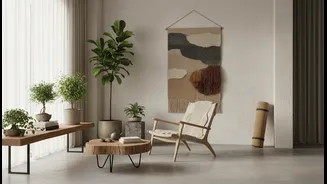
The love for plants in our homes is nothing new, but the approach is becoming more intentional and immersive. True biophilic design goes beyond just placing a plant in a corner for looks. It’s about creating a more seamless connection to nature. This means maximizing natural light with large windows and sheer curtains, using natural materials like wood, stone, and linen to add texture, and grouping plants to create a more natural, ecosystem-like feel. The goal is to mimic the restorative effects of being in nature, which studies show can reduce stress and improve concentration. This can be as simple as arranging furniture to face a window or using scents and sounds that evoke the natural world.
Making Your Home a Functional Sanctuary
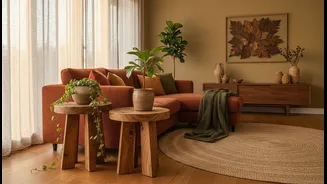
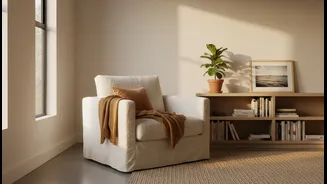
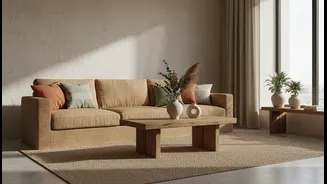
Adopting this practical wellness approach doesn't require a complete renovation. It’s about making intentional choices that support your daily life. Instead of aiming for a TV-centric living room, consider a 'conversation-first' layout where furniture faces inward to encourage connection. Rather than a formal, unused wellness room, create smaller, functional 'pause points'—a comfortable reading chair in a quiet corner or a small area for stretching. Pay attention to textures that feel good to the touch and choose furniture with softer, curved lines to create a more welcoming and relaxed flow. The ultimate goal is to design for your own unique rhythms and sensory needs, creating a home that is a true reflection of you, not just a passing trend.